

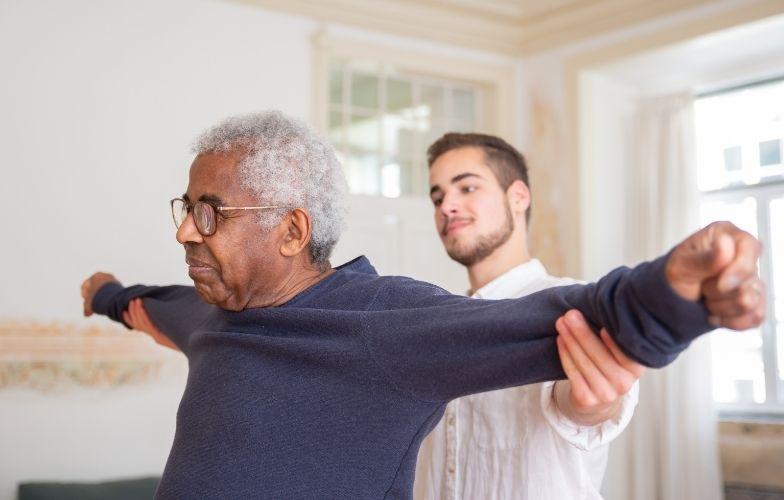
Building and maintaining meaningful connections is essential at every stage of life, but it becomes especially important as we age. Senior relationships play a vital role in emotional health, cognitive function, and overall well-being. Whether it’s nurturing long-standing friendships, strengthening family ties, or forming new bonds, prioritizing social wellness can lead to a more fulfilling and active lifestyle.
This article explores practical strategies for enhancing connections, overcoming common challenges, and fostering a supportive social environment for older adults. Along the way, you’ll find actionable advice, helpful resources, and tools to support healthy interactions and a vibrant community.
Staying socially active can also open doors to new opportunities for growth and enrichment. For example, exploring senior volunteering is a wonderful way to give back, meet new people, and stay engaged in the community.
Why Social Wellness Matters in Later Life
Social wellness refers to the quality of our interactions and relationships, as well as our sense of belonging within a community. For older adults, maintaining strong connections can help combat loneliness, reduce stress, and even lower the risk of cognitive decline. Studies consistently show that seniors with robust social networks enjoy better physical and mental health outcomes.
Some of the key benefits of prioritizing social wellness include:
- Emotional support during life transitions or health challenges
- Opportunities for shared activities and lifelong learning
- Improved self-esteem and sense of purpose
- Reduced risk of depression and anxiety
- Enhanced motivation to stay physically active and engaged
Building and Maintaining Meaningful Connections
Forming and sustaining senior relationships often requires intentional effort, especially as life circumstances change. Here are some practical steps to help strengthen bonds and create new friendships:
Stay Connected With Family and Friends
Regular communication is the foundation of any strong relationship. Schedule weekly calls, video chats, or in-person visits with loved ones. Even short messages or emails can help bridge the distance and show you care.
Join Community Groups and Activities
Participating in clubs, classes, or interest groups is a great way to meet like-minded individuals. Many communities offer programs specifically designed for older adults, such as book clubs, gardening groups, or exercise classes. You might also enjoy exploring senior learning opportunities to expand your skills while connecting with peers.
Volunteer and Give Back
Volunteering not only benefits others but also provides a sense of accomplishment and belonging. Local charities, hospitals, and schools often welcome the experience and wisdom that seniors bring. Consider looking for opportunities that align with your interests or expertise.

Overcoming Common Challenges in Senior Relationships
While maintaining social ties is rewarding, it can also present unique challenges for older adults. Mobility issues, health concerns, and changes in living arrangements may impact the ability to connect with others. Here are some strategies to address these obstacles:
Addressing Mobility and Accessibility
Limited mobility can make it harder to attend events or visit friends. Consider using technology to stay in touch, such as video calls or online forums. Adaptive devices and home modifications can also make it easier to participate in activities. For more ideas on staying active, check out these ways to increase mobility for seniors.
Managing Health-Related Barriers
Chronic conditions or sensory changes may affect communication and participation. Be open with friends and family about your needs, and don’t hesitate to ask for support. Many organizations offer transportation, home visits, or accessible programming for those with health limitations.

Adapting to Life Transitions
Retirement, relocation, or the loss of loved ones can disrupt established routines and support systems. It’s important to seek out new social opportunities and remain open to forming new connections. Local community centers, faith groups, and senior organizations can be valuable resources during times of change.
Practical Tools and Resources for Social Engagement
There are many ways to stay socially active and nurture senior relationships:
- Technology: Use smartphones, tablets, or computers to connect with friends and family through video calls, social media, or messaging apps.
- Community programs: Look for local events, workshops, or classes tailored to older adults. These can include fitness sessions, art classes, or senior entertainment activities.
- Support groups: Join groups focused on shared experiences, such as caregiving, bereavement, or specific health conditions.
- Transportation services: Many communities offer rides for seniors to help them attend social events, medical appointments, or shopping trips.
Taking advantage of these resources can help maintain independence and foster a sense of community.
Tips for Nurturing Lasting Bonds
Building strong, lasting relationships requires ongoing attention and care. Here are some suggestions for deepening your connections:
- Practice active listening: Show genuine interest in others’ stories and experiences.
- Express appreciation: A simple thank you or kind gesture can go a long way in strengthening bonds.
- Be open to new experiences: Trying new activities together can create shared memories and deepen friendships.
- Offer help and support: Being there for others in times of need builds trust and mutual respect.
- Respect boundaries: Everyone has different comfort levels and needs; honoring these differences is key to healthy relationships.
Frequently Asked Questions
How can older adults make new friends?
Joining clubs, attending community events, volunteering, or enrolling in classes are excellent ways to meet new people. Using technology to connect with others who share similar interests can also help expand your social circle.
What are some ways to maintain long-distance relationships as a senior?
Regular phone calls, video chats, emails, and sending letters or cards are all effective methods. Scheduling virtual activities, such as watching a movie together online or playing games, can also keep connections strong despite the distance.
Why is social wellness important for seniors?
Social wellness supports emotional health, reduces feelings of isolation, and can even improve physical health. It encourages engagement, provides a sense of purpose, and helps maintain cognitive abilities.
Are there resources for seniors looking to stay engaged and active?
Yes, many communities offer programs and resources tailored to older adults. Exploring senior education opportunities, joining local clubs, or participating in volunteer work are all excellent options.
Investing in senior relationships and social wellness is a lifelong journey. By staying proactive, open to new experiences, and using available resources, older adults can enjoy richer, more rewarding connections and a greater sense of belonging.