

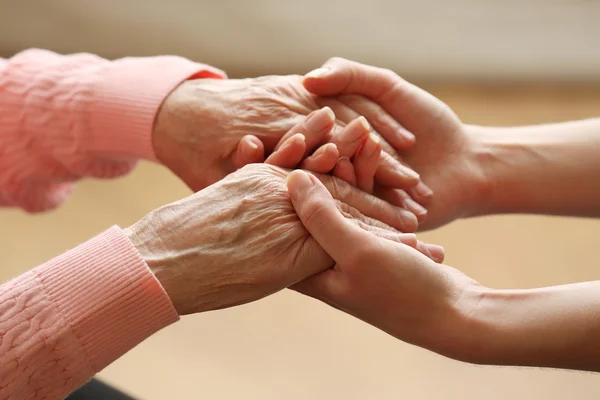
Finding effective ways to unwind and reduce stress is essential for older adults seeking a more peaceful and enjoyable daily life. As we age, the body and mind can become more sensitive to stressors, making senior relaxation strategies increasingly important for overall well-being. Incorporating calming routines, gentle activities, and supportive environments can help seniors foster tranquility and maintain a positive outlook.
This guide explores practical methods to support relaxation, from simple breathing exercises to creating a soothing home atmosphere. By focusing on comfort, gentle movement, and mindful routines, seniors and caregivers can discover new ways to promote serenity and manage daily pressures. For those interested in enhancing comfort further, exploring senior comfort solutions can be a valuable next step.
Why Relaxation Matters for Older Adults
Stress can take a toll on anyone, but its effects are often more pronounced in later years. Chronic tension may contribute to sleep disturbances, high blood pressure, and a weakened immune system. Prioritizing relaxation for seniors helps counteract these risks, supporting both mental and physical health.
Regular relaxation routines can also improve mood, enhance focus, and foster a sense of control. For caregivers, encouraging peaceful moments is a meaningful way to support loved ones’ independence and happiness.
Simple Techniques for Everyday Calm
There are many accessible ways to incorporate stress relief into daily routines. The following techniques are gentle, require little or no equipment, and can be adapted to suit individual preferences and abilities.
Breathing Exercises and Mindfulness
Deep breathing is a cornerstone of senior relaxation. Slow, intentional breaths help calm the nervous system and reduce anxiety. Try this simple exercise:
- Sit comfortably with feet flat on the floor.
- Inhale slowly through the nose for a count of four.
- Hold the breath for a count of four.
- Exhale gently through the mouth for a count of six.
- Repeat for several cycles, focusing on the rhythm of the breath.
Mindfulness practices, such as paying attention to sensations or listening to calming music, can also help seniors stay present and reduce racing thoughts.
Gentle Movement and Stretching
Light physical activity is beneficial for both body and mind. Chair yoga, tai chi, or simple stretching routines can ease muscle tension and promote relaxation. Even a short walk outdoors, if possible, provides fresh air and a change of scenery.
For those with mobility challenges, adaptive exercises can be explored. The caregiver guide to mobility problems offers practical advice on safe movement and support.
Creating a Peaceful Home Environment
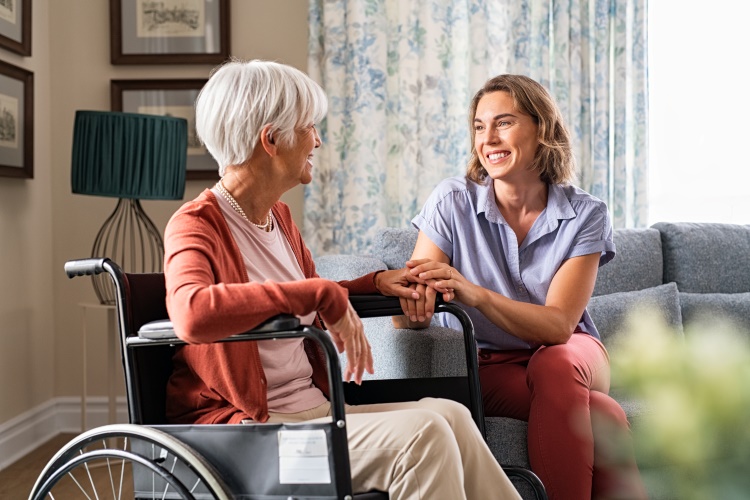
The atmosphere at home plays a significant role in promoting calm. Consider these tips for a more serene living space:
- Keep rooms tidy and free of clutter to reduce visual stress.
- Use soft lighting, such as motion sensor night lights, to create a gentle ambiance.
- Incorporate comforting textures, like plush blankets or supportive cushions.
- Play soothing background music or nature sounds.
- Maintain a comfortable temperature and good air quality.
Small adjustments can make a big difference in how relaxing a space feels. For more ideas on supportive products, see the latest senior daily living aids that can enhance comfort and safety.
Social Connections and Emotional Well-Being
Staying connected with others is a vital aspect of relaxation and peace of mind. Regular conversations with friends, family, or community groups help reduce feelings of isolation and provide emotional support.
Seniors can benefit from joining clubs, attending local events, or participating in online gatherings tailored to their interests. Even brief daily check-ins can lift spirits and foster a sense of belonging.
Nutrition, Hydration, and Rest
Physical well-being is closely linked to mental calm. Eating balanced meals, staying hydrated, and getting adequate sleep all contribute to a more relaxed state. Nutritious foods support brain health and energy levels, while proper hydration helps prevent fatigue and irritability.
For guidance on healthy eating habits, explore these senior nutrition tips designed to promote wellness and vitality.
Tools and Products That Support Relaxation
Certain aids and devices can make it easier to maintain a peaceful routine. Items like night lights, bed exit alarms, and comfortable clothing can reduce anxiety and support independence. For example, a motion sensor night light can help prevent falls during nighttime trips, while a bed exit alarm can alert caregivers if assistance is needed.
Choosing the right products depends on individual needs. For more on practical solutions, review the latest senior fashion options for comfort and confidence, or browse senior hygiene essentials for a clean, safe environment.
Encouraging Consistency and Routine
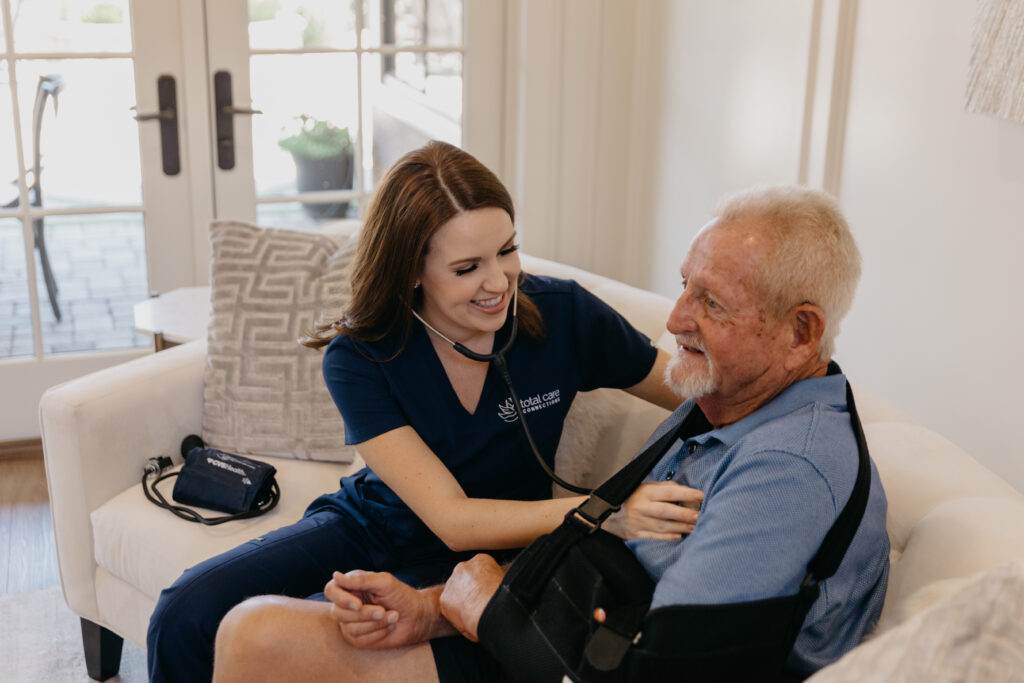
Establishing a daily routine that includes time for relaxation helps seniors manage stress more effectively. Consistency can be comforting, especially for those who thrive on structure. Try scheduling regular moments for quiet reflection, gentle movement, or enjoyable hobbies.
Caregivers and family members can support these routines by offering reminders, participating in activities, or simply providing encouragement. Over time, these habits can lead to lasting improvements in mood and quality of life.
Frequently Asked Questions
What are the best relaxation techniques for seniors with limited mobility?
Seniors with mobility challenges can benefit from seated breathing exercises, guided imagery, listening to calming music, and gentle upper-body stretches. Adaptive yoga or meditation apps designed for older adults are also helpful. For more support, consult resources like the caregiver guide to mobility problems.
How can caregivers help seniors relax at home?
Caregivers can create a peaceful environment by minimizing noise, providing comfortable seating, and ensuring good lighting. Encouraging routines, offering companionship, and introducing relaxing activities such as puzzles or crafts can also make a positive difference.
Are there products that make relaxation easier for older adults?
Yes, products like motion sensor night lights, bed exit alarms, and supportive cushions can enhance comfort and reduce anxiety. These aids help seniors feel safer and more independent, especially during nighttime or when moving around the home.
Conclusion
Supporting senior relaxation is a key part of healthy aging. By combining simple techniques, a calming environment, and supportive products, older adults can enjoy greater peace and resilience. Whether living independently or with assistance, making time for relaxation each day can have lasting benefits for both mind and body.