

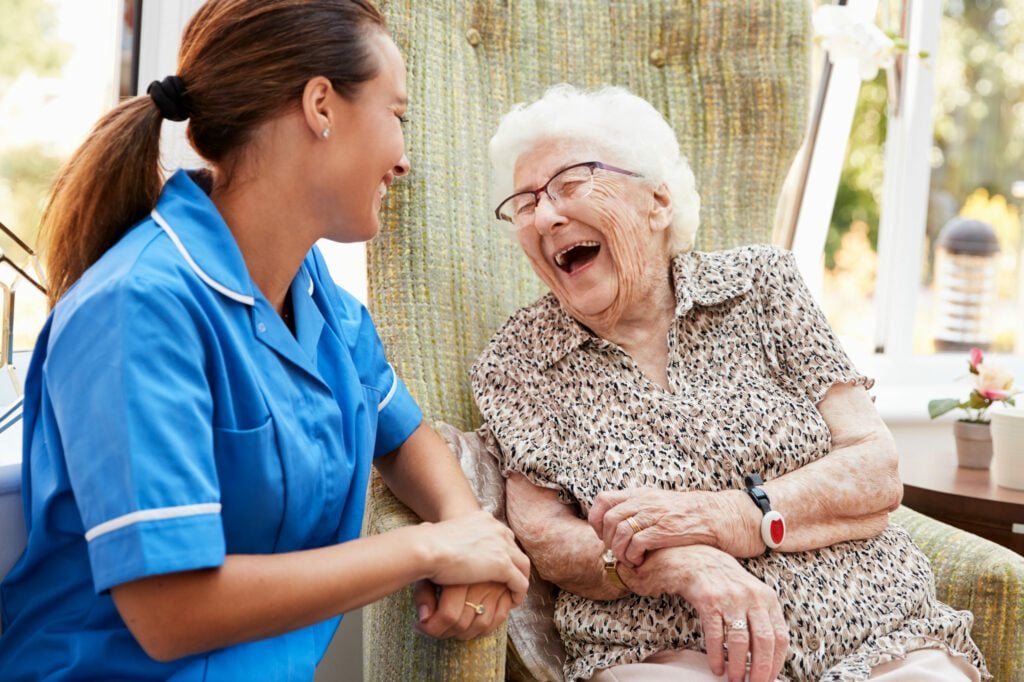
Creating a safe and comfortable environment is essential for older adults who wish to maintain their independence and well-being at home. As people age, certain risks—such as falls, medication errors, and household hazards—can become more pronounced. By taking proactive steps, families and caregivers can help ensure that seniors live securely and confidently in their own homes. This guide offers practical advice, product suggestions, and expert-backed strategies to enhance senior safety and support a healthy, independent lifestyle.
For additional insights on maintaining comfort and independence, explore our senior living resource, which covers a wide range of topics relevant to older adults.
Identifying Common Hazards in the Home
The first step in improving senior safety is to assess the living space for potential dangers. Many accidents can be prevented by recognizing and addressing common risks found in various areas of the home.
- Slippery floors: Bathrooms and kitchens are frequent sites for slips. Use non-slip mats and promptly clean up spills.
- Poor lighting: Dim hallways and staircases can lead to falls. Install bright, energy-efficient bulbs and consider night lights for added visibility.
- Clutter and loose rugs: Remove obstacles from walkways and secure or eliminate throw rugs that could cause tripping.
- Unstable furniture: Ensure chairs and tables are sturdy. Anchor bookshelves and heavy items to the wall.
- Hard-to-reach items: Store frequently used objects within easy reach to avoid unnecessary stretching or climbing.
Practical Steps for Enhancing Senior Safety
Once hazards are identified, practical modifications can make a significant difference in reducing risks and promoting confidence for older adults at home.
- Install grab bars and handrails: Place these in bathrooms, near toilets, and along stairways to provide extra support.
- Improve lighting: Use motion sensor night lights in bedrooms, hallways, and bathrooms to ensure safe navigation at night.
- Use bed exit alarms: These devices alert caregivers if a senior leaves the bed unexpectedly, reducing the risk of nighttime falls.
- Organize medication: Utilize pill organizers and set reminders to prevent missed or double doses.
- Remove tripping hazards: Keep floors clear, tape down cords, and avoid clutter in high-traffic areas.

Promoting Mobility and Preventing Falls
Maintaining mobility is crucial for both safety and independence. Simple changes and the right support can help prevent falls, which are a leading cause of injury among older adults.
- Regular exercise: Gentle activities like walking, stretching, or balance exercises can strengthen muscles and improve coordination.
- Physical therapy: Working with a professional, such as those at senior mobility physiotherapy clinics, can address specific mobility challenges and reduce fall risk.
- Proper footwear: Encourage the use of shoes with non-slip soles and good support, avoiding slippers or socks on smooth floors.
- Clear pathways: Arrange furniture to allow for easy movement and ensure all areas are well-lit.
Technology and Tools for a Safer Home
Modern technology offers a range of solutions designed to enhance senior safety at home. These tools can provide peace of mind for both seniors and their families.
- Medical alert systems: Wearable devices allow seniors to call for help in an emergency with the press of a button.
- Smart home devices: Voice-activated assistants can control lights, thermostats, and even call contacts hands-free.
- Video doorbells and security cameras: These can help monitor visitors and provide added security.
- Automatic pill dispensers: These devices help manage complex medication schedules and reduce errors.
For a comprehensive overview of health strategies for older adults, visit our senior health guide.

Supporting Emotional Well-Being and Social Connection
A secure home is not just about physical safety—it also involves emotional support and social engagement. Isolation can negatively impact health, so fostering connections is vital.
- Encourage regular visits: Family, friends, and neighbors can provide companionship and check on well-being.
- Promote community involvement: Local senior centers, clubs, or religious organizations offer opportunities for socialization.
- Leverage technology: Video calls and social media help maintain relationships, especially for those with mobility limitations.
- Consider professional support: In-home caregivers can assist with daily tasks and provide valuable interaction.
For more solutions on dignified aging and supportive care, see our elderly care article.
Adapting to Changing Needs Over Time
As circumstances evolve, so do the requirements for a safe and supportive living environment. Regularly reassess the home and adapt strategies as needed:
- Schedule periodic safety checks: Review the home for new hazards or areas needing improvement.
- Update equipment and technology: Replace worn-out devices and stay informed about new safety tools.
- Consult with professionals: Occupational therapists and home safety experts can provide personalized recommendations.
- Stay informed: Keep up with trends and research on the aging population to anticipate future needs.
Frequently Asked Questions
What are the most important steps to prevent falls for seniors at home?
The most effective measures include installing grab bars and handrails, using non-slip mats, improving lighting, removing tripping hazards, and encouraging regular exercise to maintain strength and balance.
How can technology help keep older adults safe in their homes?
Devices such as medical alert systems, smart home assistants, video doorbells, and automatic pill dispensers can enhance safety, provide reminders, and enable quick access to help in emergencies.
How often should a home safety assessment be done for an elderly person?
It’s recommended to conduct a thorough safety review at least once a year, or whenever there are significant changes in health or mobility. Regular checks help ensure that the environment continues to meet evolving needs.