

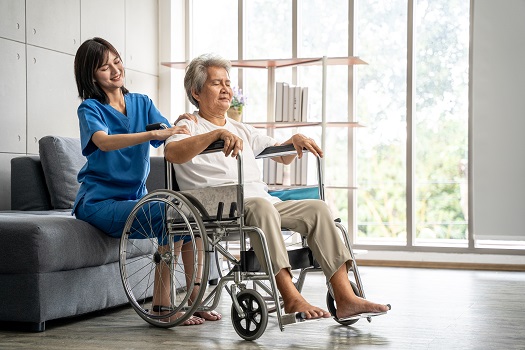
Supporting senior wellness is essential for promoting a vibrant, independent lifestyle as we age. With the right approaches, older adults can maintain their health, mobility, and social connections, leading to a greater sense of purpose and fulfillment. This article explores practical strategies that empower older adults to thrive physically, mentally, and emotionally, while also addressing safety and daily living needs.
For those interested in additional resources on creating a safe and comfortable environment, the senior living guide offers further insights into fostering independence and well-being at home.
Physical Activity: The Cornerstone of Senior Wellness
Staying physically active is one of the most effective ways to support overall health in later years. Regular movement helps maintain strength, balance, and flexibility, reducing the risk of falls and chronic disease. Activities such as walking, swimming, yoga, or gentle stretching can be adapted to suit different fitness levels and mobility needs.
- Strength training helps preserve muscle mass and bone density.
- Balance exercises reduce fall risk and improve confidence.
- Cardiovascular activities like brisk walking or cycling support heart health.
- Flexibility routines, such as stretching or tai chi, keep joints limber.
For those managing mobility challenges, consulting a physical therapist or using adaptive equipment can make exercise more accessible. The caregiver guide for mobility problems provides practical tips for overcoming common barriers and staying active safely.
Nutrition and Hydration for Healthy Aging
A balanced diet is fundamental for maintaining energy, supporting immune function, and managing chronic conditions. Older adults should focus on nutrient-dense foods, including:
- Lean proteins (fish, poultry, beans, tofu)
- Whole grains (brown rice, oats, whole wheat bread)
- Fresh fruits and vegetables of various colors
- Low-fat dairy or fortified alternatives
- Healthy fats from nuts, seeds, and olive oil
Staying hydrated is equally important, as the sensation of thirst may decrease with age. Encourage regular water intake and limit sugary drinks or excessive caffeine. For those with dietary restrictions or medical conditions, a registered dietitian can provide personalized guidance.
Promoting Safety and Independence at Home
Creating a safe living environment is a key aspect of senior wellness. Simple modifications can prevent accidents and support independent living:
- Install grab bars in bathrooms and non-slip mats in showers.
- Ensure adequate lighting in hallways and staircases.
- Remove tripping hazards like loose rugs or clutter.
- Use assistive devices such as canes, walkers, or raised toilet seats as needed.
For more comprehensive solutions, the elderly care resource covers a range of supportive products and services that enhance safety and dignity for older adults.

Mental and Emotional Well-Being for Older Adults
Emotional health is just as important as physical health for a fulfilling life. Staying engaged, connected, and mentally stimulated can help prevent loneliness and cognitive decline. Consider these approaches:
- Participate in community groups, clubs, or volunteer opportunities.
- Stay in touch with family and friends through regular calls or visits.
- Engage in hobbies like reading, gardening, or art.
- Practice mindfulness, meditation, or relaxation techniques.
- Seek support from counselors or therapists if feeling isolated or anxious.
Cognitive activities such as puzzles, games, or learning new skills can also support brain health. For more on long-term well-being, the senior health guide offers additional advice on maintaining mental sharpness and emotional balance.
Preventive Care and Regular Health Screenings
Routine check-ups and screenings are vital for early detection and management of health issues. Older adults should work with their healthcare providers to stay current on:
- Annual physical exams
- Vision and hearing tests
- Blood pressure and cholesterol checks
- Diabetes and bone density screenings
- Vaccinations (flu, pneumonia, shingles, COVID-19)
Managing medications, keeping an up-to-date list, and reviewing them regularly with a pharmacist or doctor can prevent adverse interactions and side effects. Open communication with healthcare professionals ensures that care plans remain aligned with changing needs.

Staying Informed About Aging Trends and Resources
As the aging population grows, new resources and innovations continue to emerge to support older adults. Staying informed about community programs, technology, and policy changes can help individuals and families make proactive decisions. For a broader perspective on demographic shifts and their impact on care, the aging population article provides valuable context.
Leveraging local senior centers, online forums, and reputable health organizations can also connect individuals with up-to-date information and support networks.
FAQs About Senior Wellness and Healthy Aging
What are the most important habits for maintaining wellness in later life?
Key habits include regular physical activity, balanced nutrition, staying socially connected, managing chronic conditions, and keeping up with preventive healthcare. Prioritizing safety at home and engaging in mentally stimulating activities also contribute to a higher quality of life.
How can older adults stay safe and independent at home?
Home safety can be improved by removing tripping hazards, installing grab bars and night lights, and using assistive devices when needed. Technology such as motion sensor lights and bed exit alarms can provide additional peace of mind for both seniors and caregivers.
Why is social engagement important for senior health?
Social interaction helps prevent loneliness and depression, supports cognitive function, and encourages a sense of belonging. Participating in group activities, volunteering, or simply staying in touch with loved ones can have significant benefits for emotional and mental well-being.
Where can I find more information on products and solutions for seniors?
Reliable information can be found through healthcare providers, community organizations, and specialized online resources. Exploring guides on senior living and elderly care can help identify products and strategies tailored to individual needs.
By embracing these practical approaches to senior wellness, older adults and their families can foster a healthier, more active, and fulfilling journey through the aging process.