

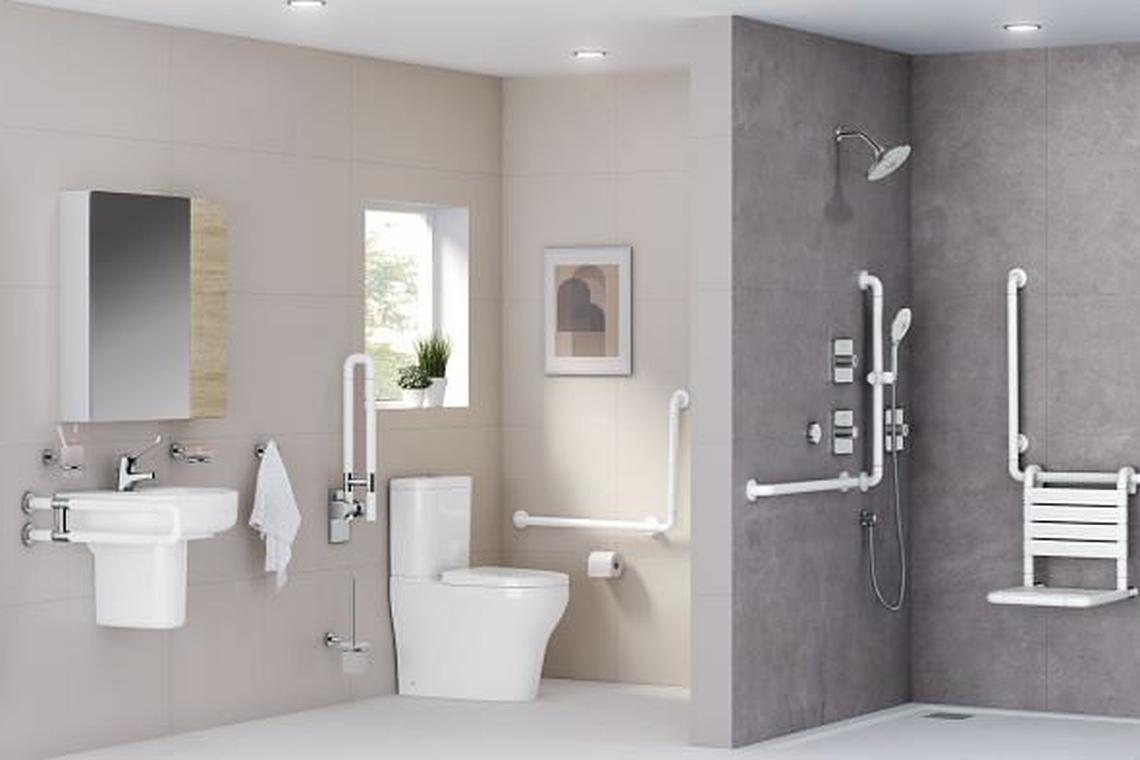
In today’s world, ensuring safety in every corner of our homes is paramount, especially when it comes to bathrooms. The importance of slip-resistant bathroom flooring cannot be overstated, particularly for senior citizens who are at a higher risk of falls. This article delves into the essential aspects of choosing the right flooring to prevent accidents and maintain a secure environment.
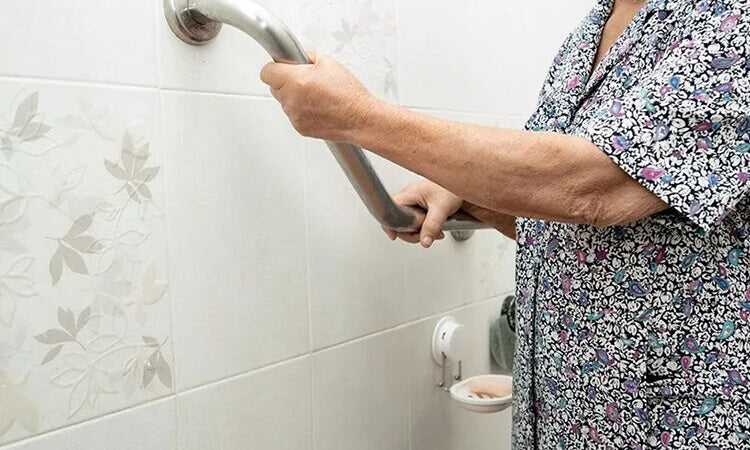
Why is Slip-Resistance Crucial?
Accidents in the bathroom are more common than you might think. Slippery floors can lead to severe injuries, especially for seniors. Hence, incorporating slip-resistant bathroom flooring is a step towards making bathrooms safer for everyone.
According to the American Home Shield, bathrooms pose significant risks, and implementing safety measures like non-slip floors is crucial in mitigating these risks.
Types of Slip-Resistant Flooring
1. Vinyl Flooring
Vinyl is a popular choice due to its water-resistant properties and ease of maintenance. It offers a textured surface that enhances grip, reducing the chances of slipping.
2. Rubber Flooring
Known for its excellent traction, rubber flooring is durable and provides a cushioned surface, making it an ideal option for bathrooms used by seniors.
3. Textured Tiles
Textured tiles come in various patterns and designs, which not only add an aesthetic appeal but also improve safety by providing a firmer grip.
Installation Tips
Proper installation plays a significant role in maximizing the effectiveness of slip-resistant flooring. Ensure that the flooring is installed evenly and securely to prevent any loose edges that could cause trips.
Subfloor Preparation
A well-prepared subfloor ensures stability and longevity of your flooring. Make sure the subfloor is clean, dry, and level before installation.
Professional Installation
While DIY projects can be rewarding, professional installation guarantees a higher standard of safety and durability for your slip-resistant bathroom flooring.
Maintenance and Care
Maintaining your flooring is crucial to its longevity and effectiveness. Regular cleaning prevents buildup of soap scum and other residues that can make floors slippery.
Use Mild Cleaners
Opt for mild, non-abrasive cleaners to avoid damaging the slip-resistant surface of your flooring.
Regular Inspections
Conduct regular inspections to check for any wear and tear. Replace or repair any damaged areas promptly to maintain safety.
Additional Safety Measures
Besides choosing the right flooring, incorporating other bathroom stability aids can further enhance safety.
Grab Bars
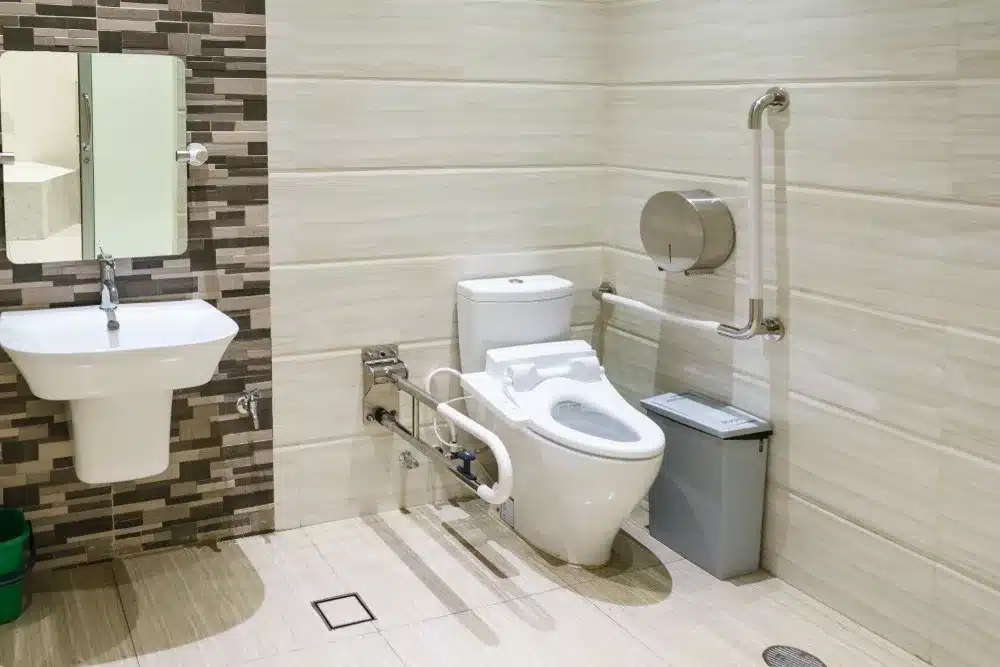
Installing grab bars can provide additional support and stability, especially near the shower or toilet areas.
Shower Chairs
Shower chairs provide a safe seating option for seniors while bathing, reducing the risk of slips.
Cost Considerations
The cost of slip-resistant bathroom flooring varies depending on the material and installation method. It’s essential to balance cost with the quality and durability of the flooring.
Long-Term Investment
While the initial cost may be higher, investing in quality slip-resistant flooring pays off in the long run by preventing accidents and reducing maintenance costs.
Environmental Factors
Consider the environmental impact of your flooring choice. Opt for eco-friendly materials that offer slip-resistance without compromising on sustainability.
Recyclable Materials
Choose flooring made from recyclable materials to minimize your carbon footprint and contribute to a healthier planet.
Conclusion
Incorporating slip-resistant bathroom flooring is a crucial step in enhancing safety for everyone, particularly seniors. By choosing the right type of flooring, ensuring proper installation, and maintaining it regularly, you can create a safe and secure bathroom environment for all.
FAQs
1. How often should slip-resistant flooring be replaced?
It depends on the material and usage, but regular inspections can help determine when replacement is necessary.
2. Can slip-resistant flooring be installed over existing tiles?
Yes, but it’s crucial to ensure the existing surface is level and secure before installation.
3. Are there DIY options for slip-resistant flooring?
While DIY options exist, professional installation is recommended for optimal safety and durability.
This article contains affiliate links. We may earn a commission at no extra cost to you.