

Living with arthritis or chronic joint pain can make everyday activities—like sitting down or getting up from a chair—much more challenging. Recliners, when chosen and used thoughtfully, can offer significant relief and comfort. However, not all recliners are created equal, and using them effectively requires a bit of know-how. This guide shares practical tips for using recliners with arthritis to help you or your loved ones maximize comfort, safety, and independence at home.
For those also interested in accessible technology, consider exploring voice controlled tablets that can further enhance daily living for seniors and individuals with mobility challenges.
Choosing the Right Recliner for Joint Pain Relief
Finding a recliner that suits your needs is the first step to improving comfort and mobility. Here are some essential factors to consider:
- Power Lift Functionality: Recliners with a power lift feature gently raise the seat, making it easier to stand up or sit down without straining knees or hips.
- Supportive Cushioning: Look for models with firm, high-density foam that supports the body without sagging. Proper lumbar and neck support can help alleviate pressure on sensitive joints.
- Easy-to-Use Controls: Large, clearly labeled buttons or remote controls are ideal for those with limited hand dexterity.
- Wide Armrests: Sturdy, padded armrests provide leverage and stability when getting in or out of the chair.
- Swivel and Rocking Features: While some enjoy these, they can make standing up more difficult for those with severe arthritis. Assess if these features help or hinder your mobility.
For more information on the benefits of reclining chairs for seniors, you can read this detailed overview.
Setting Up Your Recliner for Maximum Comfort
Proper setup is just as important as choosing the right chair. Follow these tips for using recliners with arthritis to enhance daily comfort:
- Optimal Placement: Position the recliner where you have plenty of space to extend the footrest and recline fully. Ensure there are clear pathways around the chair to prevent tripping.
- Adjust for Your Height: When seated, your feet should rest flat on the floor with knees at a 90-degree angle. Adjust the seat height if possible, or use a small footrest for added support.
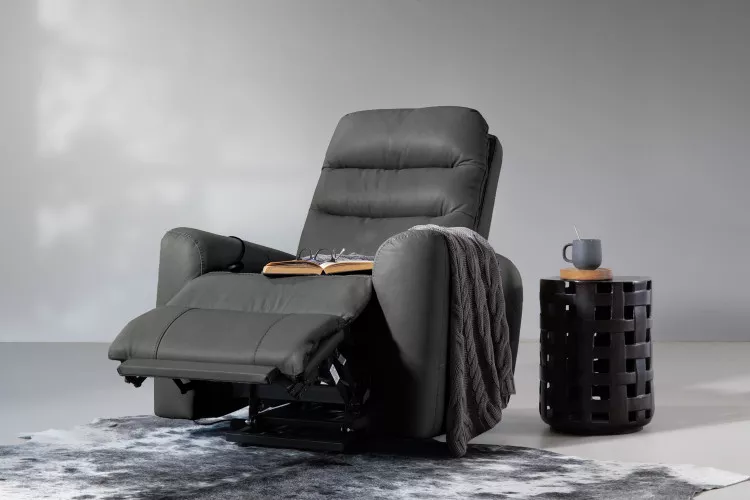
- Keep Essentials Nearby: Place a side table within easy reach for drinks, medications, reading materials, or remote controls. This minimizes the need for frequent standing, reducing joint strain.
- Use Supportive Accessories: Consider lumbar pillows, neck rolls, or heated pads to target specific areas of discomfort.
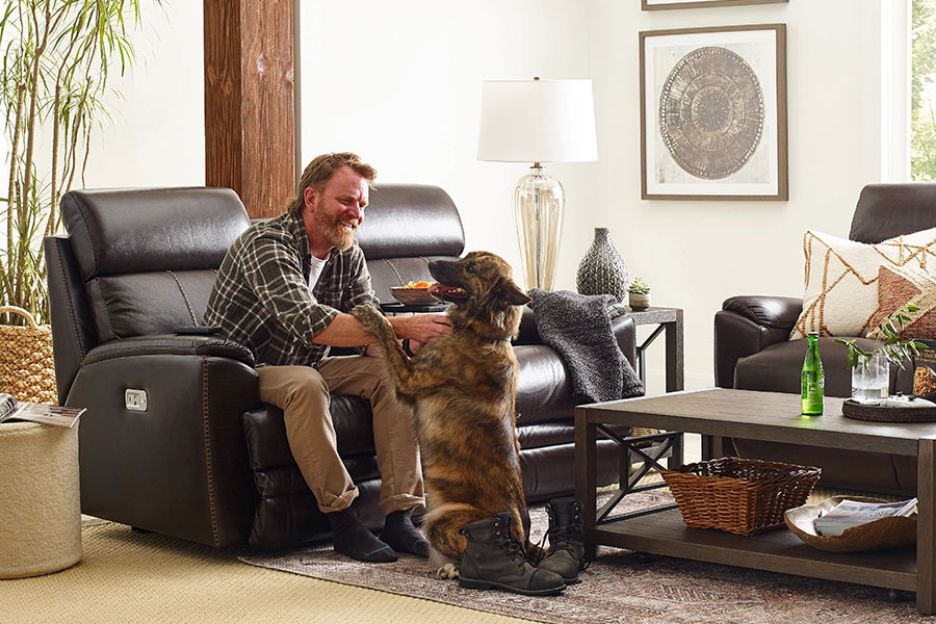
Safe and Easy Ways to Get In and Out of a Recliner
Getting in and out of a recliner can be a challenge for those with joint pain. Here are some practical strategies:
- Use the Power Lift: If your recliner has a lift feature, activate it to raise the seat before standing. This reduces the effort required from your knees and hips.
- Leverage Armrests: Place both hands firmly on the armrests and use them to support your weight as you rise or lower yourself.
- Move Slowly: Take your time when transitioning between sitting and standing. Sudden movements can increase pain or risk of falls.
- Wear Supportive Footwear: Non-slip shoes or slippers provide better traction and stability, especially on smooth floors.
- Ask for Help When Needed: If you’re feeling unsteady, don’t hesitate to ask a family member or caregiver for assistance.
Maintaining Good Posture and Reducing Joint Stress
Proper posture is key to minimizing discomfort while seated. Here’s how to maintain alignment and reduce strain:
- Keep Hips and Knees Level: Adjust the seat or use a cushion so your hips and knees are at the same height, preventing excess pressure on joints.
- Support Your Lower Back: Use a lumbar pillow or the chair’s built-in support to maintain the natural curve of your spine.
- Change Positions Regularly: Shift your weight, stretch your legs, or recline and sit upright at intervals to promote circulation and prevent stiffness.
- Elevate Legs When Needed: Raising your feet can reduce swelling and discomfort, especially for those with arthritis in the lower extremities.
Daily Habits for Comfortable Recliner Use With Arthritis
Consistent routines can make a big difference in managing joint pain. Consider these daily habits:
- Set a Schedule: Try to get up and move every hour, even if just for a few minutes. Gentle movement helps keep joints flexible.
- Use Heat or Ice: Keep a heating pad or cold pack nearby to soothe sore joints while seated.
- Stay Hydrated: Drinking enough water can help reduce joint stiffness and inflammation.
- Monitor Your Posture: Check in with your body throughout the day and adjust your position as needed for comfort.
Additional Tools and Resources for Seniors
Beyond recliners, several other products and resources can support comfort and safety:
- Easy to use smartphones for seniors can keep you connected without straining your hands or fingers.
- Consider best phones for elderly parents with large buttons and emergency features for added peace of mind.
- Explore easy tablets for beginners if you want simple, intuitive tech for reading or entertainment.
FAQ: Recliner Use and Arthritis
What features should I look for in a recliner if I have arthritis?
Prioritize power lift mechanisms, supportive cushioning, wide armrests, and easy-to-operate controls. These features reduce strain and make the chair more accessible for those with limited mobility.
How can I make getting up from my recliner easier?
Use the power lift function if available, push off from the armrests, and move slowly to maintain balance. Supportive footwear and a clear area around the chair also help prevent falls.
Are there accessories that can make recliners more comfortable for joint pain?
Yes, lumbar pillows, neck rolls, heated pads, and small footrests can all enhance comfort and provide targeted relief for sore joints.
How often should I move or change positions when using a recliner?
Try to shift your position or stand up at least once every hour. Regular movement helps prevent stiffness and promotes circulation, which is especially important for those with arthritis.
Can recliners help with other mobility challenges?
Absolutely. Recliners with lift and support features can assist individuals with a variety of mobility issues, not just arthritis. They can make daily living safer and more comfortable for seniors and anyone with limited movement.
By following these tips for using recliners with arthritis, you can create a safer, more comfortable environment that supports independence and well-being. The right chair, combined with thoughtful setup and daily habits, can make a noticeable difference in quality of life for those managing joint pain.