

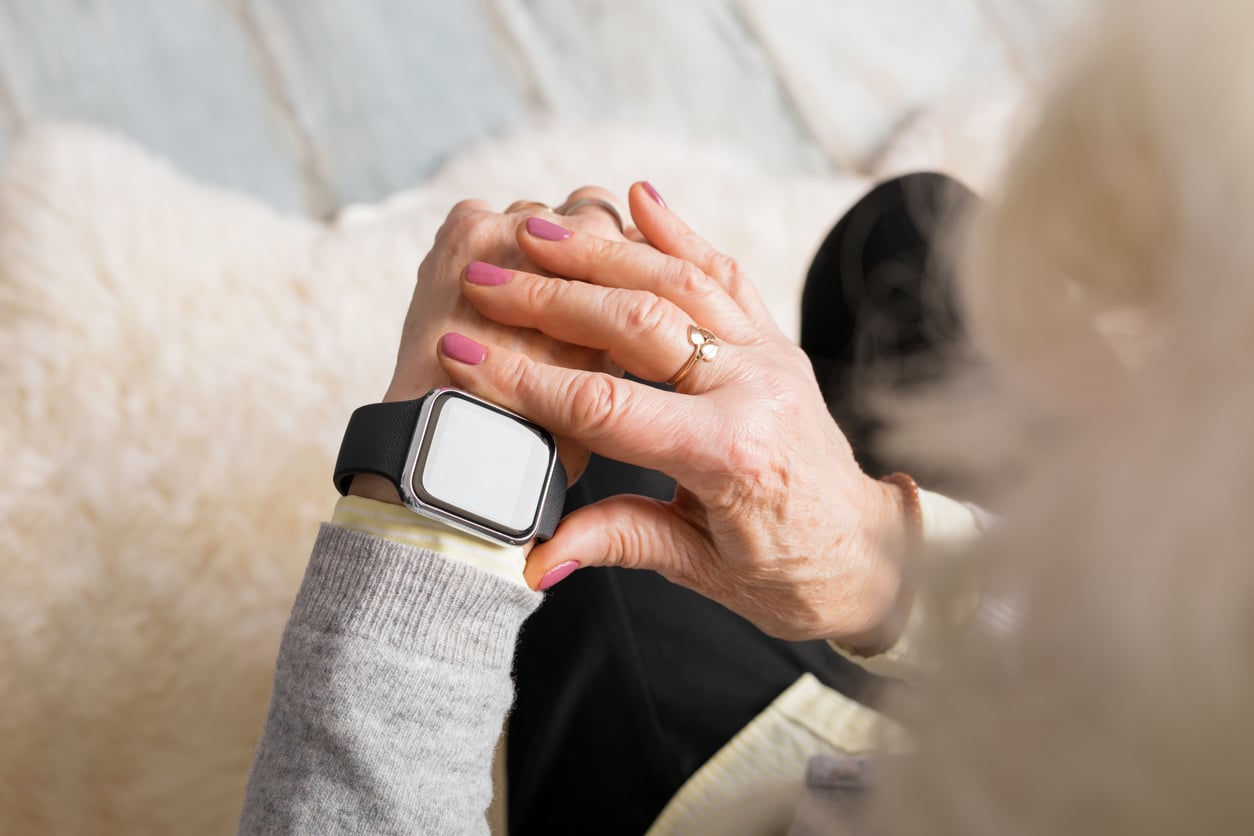
In today’s world, technology is continuously transforming lives, especially for our senior citizens. With the rise of wearables for seniors over 70, there’s a promising opportunity to enhance safety, health, and overall quality of life for our elderly loved ones. These devices are designed to cater to the specific needs of seniors, offering features that promote independence while ensuring safety.
Understanding the significance of wearables for seniors over 70 is crucial. These devices not only provide convenience but also play a pivotal role in health monitoring, fall detection, and emergency assistance. As we delve deeper, we’ll explore everything you need to know about these indispensable gadgets.

What Are Wearables for Seniors?
Wearables for seniors are electronic devices that can be worn on the body. They often come in the form of watches, pendants, or bracelets, embedded with sensors and communication capabilities to monitor various health metrics and provide alerts when necessary.
The Rising Importance of Wearables
As life expectancy increases, there’s a growing need for devices that support seniors in maintaining their independence. Wearables fill this gap by offering features like heart rate monitoring, GPS tracking, and emergency response systems.
Benefits of Wearables for Seniors Over 70
The benefits of these devices are manifold. They help in tracking vital signs, reminding seniors to take their medication, and even assist in navigation, ensuring that seniors can move around confidently and safely.
Key Features of Senior Wearables
Health Monitoring
One of the most beneficial features of wearables is health monitoring. Devices can track heart rate, blood pressure, and even detect irregular heartbeats. This continuous monitoring can alert caregivers or medical professionals if something is amiss.
Fall Detection and Alerts
Falls are a common concern for seniors. Many wearables come equipped with fall detection technology, which can automatically send an alert to emergency contacts or services if a fall is detected.
GPS and Navigation
With built-in GPS, seniors can have peace of mind knowing that help can locate them quickly in case they get lost or need assistance. This feature is particularly useful for those with dementia or Alzheimer’s.
Popular Wearable Devices for Seniors
Smartwatches
Smartwatches are among the most popular wearables for seniors. They offer a range of functionalities, from health monitoring to communication. For instance, some affordable smartwatch brands are specifically designed with seniors in mind, ensuring ease of use and reliability.
Pendants and Bracelets
Pendants and bracelets offer a more discreet option for those who may not want to wear a watch. These devices provide essential features like emergency calling and health tracking without the bulk of a smartwatch.
Choosing the Right Wearable for Your Needs
Assessing Health Needs
When selecting a wearable, its important to consider the specific health needs of the senior. For instance, if heart health is a concern, a device with advanced heart monitoring features would be beneficial.
Considering Ease of Use
For seniors, simplicity is key. Devices should have user-friendly interfaces, large buttons, and clear displays to ensure easy operation. Some smartwatches with easy navigation are perfect for seniors who may not be tech-savvy.
Budget Considerations
Price is always a factor. While some features may seem appealing, it’s important to prioritize the necessities and find a device that fits within your budget without compromising essential functionalities.
The Future of Wearables for Seniors
Technological Advancements
The future looks bright for wearables. With advancements in technology, these devices are becoming more sophisticated, offering even more features to aid in health management and daily life.
Personalization and Customization
As technology evolves, we can expect wearables to become more personalized, catering to individual preferences and health requirements, ensuring that every senior can find a device that meets their unique needs.
Conclusion
Wearables for seniors over 70 are more than just gadgets; they are lifelines that provide independence, safety, and peace of mind. As technology continues to advance, these devices will undoubtedly play an even more critical role in the lives of our seniors.

FAQs
What are the best wearable devices for seniors?
The best devices vary based on individual needs, but popular options include smartwatches, pendants, and bracelets. It’s essential to choose one based on health monitoring features, ease of use, and budget.
How do wearables help in emergency situations?
Many wearables come with emergency alert systems that can connect seniors to emergency contacts or services with a single button press, providing quick assistance when needed.
Are wearables easy for seniors to use?
Yes, most wearables designed for seniors have user-friendly interfaces with large displays and simple controls, making them easy for seniors to operate.
For more insights into the benefits and features of wearables for seniors, you can check out this comprehensive guide on enhancing senior safety and health.
This article contains affiliate links. We may earn a commission at no extra cost to you.