


In today’s world, the importance of elder care has become increasingly significant. As our loved ones age, the question often arises: What do you call a person who takes care of the elderly? These dedicated individuals play a crucial role in ensuring the well-being and dignity of older adults. In this article, we aim to delve into this topic, exploring the various roles and titles associated with elderly caregivers.
Who Qualifies as an Elderly Caregiver?
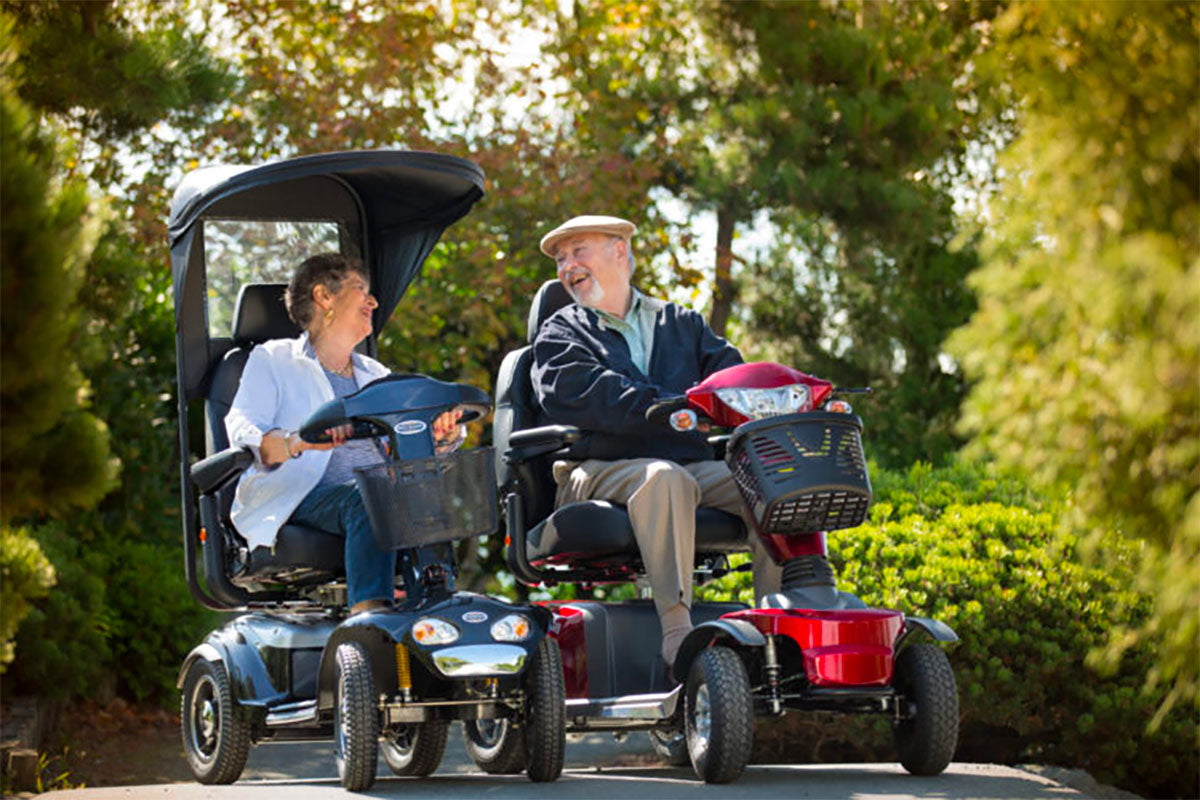
An elderly caregiver is someone who is responsible for assisting seniors with daily activities, ensuring their comfort, and providing companionship. They are often referred to as home health aides, personal care aides, or simply caregivers. The title may vary based on the specific tasks they perform and the setting in which they work.
The Role of a Caregiver
The role of a caregiver is multifaceted, involving both physical and emotional support. These professionals are key in helping seniors maintain their independence while ensuring their health and safety. Tasks may include assisting with bathing, dressing, meal preparation, medication management, and transportation.
Providing Daily Assistance
A significant part of a caregiver’s role is to provide daily assistance with activities of daily living (ADLs). These tasks are essential for maintaining the quality of life and personal dignity of elderly individuals.
Companionship and Emotional Support
A caregiver also offers valuable companionship. Many seniors experience loneliness and isolation, and caregivers play a pivotal role in offering emotional support and social interaction, which are crucial for mental well-being.
Different Types of Caregivers
There are various types of caregivers, each with distinct roles and responsibilities. Understanding these can help families make informed decisions about the type of care needed for their loved ones.
Family Caregivers
Family members who take on the responsibility of caring for elderly loved ones are known as family caregivers. While they may not have formal training, their love and dedication often make them integral to the care system.
Professional Caregivers
These are trained individuals who provide care as part of their career. They work in homes, nursing facilities, or assisted living centers. Their expertise in handling various health conditions makes them highly valuable.
Specialized Caregivers
Some caregivers may have specialized training in managing specific conditions, such as Alzheimer’s or caring for those with diabetes. They offer targeted care that addresses unique health challenges.
The Importance of Elderly Caregivers
Elderly caregivers are essential in our society, bridging the gap between medical professionals and the daily needs of seniors. They ensure that older adults live with dignity and respect while receiving the attention they require.
Supporting Aging in Place
Caregivers enable many elderly individuals to age in place, which is the preferred choice for most seniors who wish to remain in their own homes.
Reducing Hospital Readmissions
By providing attentive care, caregivers help reduce the instances of hospital readmissions, offering consistent monitoring of health and swift responses to medical needs.
How to Choose the Right Caregiver
Choosing the right caregiver involves assessing the needs of the elderly person and finding someone who is not only qualified but also compassionate and empathetic.
Assessing Care Needs
The first step is to evaluate the level of care required. This involves considering physical assistance, emotional support, and specific medical needs.
Evaluating Credentials and Experience
Look for caregivers with the necessary credentials and experience. Its important to check references and understand their professional background.
Considering Personal Compatibility
The relationship between a caregiver and their client is personal. Ensuring compatibility can lead to more effective and enjoyable care.
Challenges Faced by Elderly Caregivers
While rewarding, caregiving comes with its set of challenges, such as emotional stress, physical demands, and burnout.
Emotional and Physical Stress
Caregivers often face emotional strain from managing their responsibilities and witnessing the decline of their loved ones or clients.
Preventing Caregiver Burnout
Burnout is a common issue due to the demanding nature of caregiving roles. It’s crucial to identify stress signs early and seek support.
Support Networks for Caregivers
Engaging in support groups or professional counseling can offer caregivers the emotional support they need to continue providing quality care.
Resources for Additional Support
There are numerous resources available to help caregivers in their role, ranging from educational materials to professional organizations that offer guidance.
Educational Programs
Courses and workshops are available to enhance caregiving skills and provide knowledge on handling specific conditions.
Professional Associations
Joining associations can offer access to resources, community support, and advocacy for the rights and needs of caregivers.
Community and Online Support Groups
These platforms offer valuable connections and advice from fellow caregivers, providing a sense of community and understanding.
Future of Elderly Caregiving
The demand for elderly caregivers is expected to grow as populations age. This future trend emphasizes the need for more training programs and support systems to prepare for the rising needs.
Changing Demographics
The increase in the elderly population highlights the importance of developing robust care systems to meet their needs effectively.
Advancements in Care Technology
Emerging technologies, such as monitoring devices and digital health applications, are enhancing the caregiving process, offering innovative solutions for care management.
For more about how technology is integrated into caregiving, visit WebMD.
Encouraging Career Paths in Caregiving
Increasing awareness and promoting caregiving as a viable and rewarding career can help address the shortage of qualified professionals in this field.
Conclusion
The answer to what do you call a person who takes care of the elderly encompasses more than just a title it embodies compassion, dedication, and an essential role in the lives of many. As society continues to evolve, recognizing and supporting these individuals remains vital, ensuring that elder care remains a respected and growing part of our communities.
FAQs
What qualifications does a professional caregiver need?
Professional caregivers typically need certification and specialized training, such as first aid, CPR, and understanding geriatric needs. Check local requirements for more specific guidelines.
How can technology support caregivers?
Technology offers tools like monitoring systems and health apps that aid in tracking health metrics, which can ease the burden on caregivers and improve the quality of care.
What are common signs of caregiver burnout?
Symptoms include fatigue, irritability, changes in sleeping habits, and feelings of constant pressure. Its important to address these signs promptly and seek support if needed.
This article contains affiliate links. We may earn a commission at no extra cost to you.