


The question of what is the most common disease in the elderly is a pertinent one, especially considering the growing population of senior citizens globally. In the golden years, maintaining health becomes a priority, and understanding the challenges faced plays a crucial role in ensuring a better quality of life. The response to this question helps both caregivers and healthcare providers focus on preventative measures and effective management practices.
According to numerous studies, arthritis emerges as a prevalent ailment among older adults, significantly impacting their mobility and quality of life. It isn’t just an inconvenience but a major contributor to disability and discomfort. Recognizing its prevalence helps in understanding the importance of strategic prevention and management efforts tailored for seniors.
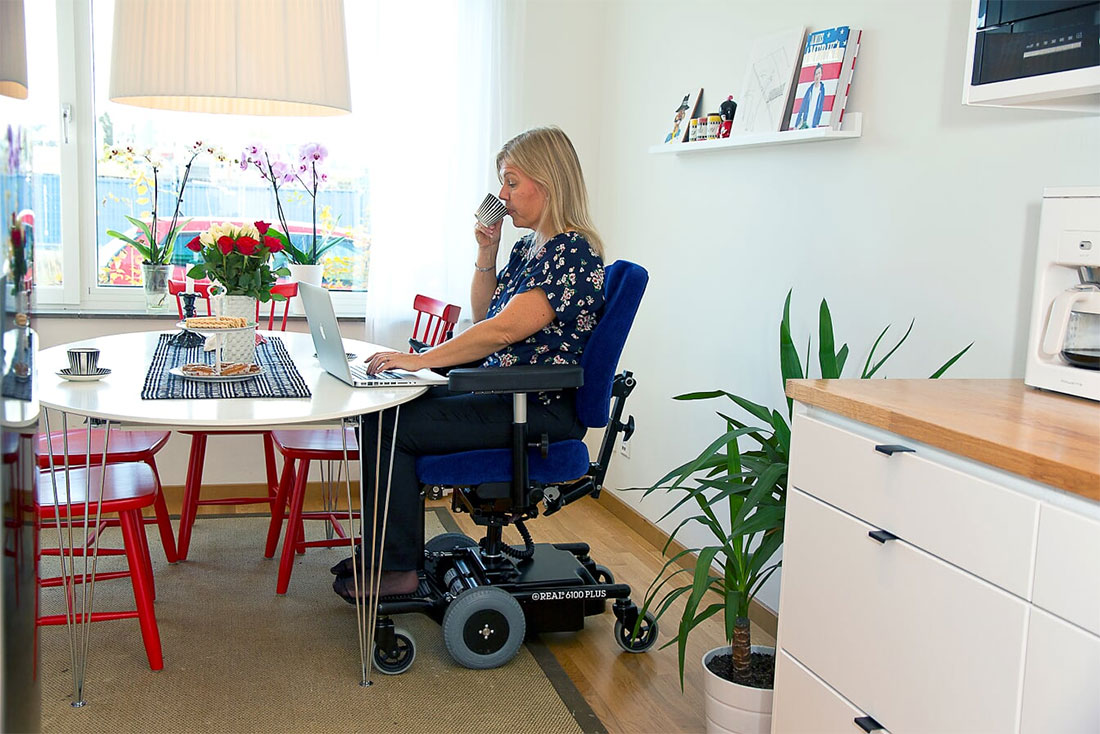
The Prevalence of Arthritis Among the Elderly
Arthritis encapsulates over a hundred different types of conditions that affect the joints and surrounding tissues. By far, osteoarthritis is the most common form diagnosed in older adults. It is characterized by the degeneration of joint cartilage and the underlying bone, leading to pain and stiffness, predominantly in the hip, knee, and thumb joints. This widespread condition manifests in numerous ways, influencing millions of seniors’ daily lives.
Understanding Osteoarthritis
Osteoarthritis occurs when the protective cartilage, which acts as a cushion on the ends of bones, wears down over time. It generally affects the joints most frequently used and can lead to chronic pain, joint deformity, and functional impairment. As the most common joint disorder in seniors, it’s impactful both physically and socially, often leading to limitations in daily activities and overall independence.
Other Common Diseases in Seniors
Beyond arthritis, other conditions are prevalent amongst the elderly. Heart disease, diabetes, and osteoporosis are significant contributors to the health landscape of older individuals. Each carries its unique challenges and requires specific approaches to treatment and management.
Heart Disease in the Elderly
Cardiovascular ailments remain leading causes of morbidity and mortality. Factors like hypertension and high cholesterol can exacerbate these conditions, necessitating meticulous control through lifestyle adjustments and medication.
Diabetes and Senior Health
The management of diabetes among older adults is essential due to its potential complications. With careful monitoring and adjustments to diets and medication, seniors can manage this condition effectively.
Impact of Lifestyle on Disease Management
Adopting a healthy lifestyle can mitigate the impact of these diseases. Regular physical activity, a balanced diet, and maintaining a healthy weight are potent tools in managing and reducing the incidence of many diseases affecting the elderly.
Importance of Regular Check-Ups
Proactive healthcare, such as regular check-ups and screenings, plays a pivotal role in early detection and management of age-related ailments. These check-ups can lead to early intervention, often making a significant difference in the management of chronic illnesses.
Enhancing Quality of Life
Aside from physical health, mental well-being is equally essential. Activities that engage seniors mentally and socially are beneficial. Programs promoting socialization, creativity, and mental stimulation can have positive effects on overall health and are critical components of elderly care.
Innovative Approaches to Elderly Care
With advancements in healthcare and technology, innovative treatments and care models are developed continually, offering new hope and possibilities for the elderly to live healthier, more fulfilling lives.
Supporting Caregivers
Caregivers play an essential role in managing elderly health conditions. Providing them with resources, training, and support is crucial for effective caregiving. Organizations, like the National Institute on Aging, provide valuable resources to support family caregivers in their journey.
Community and Family Support
Creating a supportive network within families and communities is imperative. It improves emotional well-being for seniors and eases the physical and emotional burden on caregivers.
Future Implications for Elderly Health
Analyzing current trends and projecting future needs are crucial in preparing for an aging population. Collaborative efforts between healthcare systems, governments, and communities play a significant role in paving the way for improved elderly health care services.
Policy Changes and Healthcare Improvements
Investment in healthcare improvements and policy changes can enhance healthcare delivery to the elderly. Efforts should focus on accessibility, affordability, and quality of care to address the unique needs of senior citizens effectively.
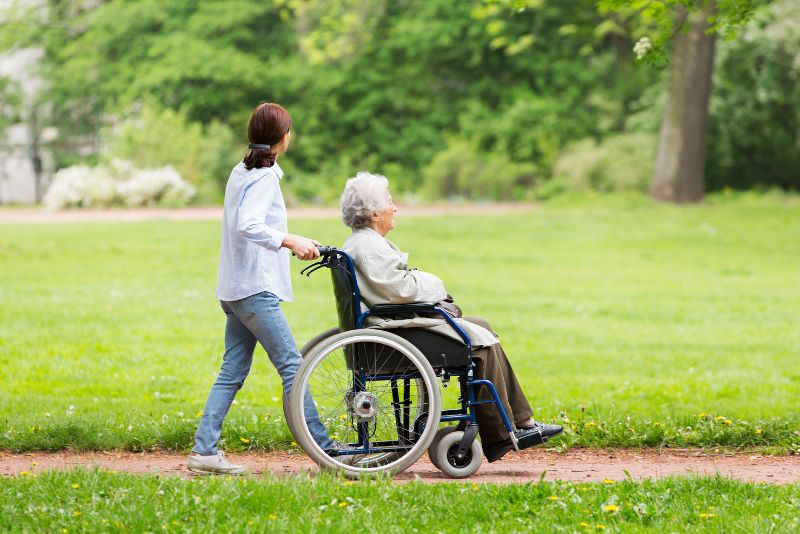
FAQs About Common Elderly Diseases
Q: How can arthritis be managed effectively in seniors?
A: Through a combination of medication, physical therapy, and lifestyle changes, such as weight management and regular exercise, arthritis can be well-managed, minimizing pain and maximizing mobility.
Q: What lifestyle changes can help reduce the impact of heart disease in older adults?
A: Incorporating a heart-healthy diet, regular physical activity, abstaining from smoking, and managing stress levels are vital strategies in carer for heart disease among elderly individuals.
Q: Why is it important for seniors to have regular health screenings?
A: Regular screenings enable timely detection and treatment of conditions, preventing deterioration and ensuring better management of existing health issues.
For more tips and resources, seniors and caregivers can check out services and guidance offered by organizations, such as this guide on caring for elderly parents at home.
This article contains affiliate links. We may earn a commission at no extra cost to you.