


Ensuring the safety of older adults at home is a top priority for families and caregivers. As people age, the risk of falls and wandering increases, especially for those living with dementia, mobility challenges, or other health conditions. Bed alarms for elderly safety have become a vital tool in helping to prevent accidents and provide peace of mind for loved ones. These devices alert caregivers when someone attempts to leave their bed, allowing for quick intervention and reducing the risk of injury.
While there are many ways to enhance home safety for seniors—such as installing wireless security cameras for elderly homes or using easy-to-use thermostats—bed alarms offer a direct, proactive approach to fall prevention and monitoring. This article explores how these alarms work, their benefits, and what to consider when choosing the right system for your needs.
Why Fall Prevention Matters for Older Adults
Falls are a leading cause of injury among seniors. According to the CDC, millions of older adults experience falls each year, often resulting in fractures, hospitalizations, or loss of independence. For those with cognitive impairments or limited mobility, the risk is even higher. Early detection of movement—such as getting out of bed—can make a significant difference in preventing serious accidents.
Bed alarms are designed to notify caregivers the moment an individual attempts to stand or leave the bed. This immediate alert allows for timely assistance, reducing the likelihood of falls and related complications.
How Bed Alarms for Elderly Safety Work
These safety devices typically consist of a sensor pad or motion detector placed on or near the bed, connected to an alarm unit. When pressure is removed from the pad (indicating the person is getting up) or motion is detected, the alarm sounds—either at the bedside or remotely, depending on the model.
- Sensor Pads: Placed under the mattress or bedsheet, these pads detect changes in pressure and trigger an alert when someone leaves the bed.
- Motion Sensors: Positioned beside the bed, these devices sense movement and activate the alarm if someone tries to get up.
- Wireless Systems: Many modern alarms use wireless technology, allowing caregivers to receive alerts on portable receivers or smartphones, even from another room.
Some advanced systems integrate with other home safety devices, offering a comprehensive approach to monitoring and protection.

Key Benefits of Using Bed Exit Alarms
Implementing bed alarms for elderly safety in the home or care facility offers several important advantages:
- Immediate Notification: Caregivers are alerted as soon as the person attempts to leave the bed, allowing for quick response.
- Reduced Risk of Injury: Early intervention helps prevent falls, which can lead to fractures or hospital stays.
- Peace of Mind: Families and staff gain confidence knowing there’s an extra layer of protection for their loved one.
- Support for Independence: Seniors can maintain some autonomy while still being monitored for safety.
- Customizable Options: Many systems offer adjustable sensitivity, volume controls, and wireless connectivity to fit different needs.
These alarms are especially helpful for individuals with dementia or Alzheimer’s disease, who may be prone to wandering at night or forgetting their physical limitations.
Choosing the Right Bed Alarm for Your Needs
Selecting the best system depends on the specific requirements of the user and their environment. Here are some factors to consider:
- Type of Sensor: Decide between pressure pads, motion detectors, or a combination of both.
- Alarm Location: Some alarms sound at the bedside, while others alert caregivers remotely. Wireless options offer more flexibility.
- Ease of Use: Look for systems that are simple to set up and operate, especially if multiple caregivers will use them.
- Volume and Sensitivity: Adjustable settings allow you to tailor the alarm to your environment and the user’s needs.
- Integration with Other Devices: Some alarms can connect with other monitoring tools, such as smart thermostats for seniors or home security systems.
- Battery Life and Reliability: Ensure the device has a dependable power source and backup options in case of outages.
Reading reviews and consulting with healthcare professionals can also help you make an informed decision.
Integrating Bed Alarms with Other Home Safety Solutions
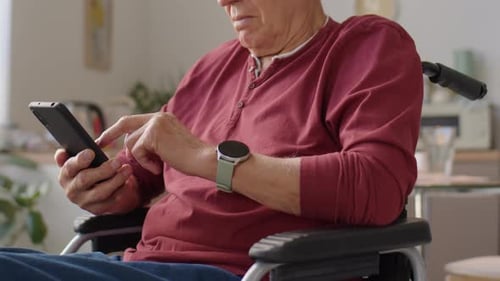
For comprehensive protection, consider combining bed exit alarms with other supportive technologies. For example, pairing these alarms with portable fans for elderly comfort can help create a safer and more comfortable environment. Additionally, technology gifts for seniors like tablets or wearable devices can further enhance safety, communication, and independence.
Some families also use massage chairs for seniors to promote relaxation and reduce nighttime restlessness, which may decrease the urge to get out of bed unsupervised.
Tips for Effective Use of Bed Exit Alarms
To maximize the benefits of these safety devices, keep the following tips in mind:
- Test the alarm regularly to ensure it’s functioning properly.
- Position the sensor pad or motion detector according to the manufacturer’s instructions for optimal sensitivity.
- Communicate with the senior about the purpose of the alarm, if possible, to reduce confusion or anxiety.
- Check batteries or power connections frequently, especially in wireless models.
- Combine with other safety measures, such as night lights or non-slip mats, for a holistic approach to fall prevention.
By following these steps, caregivers can provide a safer environment and respond quickly to any nighttime activity.
FAQ
Are bed alarms suitable for all seniors?
While these devices are helpful for many older adults, they may not be appropriate for everyone. Some individuals with advanced dementia may become agitated by alarms, while others may benefit greatly from the added supervision. It’s important to consider the senior’s cognitive and emotional state before using any monitoring device.
Can bed alarms be used in assisted living or nursing homes?
Yes, many care facilities use these alarms as part of their fall prevention protocols. However, policies may vary, and it’s essential to coordinate with staff to ensure the chosen system is compatible with facility guidelines and does not disrupt other residents.
What features should I look for in a bed alarm system?
Key features include adjustable sensitivity, wireless connectivity, remote alerts, easy installation, and reliable battery life. Some systems also offer integration with other smart devices, which can be useful for families seeking a more connected approach to home safety.
How do I maintain privacy and dignity when using monitoring devices?
It’s important to balance safety with respect for the individual’s privacy. Choose discreet alarms, explain their purpose clearly, and involve the senior in decisions whenever possible. Always follow ethical guidelines and local regulations regarding monitoring and consent.
In summary, bed alarms for elderly safety are a practical and effective way to reduce the risk of falls and wandering, providing reassurance for both caregivers and seniors. By choosing the right system and integrating it with other supportive technologies, families can create a safer, more comfortable home environment for their loved ones.