

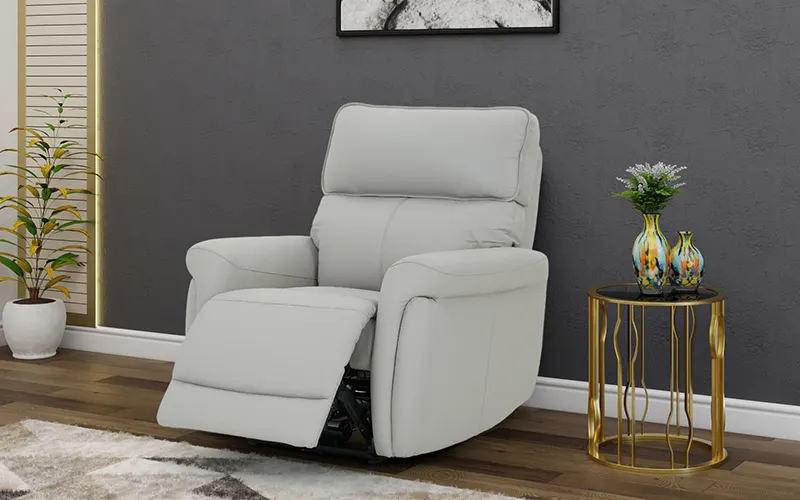
Comfort and support are essential for seniors who spend extended periods sitting, whether relaxing at home or using mobility aids. The choice of cushioning material in chairs and recliners directly impacts not only comfort but also long-term health and quality of life. Among the available options, high-density foam stands out for its unique combination of durability, resilience, and ergonomic support. Understanding the benefits of high density foam in senior seating can help families and caregivers make informed decisions when selecting chairs or recliners for older adults.
From reducing pressure points to maintaining shape over time, high-density foam offers advantages that address the specific needs of seniors. In this article, we’ll explore how this material enhances comfort, safety, and longevity in seating solutions designed for older adults. For those interested in maximizing both comfort and cleanliness, you may also want to learn about how to clean leather recliners for seniors to keep seating in top condition.
Why Cushioning Matters for Senior Comfort
As people age, their bodies become more sensitive to pressure and less able to recover from discomfort caused by poor seating. Seniors often experience reduced muscle mass, joint pain, and increased risk of pressure sores. The right cushioning can help alleviate these issues, making daily sitting safer and more comfortable.
Traditional low-density foams or fiberfill cushions tend to lose their shape quickly, leading to sagging and uneven support. In contrast, high-density foam maintains its structure, providing consistent comfort and support for longer periods. This is particularly important for seniors who may spend several hours a day in their favorite chair or recliner.
Key Advantages of High-Density Foam in Elderly Seating
Let’s break down the main reasons why high-density foam is a preferred choice in seating solutions for older adults:
- Superior Support: High-density foam distributes weight evenly, reducing pressure points that can cause discomfort or lead to skin breakdown.
- Long-Lasting Comfort: Unlike softer foams that compress and lose shape, high-density varieties retain their resilience, ensuring the seat remains comfortable for years.
- Enhanced Stability: Firmer foam helps seniors maintain proper posture, which is essential for spinal health and ease of movement when standing up or sitting down.
- Reduced Risk of Pressure Sores: By minimizing localized pressure, high-density foam helps prevent the development of pressure ulcers, a common concern for those with limited mobility.
- Better for Adjustable Seating: Many modern recliners and lift chairs use high-density foam to ensure smooth operation and consistent comfort across various seating positions.
)
How High-Density Foam Improves Daily Life for Seniors
For older adults, the daily experience of sitting can be transformed by the right materials. High-density foam not only provides a comfortable surface but also contributes to overall well-being. Here are some practical ways this material makes a difference:
- Promotes Healthy Posture: The firmness of high-density foam supports the natural curves of the spine, reducing slouching and helping to maintain alignment. This is especially important for seniors who may be prone to back pain or spinal issues. For more on how seat design affects posture, see the impact of recliner seat depth on posture.
- Facilitates Easier Transfers: A stable, supportive seat makes it easier for seniors to stand up or transfer to a wheelchair, reducing the risk of falls and injuries.
- Minimizes Fatigue: Even weight distribution and reduced pressure points help prevent soreness and fatigue, allowing seniors to enjoy longer periods of relaxation or socializing.
- Maintains Shape and Appearance: High-density foam resists sagging and indentations, keeping chairs looking and feeling new for longer.
Comparing High-Density Foam to Other Cushioning Materials
When evaluating seating for seniors, it’s helpful to compare high-density foam to other common materials:
| Material | Support | Durability | Comfort | Best For |
|---|---|---|---|---|
| High-Density Foam | Excellent | Long-lasting | Firm, supportive | Daily use, posture support |
| Low-Density Foam | Moderate | Short-lived | Softer, less supportive | Occasional use |
| Fiberfill | Poor | Poor | Soft, compresses quickly | Temporary cushions |
| Memory Foam | Good (contours to body) | Moderate | Soft, pressure-relieving | Short-term comfort |
Choosing the Right Seating for Seniors: What to Look For
When selecting a chair or recliner for an older adult, consider the following features to maximize the benefits of high density foam in senior seating:
- Seat Height and Depth: Ensure the seat is easy to get in and out of, and that the depth supports the thighs without cutting off circulation. For small spaces, see these tips for positioning a recliner in a small room.
- Firmness Level: Look for foam that is firm enough to provide support but not so hard that it causes discomfort.
- Cover Material: Choose easy-to-clean fabrics or leathers, especially if incontinence or spills are a concern.
- Adjustability: Recliners and lift chairs with high-density foam offer both comfort and flexibility for reading, napping, or watching TV.
- Backup Features: Consider models with backup batteries for lift chairs to ensure safety during power outages. Learn how to replace a lift chair backup battery for added peace of mind.
Additional Considerations for Senior Safety and Well-Being
Beyond comfort, safety is a top priority in seating for older adults. High-density foam contributes to a safer environment by providing a stable base that reduces the risk of slipping or sliding. For those considering a lift chair, recognizing the signs a senior needs a lift chair can help families make timely decisions that promote independence and safety.
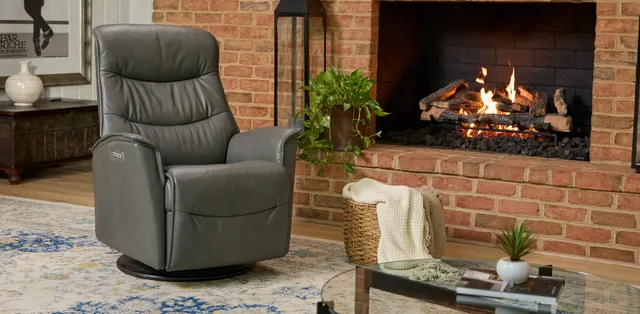
Many seniors also benefit from features like reclining mechanisms, adjustable headrests, and easy-to-clean surfaces. For a deeper look at the advantages of adjustable seating, see this overview of reclining chairs for seniors.
Frequently Asked Questions
What makes high-density foam better for seniors than other types of foam?
High-density foam offers firmer, more consistent support compared to low-density alternatives. This helps distribute weight evenly, reduces pressure points, and maintains its shape over time, making it ideal for seniors who need reliable comfort and stability.
How long does high-density foam last in a senior chair or recliner?
With regular use, high-density foam can maintain its supportive qualities for several years—often outlasting lower-density foams by a significant margin. Its resilience means chairs stay comfortable and supportive even with daily use.
Is high-density foam suitable for seniors with sensitive skin or pressure sore risks?
Yes, the even weight distribution and firm support of high-density foam help minimize pressure points, reducing the risk of pressure sores. For seniors with sensitive skin or limited mobility, this type of cushioning is often recommended by healthcare professionals.
Can high-density foam be used in both recliners and standard chairs?
Absolutely. High-density foam is commonly used in a wide range of seating options, including recliners, lift chairs, and traditional armchairs, to provide consistent comfort and support for seniors.