

Finding comfortable reclining positions can make a significant difference for seniors experiencing hip discomfort. The right posture not only eases pressure on sensitive joints but also helps promote better circulation and relaxation. If you or a loved one is searching for practical ways to reduce hip pain while seated or resting, understanding the most supportive reclining angles and setups is essential.
As we age, hip pain becomes more common due to arthritis, injuries, or reduced mobility. Recliner chairs, when used correctly, can provide targeted relief and make daily life more manageable. This article explores proven strategies and adjustments to help seniors get the most out of their recliners, focusing on optimal positions for hip comfort and practical tips for everyday use.
For those interested in maintaining their recliner’s comfort and hygiene, you may also want to learn how to clean microfiber recliner chairs for easy maintenance and long-lasting support.
Why Reclining Positions Matter for Hip Pain
Hip pain can be aggravated by poor posture, excessive pressure, or lack of movement. Reclining chairs offer adjustable angles that help distribute body weight more evenly, reducing stress on the hip joints. By choosing the right reclining position for hip support, seniors can:
- Alleviate pressure on sore or arthritic hips
- Improve blood flow to the lower body
- Reduce muscle tension and stiffness
- Encourage proper spinal alignment
Not all recliner settings are equally beneficial. The key is to find a position that minimizes direct pressure on the hips while supporting the back and legs. Adjustments should be made based on individual comfort and medical advice.
Top Reclining Angles for Hip Discomfort
Here are some of the most effective reclining positions for hip pain relief that seniors can try:
1. Slight Recline (100–110 Degrees)
A gentle recline, where the backrest is tilted just past upright, helps relieve pressure on the hips without straining the lower back. This angle is ideal for reading, watching TV, or socializing, as it keeps the body relaxed but supported.
2. Zero Gravity Position
The zero gravity position, inspired by NASA, involves reclining so that the thighs and torso form a 120–130 degree angle, with the feet elevated above the heart. This setup distributes weight evenly, reduces hip joint compression, and promotes circulation. Many modern recliners have a dedicated zero gravity setting for this purpose.
3. Elevated Leg Rest
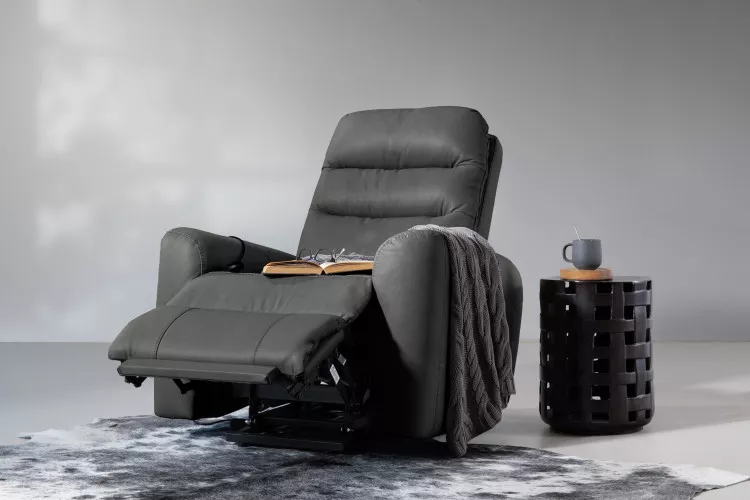
Raising the legs with an extended footrest or pillow under the knees can further reduce hip strain. Keeping the legs elevated takes pressure off the hips and lower back, which is especially helpful after walking or standing for long periods.
Tips for Adjusting Recliners for Maximum Comfort
Getting the most out of your recliner involves more than just picking a position. Here are some practical suggestions to enhance comfort and hip support:
- Use lumbar and hip cushions: Adding a small pillow or cushion behind the lower back or under the hips can provide extra support and reduce pressure points.
- Adjust the footrest height: Make sure your feet are fully supported, with knees slightly bent. This helps prevent strain on the hips and lower back.
- Change positions regularly: Avoid staying in one position for too long. Shift your posture or stand up every hour to keep joints flexible and reduce stiffness.
- Consult with a healthcare professional: If you have chronic hip pain or a recent injury, ask your doctor or physical therapist for recommended reclining angles and support devices.
Choosing the Right Recliner for Hip Support
Not all recliners are created equal when it comes to hip pain relief. Features to look for include:
- Adjustable backrest and footrest: Multiple reclining angles allow for better customization based on your needs.
- Firm, supportive cushioning: Soft chairs may feel comfortable at first but can worsen hip pain over time. Look for models with ergonomic support.
- Easy-to-use controls: Seniors should be able to adjust positions without straining or twisting.
- Lift assist function: For those with mobility challenges, a lift chair can make it easier to stand up without putting extra pressure on the hips. Learn more about what is a lift chair recliner and its benefits for seniors.
For a deeper look at the benefits of recliners for seniors, including comfort and mobility improvements, explore our comprehensive guide.
Additional Strategies for Managing Hip Pain in Recliners
While the right reclining setup is crucial, combining it with other pain management techniques can offer further relief:
- Gentle stretching: Regularly stretching the hips and lower back can help maintain flexibility and reduce discomfort.
- Heat therapy: Using a heating pad on sore hips while reclining can ease stiffness and promote relaxation.
- Weight management: Maintaining a healthy weight reduces stress on the hip joints, making reclining positions more effective.
- Physical therapy: A therapist can recommend exercises and postures tailored to your needs, ensuring you get the most benefit from your recliner.
For more insights on how specialized chairs can improve back health, see the importance of lumbar support in senior chairs.
Expert Insights: Reclining Chairs and Senior Wellbeing
Research and experience show that the right reclining chair can do more than just relieve hip pain. According to a recent overview of the benefits of reclining chairs for the elderly, these chairs can improve overall comfort, reduce swelling in the legs, and make it easier for seniors to maintain independence at home.
When paired with the right positioning and supportive features, a quality recliner becomes a valuable tool for managing daily aches and pains, especially in the hips and lower back.
Frequently Asked Questions
What is the best recliner angle for hip pain relief?
Most experts recommend a slight recline of 100–110 degrees or a zero gravity position, where the back and legs are supported at a gentle angle. These setups help distribute weight and reduce pressure on the hips.
Can recliners worsen hip pain if used incorrectly?
Yes, using a recliner with poor posture or inadequate support can increase hip discomfort. It’s important to adjust the chair to your body, use cushions as needed, and avoid slouching or sitting in one position for too long.
Are lift chairs better for seniors with hip pain?
Lift chairs can be especially helpful for those with mobility issues or severe hip pain. They assist with standing up and sitting down, reducing strain on the hips. For more details, see our guide on the benefits of riser recliners for seniors.