

Choosing the right recliner can make a significant difference in comfort, especially for seniors or anyone seeking ergonomic support. Among the most common types are 2-position and 3-position recliners. Understanding the difference between 2-position and 3-position recliners is essential for making an informed decision that matches your needs, space, and lifestyle. This guide breaks down how these two types of chairs operate, their benefits, and what to consider before buying.
For those interested in maximizing support and comfort, especially for older adults, it’s also worth exploring the benefits of a high backrest for seniors. This can help you select a recliner that not only fits your mobility needs but also promotes better posture and neck support.
Understanding Recliner Mechanisms
Recliners are designed to offer adjustable comfort by allowing users to change the angle of the backrest and sometimes the footrest. The main distinction between 2-position and 3-position models lies in how many preset angles they offer and how they transition between those angles.
Let’s break down the core mechanics and what you can expect from each type.
What Is a 2-Position Recliner?
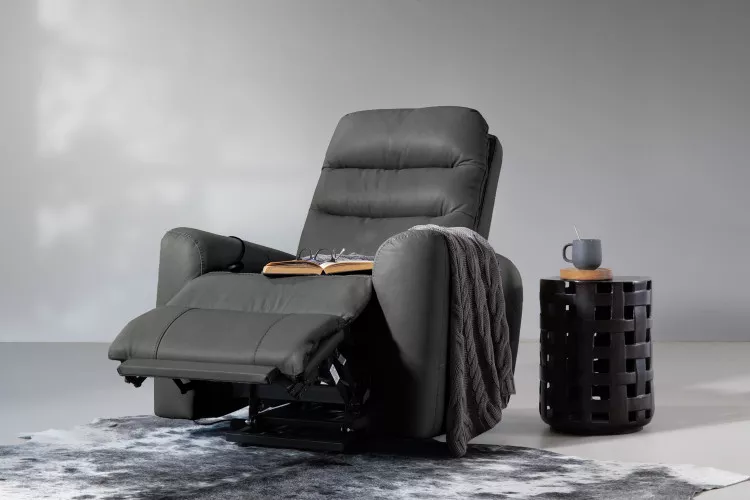
A 2-position recliner offers two main seating options: upright and a single reclined position. When you activate the reclining mechanism, the chair moves from the standard upright posture to a preset reclined angle, which is typically around 45 degrees. The footrest extends as you lean back, providing leg support.
- Simple operation: Usually activated by a lever or handle.
- Limited adjustability: Only two positions—upright and reclined.
- Space-saving: Ideal for smaller rooms due to limited range of motion.
These chairs are often more affordable and easier to use, making them a popular choice for those who want straightforward functionality without extra features.

What Sets 3-Position Recliners Apart?
Unlike their 2-position counterparts, 3-position recliners provide an additional angle for greater flexibility. These chairs typically offer:
- Upright position: Standard sitting posture for reading or watching TV.
- Partial recline: A mid-way angle, often used for relaxing without fully lying back.
- Full recline: The chair leans back further, sometimes approaching a near-flat position for napping or deep relaxation.
The extra setting allows users to fine-tune their comfort, making these chairs especially appealing for those who spend extended periods seated or need to shift positions throughout the day.
Many 3-position recliners also feature smoother transitions between positions and may use push-back, lever, or even power mechanisms for easier adjustment.
Comparing 2-Position and 3-Position Recliners
When weighing the difference between 2-position and 3-position recliners, consider the following aspects to determine which is best for your situation:
| Feature | 2-Position Recliner | 3-Position Recliner |
|---|---|---|
| Number of Recline Angles | 2 (Upright, Reclined) | 3 (Upright, Partial, Full Recline) |
| Adjustability | Limited | More Flexible |
| Operation | Manual (Lever/Handle) | Manual or Power |
| Space Required | Less | More |
| Price Range | Lower | Moderate to Higher |
| Best For | Short-term sitting, small spaces | Extended use, varied comfort needs |
Who Should Choose Each Type?
The right choice depends on your priorities, available space, and how you plan to use the chair. Here are some guidelines:
- 2-position recliners are ideal for those who want a simple, budget-friendly chair for occasional use or have limited space. They’re easy to operate and fit well in apartments or smaller living rooms.
- 3-position recliners are better suited for users who value flexibility, spend long hours seated, or require multiple seating angles for health reasons. These are especially beneficial for seniors or anyone recovering from surgery, as the extra position can help relieve pressure and improve circulation.
If you’re concerned about mobility or need additional support, it’s also helpful to learn about how to help a senior get out of a chair safely. This can influence your choice, as some recliners are easier to exit than others.
Health and Comfort Considerations
For seniors and individuals with limited mobility, the right recliner can make daily life much easier. The additional recline option in a 3-position chair can help reduce the risk of pressure sores and promote better circulation. For more tips on this, see our guide on how to prevent pressure sores in recliners.
Additionally, some 3-position models come with lift features, making it easier to stand up from the chair. This can be a crucial factor for those with joint pain or balance issues.
For a broader look at the health advantages of reclining furniture, especially for older adults, consider reading about the benefits of reclining chairs for the elderly.
Space and Placement Tips
Before purchasing, measure your available space. 2-position recliners generally require less clearance behind the chair, while 3-position models need more room to fully extend. Consider the path of the footrest and whether the chair will block walkways or doors when in use.
Also, think about proximity to power outlets if you’re considering a powered 3-position recliner. This ensures you can use all features without extension cords or awkward placements.
Maintenance and Durability
Both types of recliners are built for regular use, but 3-position models may have more moving parts, especially if powered. Look for sturdy frames, high-quality upholstery, and reliable mechanisms. Regular cleaning and occasional lubrication of moving parts can help extend the life of your chair.
If you use mobility aids, you may also want to check out advice on how to use a recliner with a walker for safe and convenient access.
FAQs
Can a 2-position recliner be adjusted to any angle between upright and reclined?
No, a 2-position recliner typically locks into just two preset positions: upright and a single reclined angle. It does not allow for incremental adjustments between those points.
Are 3-position recliners harder to operate than 2-position models?
Not necessarily. While 3-position recliners offer more flexibility, many are designed for ease of use, including power options or smooth manual levers. The added position simply gives you more choice in how you sit or rest.
Which type is better for seniors or people with mobility issues?
Generally, 3-position recliners are preferred for seniors or those with mobility challenges because they offer more comfort options and can include lift features. However, a 2-position chair may be sufficient for those who need a simple solution and have limited space.
How do I maintain my recliner for long-term use?
Regularly clean the upholstery, check and tighten any bolts, and lubricate moving parts as needed. For powered models, ensure the electrical components are kept dry and cords are not pinched or damaged.
Conclusion
Understanding the difference between 2-position and 3-position recliners helps you choose the right chair for your comfort, health, and living space. Consider your daily habits, available room, and any specific health needs when making your decision. Whether you prioritize simplicity or flexibility, there’s a recliner designed to support your lifestyle and well-being.