

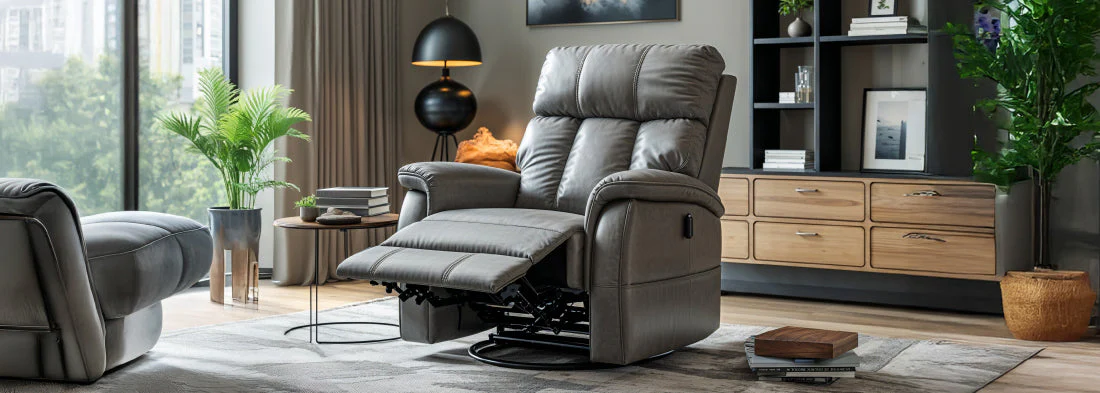
Pressure sores, also known as bedsores or pressure ulcers, are a significant concern for seniors who spend extended periods in recliners. These skin injuries develop when prolonged pressure reduces blood flow to vulnerable areas, especially over bony prominences like the tailbone, hips, and heels. For older adults with limited mobility, recliners offer comfort and support, but without proper precautions, they can also increase the risk of skin breakdown.
Understanding how to prevent pressure sores in recliners is essential for caregivers and families who want to keep their loved ones safe and comfortable. This article explores practical strategies, product recommendations, and daily routines that can help minimize the risk of pressure ulcers for seniors using recliner chairs.
For those interested in optimizing comfort and support, learning about the benefits of a high backrest for seniors can further enhance recliner safety and reduce the risk of skin issues.
Understanding the Causes of Pressure Sores in Recliner Chairs
Pressure ulcers develop when skin and underlying tissues are compressed between a bone and an external surface, such as the seat or back of a recliner. Seniors are particularly vulnerable due to thinner skin, reduced sensation, and decreased mobility. The main contributing factors include:
- Prolonged Pressure: Sitting in one position for too long restricts blood flow, depriving tissues of oxygen and nutrients.
- Friction and Shear: Sliding or repositioning without proper support can damage the skin and deeper tissues.
- Moisture: Sweat or incontinence can soften the skin, making it more susceptible to breakdown.
- Poor Nutrition: Inadequate protein and hydration slow the body’s ability to repair skin.
Recognizing these risk factors is the first step toward effective prevention for anyone spending significant time in a recliner.
Choosing the Right Recliner to Minimize Pressure Ulcer Risk
Not all recliners are created equal when it comes to senior care. Selecting a chair with the right features can make a substantial difference in comfort and skin health. Look for the following:
- Adjustable Positions: Chairs that allow frequent changes in position help relieve pressure on vulnerable areas.
- Supportive Cushioning: High-density foam or memory foam seats distribute weight more evenly and reduce pressure points.
- Breathable Fabrics: Materials that wick away moisture help keep skin dry and healthy.
- Easy-to-Use Controls: Power recliners or models with simple levers make it easier for seniors to adjust their position independently.
For a comparison of manual and power recliners, see this guide to choosing between manual and power recliners.

Daily Habits for Preventing Pressure Sores in Recliners
Beyond choosing the right chair, daily routines play a crucial role in maintaining skin health for seniors. Here are essential habits to incorporate:
- Frequent Repositioning: Encourage movement every 30–60 minutes, even if it’s a small shift in weight or a change in recline angle.
- Use of Cushions and Pads: Specialized pressure-relieving cushions can be placed on the seat and back to further reduce risk.
- Skin Inspections: Check high-risk areas daily for redness, warmth, or signs of breakdown.
- Maintain Dryness: Keep skin clean and dry, and use absorbent pads if needed to manage moisture.
- Support When Getting In and Out: Safe transfers reduce friction and shear. For tips, see how to help a senior get out of a chair.
Consistency with these practices can dramatically lower the chances of developing pressure ulcers.
Optimizing Recliner Setup for Senior Skin Health
Proper setup and accessories can make a recliner much safer for long-term use. Consider these adjustments:
- Correct Chair Size: The recliner should fit the user’s body to avoid slumping or sliding, which increases pressure and shear. If you’re unsure about fit, learn how to tell if a recliner is too big.
- Foot and Arm Support: Ensure feet are flat on the floor or supported, and arms rest comfortably to prevent awkward positions.
- Accessible Controls: Make sure the user can easily reach and operate the recliner’s mechanisms. For programmable features, see how to program a lift chair remote.
- Walker Compatibility: If mobility aids are used, ensure safe transitions in and out of the chair. For guidance, visit how to use a recliner with a walker.
Small adjustments can make a significant difference in comfort and safety for seniors.
Additional Tips for Caregivers and Families
Caregivers play a vital role in supporting seniors who rely on recliners for daily comfort. Here are some extra recommendations:
- Promote Good Nutrition: Encourage a balanced diet rich in protein, vitamins, and fluids to support skin repair and resilience.
- Monitor for Early Signs: Redness, swelling, or discomfort should be addressed promptly to prevent worsening.
- Educate on Safe Transfers: Use proper techniques or assistive devices to minimize skin trauma during movement.
- Consult Healthcare Providers: If pressure sores develop or if the senior is at high risk, seek advice from a nurse or doctor for specialized care plans.
Proactive care and open communication between seniors, families, and professionals are key to maintaining skin health.
Frequently Asked Questions
What are the first signs of pressure sores in seniors using recliners?
Early signs include persistent redness, warmth, or tenderness over bony areas such as the tailbone, hips, or heels. If not addressed, these spots may develop blisters or open wounds. Regular skin checks can help catch problems before they become serious.
How often should a senior change position in a recliner to prevent pressure ulcers?
It’s best to shift position or adjust the recliner every 30 to 60 minutes. Even small movements, like tilting the chair or shifting weight from side to side, can help restore blood flow and reduce risk.
Are special cushions necessary for preventing pressure sores in recliners?
While not always required, pressure-relieving cushions or pads can provide significant benefits, especially for those at higher risk. These products help distribute weight more evenly and reduce direct pressure on sensitive areas.
Can recliner material affect the risk of pressure sores?
Yes, breathable and moisture-wicking fabrics help keep skin dry and reduce irritation. Avoiding slippery materials also helps prevent sliding, which can cause friction and shear injuries.
What should caregivers do if a pressure sore is suspected?
If a sore is suspected, relieve pressure from the affected area immediately and consult a healthcare professional for assessment and treatment. Early intervention is crucial to prevent complications.