


Finding the right recliner for an older adult living independently is about more than comfort—it’s about safety, ease of use, and supporting daily routines. The right chair can help with mobility, provide essential ergonomic support, and even boost confidence for seniors who value their independence. This guide will walk you through the most important factors to consider, ensuring you select a recliner that truly meets the unique needs of someone aging in place.
When evaluating options, it’s essential to balance comfort with practical features like stability, simple controls, and supportive design. Seniors who live alone often rely on their furniture for both relaxation and assistance with standing or sitting. By focusing on the right criteria, you can help create a safer, more comfortable home environment.
For seniors with specific needs, such as how to choose a recliner for a senior with poor posture, there are additional considerations to keep in mind. However, the core principles outlined here apply to most situations where safety and independence are priorities.
Key Considerations When Selecting a Recliner for Independent Seniors
Choosing the right chair involves more than just picking a style or fabric. Here are the most important factors to keep in mind:
- Stability and Safety: Look for a sturdy base and a design that won’t tip easily. Anti-tip features and non-slip feet are especially helpful for those who may use the chair to help themselves up.
- Ease of Use: Simple controls are crucial. Many seniors benefit from recliners with a single-button or one-touch remote. For more on this, see the benefits of a simple one-touch remote for older users.
- Supportive Design: A good recliner should offer lumbar and neck support, as well as firm armrests to assist with standing and sitting.
- Mobility Assistance: Lift chairs can be a game changer for those with limited mobility, helping users transition from sitting to standing safely.
- Size and Fit: The chair should fit the user’s body size. Feet should rest flat on the floor when seated, and the seat depth should allow for comfortable back support.
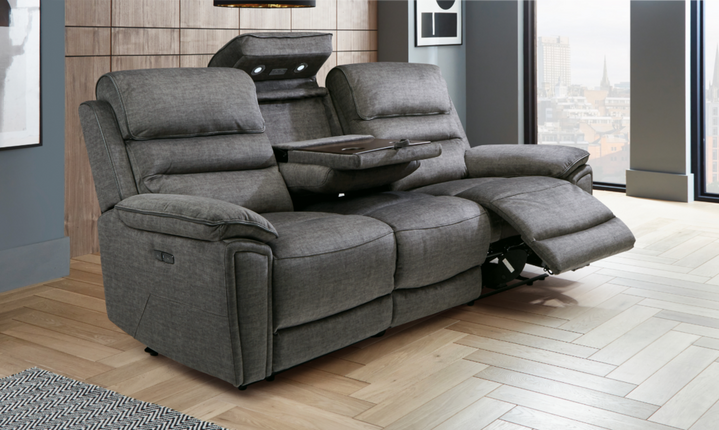
Essential Features for Seniors Living Alone
When considering how to choose a recliner for a senior who lives alone, certain features can make daily life safer and more comfortable:
- Lift Mechanism: Lift chairs gently raise the user to a standing position, reducing the risk of falls and strain. For more details on their advantages, see this overview of lift chair benefits.
- Remote Controls: Look for large, easy-to-read buttons. Some remotes are backlit or color-coded for added clarity.
- Reclining Angles: Multiple positions allow for customized comfort, whether reading, napping, or watching TV.
- Upholstery: Choose materials that are easy to clean and non-slip. Microfiber and certain leathers are popular for their durability and low maintenance.
- Battery Backup: Some recliners offer battery backup, ensuring the chair can return to an upright position during a power outage—a key safety feature for those living alone.
Comparing Recliner Types for Solo Seniors
Not all recliners are created equal. Here’s a quick comparison of the main types suitable for older adults who value independence:
| Type | Best For | Key Benefits |
|---|---|---|
| Manual Recliner | Active seniors with good mobility | Simple, no power required, often lighter |
| Power Recliner | Those with limited strength or dexterity | Easy operation, multiple positions, remote control |
| Lift Chair | Individuals needing help standing up | Assists with standing, reduces fall risk, often includes power recline |
For seniors with balance challenges, you might also find value in this guide on how to choose a recliner for a senior with balance issues.

Safety, Certification, and Maintenance Tips
Safety is paramount for seniors living alone. Before making a purchase, check for recognized safety certifications. For a detailed look at what to verify, review this article on how to check a recliner’s safety certifications.
- Placement: Position the recliner away from stairs or uneven flooring. Ensure there’s enough space for the chair to fully recline and for easy access from all sides.
- Routine Checks: Inspect moving parts and power cords regularly. Address any unusual noises or resistance right away.
- Cleaning: Follow the manufacturer’s instructions for cleaning upholstery and mechanical parts. This helps maintain both hygiene and function.
- Extra Height: If the recliner is too low, consider safe ways to add height. For guidance, see these tips for using a recliner with a cushion for extra height.
Making the Final Decision: Comfort, Budget, and Personal Needs
Ultimately, the best recliner is one that fits the user’s body, lifestyle, and budget. Here are a few final tips:
- Test Before Buying: If possible, visit a showroom to try different models. Check how easy it is to operate the controls and transition from sitting to standing.
- Consider Delivery and Setup: Some retailers offer white-glove delivery, which includes setup and removal of old furniture—an important convenience for seniors living alone.
- Budget Wisely: While advanced features can add to the cost, they often provide significant value in terms of safety and independence.
- Read Reviews: Look for feedback from other seniors or caregivers to get a sense of real-world performance and reliability.
By focusing on these practical aspects and prioritizing safety, you can help ensure that the recliner you select will support both comfort and confidence for years to come.
Frequently Asked Questions
What is the safest type of recliner for an elderly person living alone?
Lift chairs are generally considered the safest option for seniors who live independently. They assist with standing up and sitting down, reducing the risk of falls. Look for models with sturdy construction, anti-tip features, and easy-to-use controls for maximum safety.
How do I know if a recliner is the right size for a senior?
The ideal recliner allows the user’s feet to rest flat on the floor with knees at a 90-degree angle. The back should be fully supported, and the seat depth should not cause slouching. Testing the chair in person is the best way to ensure a proper fit.
Are power recliners or manual recliners better for seniors living alone?
Power recliners are often preferred because they require less physical effort and can be operated with a simple remote. This is especially helpful for those with limited strength or mobility. However, manual recliners may be suitable for active seniors who do not have difficulty operating levers or handles.