

Adding a cushion to your recliner can be a simple way to increase seat height, improve comfort, and make standing up or sitting down easier—especially for seniors or those with mobility challenges. However, using extra padding isn’t as straightforward as just placing any pillow on the seat. There are important considerations for safety, ergonomics, and long-term comfort. This article offers practical advice and expert insights on how to safely and effectively use a cushion for added height in your favorite reclining chair.
Before making any adjustments, it’s wise to understand the safety standards and certifications for your recliner. For a detailed overview, see how to check a recliner’s safety certifications. Ensuring your chair is stable and secure is the foundation for any modifications.
Why Add a Cushion for Extra Height?
Many people find that their recliner sits too low, making it difficult to get in and out comfortably. This is especially true for seniors, individuals with joint pain, or anyone recovering from surgery. By using a cushion to raise the seat, you can:
- Reduce strain on knees and hips when standing up or sitting down
- Improve posture and alignment while seated
- Customize the chair’s fit for different users
- Enhance overall comfort, especially during long periods of sitting
However, it’s important to choose the right type of cushion and use it correctly to avoid compromising the recliner’s stability or your own safety.
Choosing the Right Cushion for Your Recliner
Not all cushions are suitable for use on a recliner. Here are some factors to consider when selecting the best option:
- Material: Look for high-density foam or memory foam cushions, which provide firm support and retain their shape over time.
- Thickness: A cushion that is 2–4 inches thick is usually sufficient to add noticeable height without making the seat unstable.
- Size and Shape: Choose a cushion that fits the seat base snugly and does not hang over the edges. Some are designed specifically for lift chairs or recliners.
- Non-Slip Base: A cushion with a non-slip bottom can help prevent sliding as you shift or recline.
- Washable Cover: For easy maintenance, opt for a cushion with a removable, washable cover.
Before purchasing, measure your recliner’s seat to ensure a good fit. If you’re unsure, consult the manufacturer’s guidelines or look for cushions marketed for use with reclining chairs.
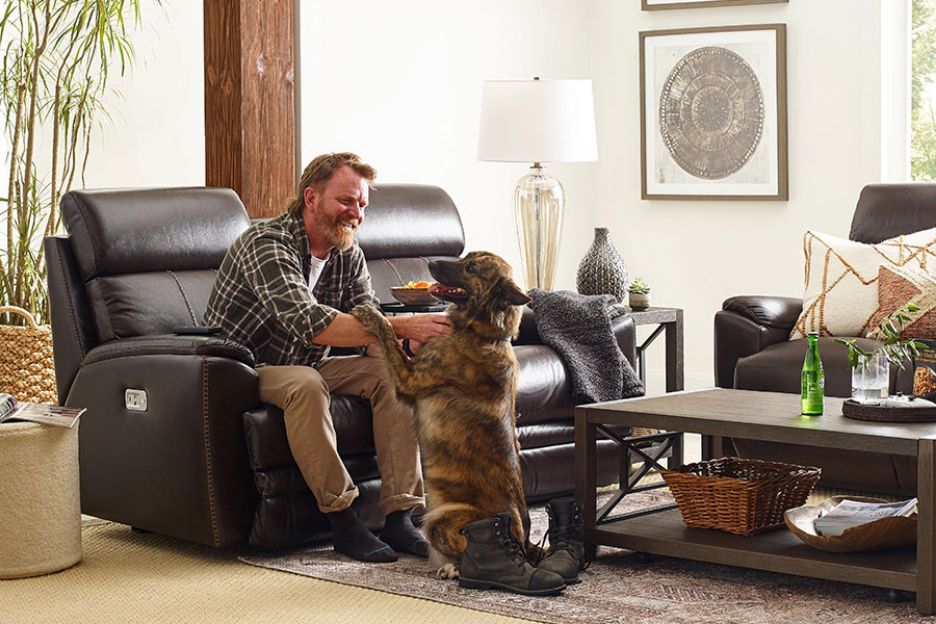
How to Safely Use a Cushion for Added Seat Height
Once you have selected a suitable cushion, follow these steps to ensure safe and comfortable use:
- Position the Cushion Correctly: Place the cushion squarely on the seat, making sure it is centered and stable. Avoid stacking multiple cushions, as this can increase the risk of slipping.
- Test Stability Before Use: Sit down slowly and check that the cushion does not move or slide. Stand up and sit down a few times to confirm it stays in place.
- Adjust the Recliner Mechanism: Some recliners may feel different with added height. Test the reclining and footrest functions to ensure smooth operation. If you notice any resistance or instability, remove the cushion and reassess.
- Monitor for Wear and Tear: Over time, cushions can compress or lose their shape. Inspect regularly for signs of flattening or damage, and replace as needed to maintain support.
- Maintain Cleanliness: Wash the cushion cover as recommended to keep your seating area hygienic and fresh.
For those who use a recliner with a footrest extension, ensure the added height does not interfere with the extension’s movement or your ability to rest your legs comfortably.
Benefits of Using Extra Height in Recliners
Adding height to your recliner can offer several advantages, especially for seniors or individuals with limited mobility. Some of the main benefits include:
- Easier Transfers: A higher seat reduces the distance you need to lower or lift yourself, making standing up or sitting down less strenuous.
- Improved Circulation: Sitting at the right height can help maintain proper blood flow in the legs, reducing the risk of numbness or swelling.
- Enhanced Comfort: Customizing the seat height allows for better posture and less pressure on joints.
- Greater Independence: Seniors and those with physical limitations can use their recliner more confidently and with less assistance.
For more on the advantages of reclining chairs for older adults, see this comprehensive guide to the benefits of reclining chairs for the elderly.
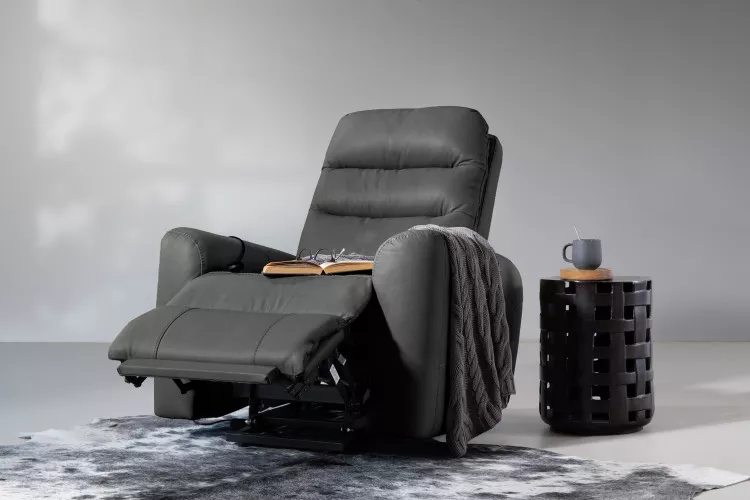
Common Mistakes to Avoid When Using Cushions for Height
While adding a cushion is a practical solution, there are some pitfalls to avoid:
- Using Inappropriate Cushions: Avoid soft, unstable, or overly thick pillows that can compress unevenly or slide out of place.
- Ignoring Recliner Mechanisms: Some chairs may not function properly with added height. Always check that reclining and footrest features still operate smoothly.
- Neglecting Regular Checks: Over time, cushions can wear out or lose their non-slip properties. Inspect and replace as needed.
- Blocking Airflow: Some recliners have ventilation or heating features. Ensure the cushion does not obstruct these functions.
Maintaining your recliner is also crucial. If spills occur, follow a senior care cleaning guide to keep your chair in top condition.
Extra Tips for Comfort and Safety
- Choose a cushion with a non-slip backing to prevent shifting.
- Test the chair’s stability after adding the cushion, especially if you use a lift or power recliner.
- Consider a cushion with a handle for easy removal and repositioning.
- If you have a remote-controlled recliner, learn about the benefits of a simple one-touch remote for added convenience.
- Consult with a physical therapist or occupational therapist if you have specific mobility needs or medical concerns.
Remember, the goal is to enhance both comfort and safety. Take time to find the right cushion and monitor its performance over time.
Frequently Asked Questions
What type of cushion is best for increasing recliner seat height?
High-density foam or memory foam cushions designed for seating are ideal. They provide firm, stable support and are less likely to compress unevenly. Look for options with a non-slip base and a washable cover for best results.
Is it safe to use a cushion on a power or lift recliner?
Yes, as long as the cushion fits securely and does not interfere with the chair’s mechanisms. Always test the chair’s functions after adding the cushion and avoid using overly thick or unstable padding.
How much height can I safely add to my recliner with a cushion?
Generally, adding 2–4 inches is safe for most users. Adding more than this may affect stability or make the chair uncomfortable. Always check the manufacturer’s recommendations and test the chair after making adjustments.
How do I keep the cushion from sliding off the recliner?
Choose a cushion with a non-slip bottom or add a non-slip mat underneath. Make sure the cushion fits the seat base properly and avoid stacking multiple cushions.
Can I use a regular pillow instead of a seat cushion?
It’s not recommended. Regular pillows are usually too soft and can compress unevenly, increasing the risk of slipping or poor support. Use a cushion specifically designed for seating and support.