

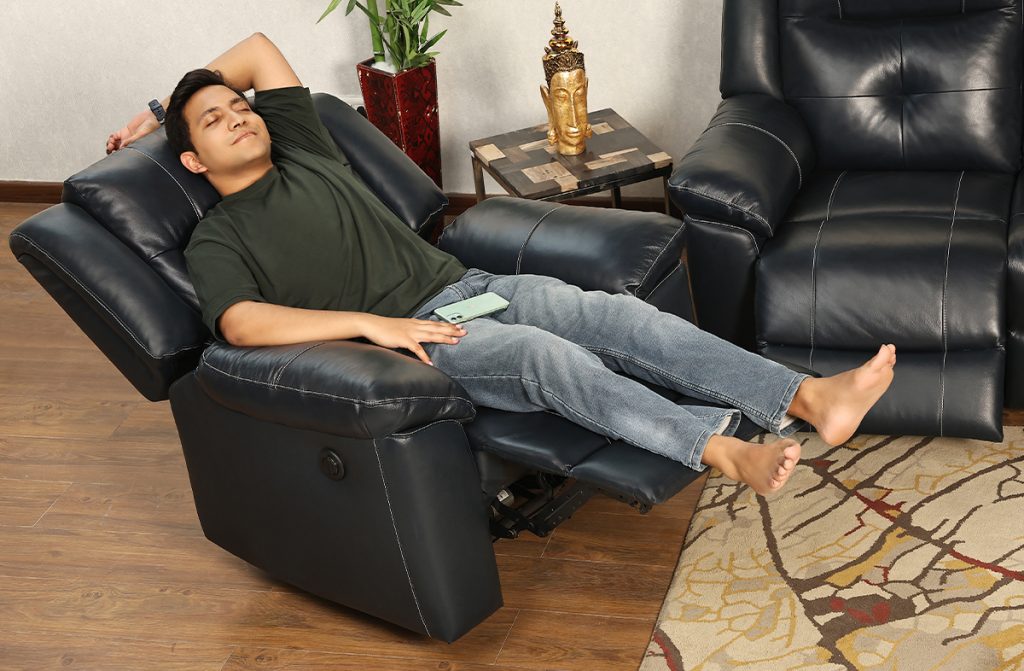
Finding the right recliner for an older adult with postural challenges can make a significant difference in their comfort, health, and daily quality of life. As people age, posture often declines due to muscle weakness, joint stiffness, or medical conditions. The right seating solution can help support the spine, reduce pain, and encourage better alignment. This guide covers how to choose a recliner for a senior with poor posture, focusing on essential features, ergonomic considerations, and practical tips to ensure safety and comfort.
Before diving into the key factors, it’s helpful to understand how recliners can benefit seniors. Recliners with proper support can promote relaxation, relieve pressure points, and assist with standing or sitting. For those interested in optimizing their seating experience, you may also find value in these tips for using a recliner with a cushion for extra height, which can further enhance comfort and accessibility.
Why Posture Matters for Seniors
Poor posture in older adults is more than just a cosmetic issue. It can lead to chronic pain, reduced mobility, breathing difficulties, and increased risk of falls. A recliner that addresses these concerns can help maintain independence and well-being. When selecting a chair, it’s crucial to look for features that provide lumbar support, encourage upright sitting, and minimize slouching.
Many seniors spend extended periods seated, so the right recliner can play a vital role in daily comfort and health. Choosing wisely can prevent further postural decline and support rehabilitation efforts if needed.
Key Features to Look for in a Recliner for Poor Posture
When considering how to choose a recliner for a senior with poor posture, focus on the following features to ensure optimal support and usability:
- Adjustable Lumbar Support: Look for models with built-in lumbar cushions or adjustable mechanisms to maintain the natural curve of the lower back.
- Firm, Supportive Seat Base: A seat that is too soft can encourage slumping. A firmer base helps keep the pelvis aligned and supports the spine.
- High Backrest: A tall backrest supports the entire spine, neck, and head, reducing the tendency to lean forward or sideways.
- Recline Angles: Multiple recline positions allow users to find the most comfortable and supportive angle for their needs.
- Easy-to-Use Controls: Seniors with limited dexterity benefit from simple, intuitive controls. For added convenience, see the benefits of a simple one-touch remote for senior users.
- Sturdy Armrests: Well-padded, stable armrests help with getting in and out of the chair and provide additional support while seated.
- Lift Mechanism (Optional): Lift chairs gently raise the user to a standing position, reducing strain on joints and muscles.
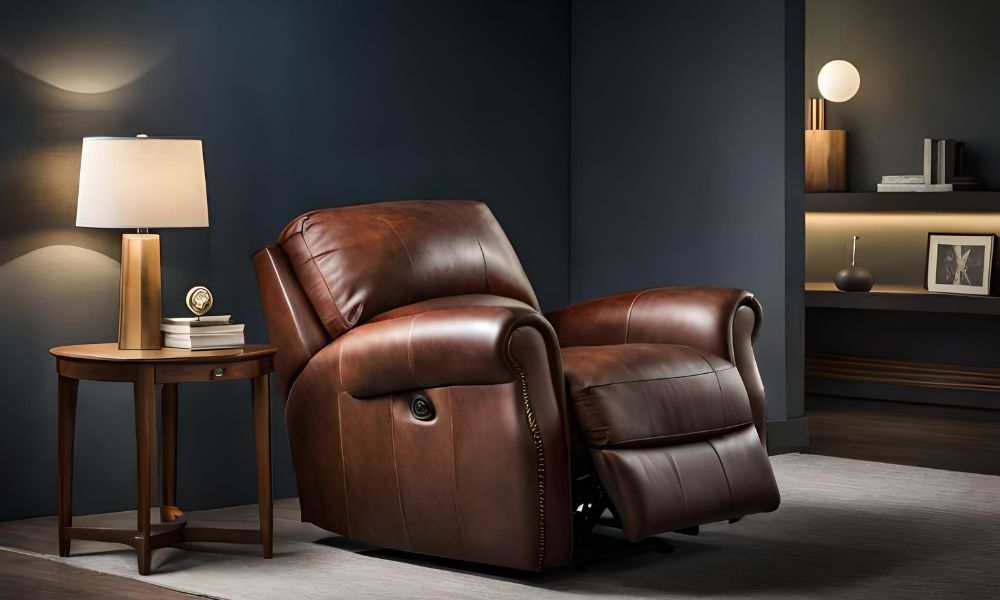
Ergonomic Considerations for Seniors With Postural Challenges
Ergonomics is the science of designing furniture to fit the user’s body. For older adults with posture issues, ergonomic features are especially important. Here’s what to keep in mind:
- Seat Height: The chair should allow the user’s feet to rest flat on the floor with knees at a right angle. If extra height is needed, consider safe cushion solutions.
- Seat Depth: The depth should support the thighs without pressing into the back of the knees. Too deep a seat can cause slouching, while too shallow may not offer enough support.
- Backrest Angle: A slight recline (100–110 degrees) is often most comfortable and supportive for the spine.
- Headrest Position: Adjustable headrests can prevent the neck from straining forward or sideways.
For more on safety and standards, you can review how to check a recliner’s safety certifications to ensure the product meets necessary guidelines.
Materials and Build Quality
The construction and materials of a recliner influence both comfort and durability. Seniors with posture concerns should look for:
- High-Density Foam: Provides firm, lasting support and resists sagging over time.
- Breathable Upholstery: Materials like microfiber or leatherette are easy to clean and comfortable for long periods.
- Sturdy Frame: A solid wood or metal frame ensures stability and safety, especially for users who need to push off when standing.
Regular cleaning and maintenance are also important for hygiene and longevity. For practical advice, see how to clean a recliner after a spill for step-by-step guidance.

Safety and Ease of Use
Safety is a top priority when selecting a recliner for someone with postural issues. Here are some ways to ensure the chair is both safe and user-friendly:
- Stable Base: Wide, non-slip feet or a solid base prevent tipping.
- Accessible Controls: Controls should be within easy reach and simple to operate, especially for those with arthritis or limited hand strength.
- Lift Assistance: Lift recliners are ideal for users who struggle to stand up from a seated position.
- Easy-to-Clean Surfaces: Spills and accidents are easier to manage with wipeable fabrics.
For more guidance on choosing the right chair for different needs, check out this article on how to choose a recliner for a senior with balance issues.
Additional Tips for Selecting the Best Recliner
Beyond the main features, consider these practical tips to ensure the best fit:
- Test Before You Buy: If possible, have the senior try out the chair in person to check comfort and ease of use.
- Measure Your Space: Make sure the recliner fits comfortably in the intended room, with enough clearance to fully recline.
- Check Warranty and Return Policy: Look for brands that offer robust warranties and flexible return options in case the chair doesn’t meet expectations.
- Read Reviews: Customer feedback can provide insight into real-world comfort and durability.
For more information on the health benefits of recliners for older adults, you can visit this comprehensive overview of reclining chairs for seniors.
FAQ
What type of recliner is best for seniors with spinal issues?
For those with spinal concerns, a recliner with adjustable lumbar support, a high backrest, and a firm seat base is ideal. Lift chairs can also help reduce strain when standing up or sitting down.
How do I know if a recliner provides enough support?
A supportive recliner should maintain the spine’s natural curve, allow the feet to rest flat on the floor, and prevent slouching. Testing the chair in person or reading detailed product descriptions and reviews can help ensure the right fit.
Are power recliners better than manual ones for seniors?
Power recliners offer easier adjustment and are especially helpful for those with limited strength or mobility. They often include features like lift assistance and one-touch controls, making them more accessible for many seniors.
How can I make a recliner more comfortable for someone with posture problems?
Adding supportive cushions, adjusting the recline angle, and ensuring the chair is the right size can all help. For more ideas, see these tips for using a recliner with a cushion for extra height.
What should I do if the recliner gets stained or soiled?
Choose a model with easy-to-clean upholstery and follow specific care instructions. For step-by-step cleaning advice, refer to how to clean a recliner after a spill.
By considering these factors and focusing on ergonomic support, safety, and ease of use, you can confidently select a recliner that helps improve comfort and posture for seniors. A well-chosen chair can make daily life easier and more enjoyable for those facing postural challenges.