

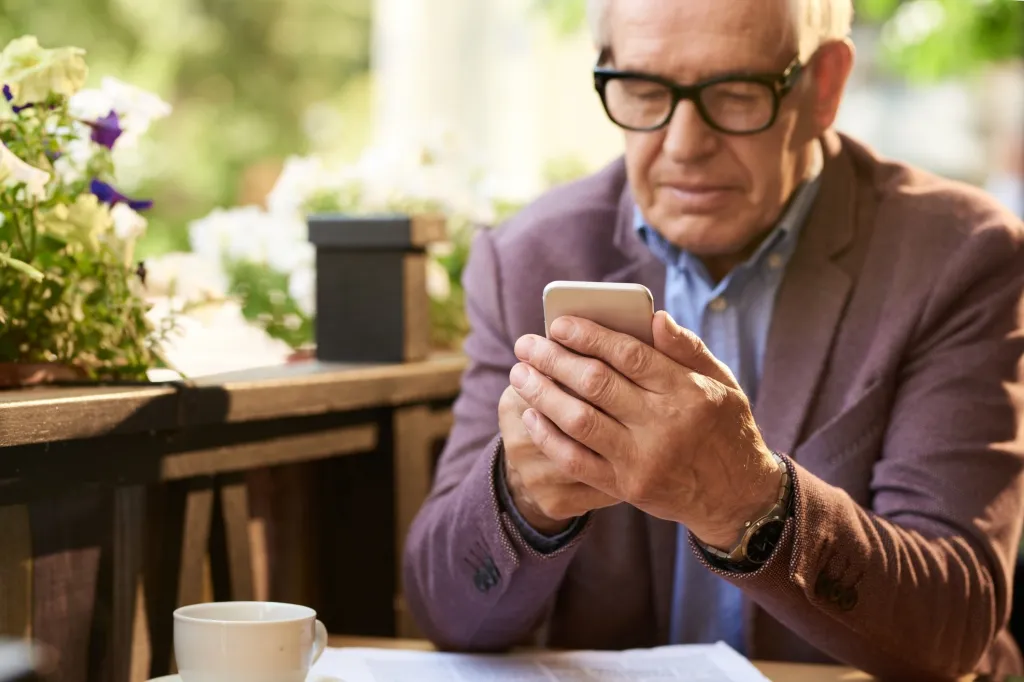
Managing diabetes can be challenging, especially for older adults who may have vision, dexterity, or memory concerns. Smart glucose monitors are transforming how seniors track and control their blood sugar, offering features that make daily monitoring more accessible and less stressful. These advanced devices connect to smartphones or tablets, automatically log readings, and can even share data with family or healthcare providers. For older adults and their caregivers, this technology brings peace of mind and helps support better health outcomes.
In this guide, we’ll explore how these innovative blood sugar meters work, what features make them ideal for seniors, and how to choose the right device. We’ll also highlight related health technology, such as blood pressure monitors with apps, that can further support independent living and well-being.
How Connected Glucose Meters Work
Traditional blood sugar meters require manual logging and can be difficult for seniors to use consistently. In contrast, smart glucose monitors use Bluetooth or Wi-Fi to sync readings directly to a mobile device. Most come with a companion app that stores results, tracks trends, and can send reminders for testing. Some models even allow for voice guidance or large, easy-to-read displays, making them especially user-friendly for those with vision or dexterity issues.
Key benefits of these devices include:
- Automatic Data Logging: No more writing down numbers—results are saved instantly.
- Trend Tracking: Apps can display graphs and patterns, helping users and doctors spot issues early.
- Easy Data Sharing: Seniors can securely share results with caregivers or healthcare teams.
- Reminders and Alerts: Built-in notifications help ensure tests aren’t missed.
Many seniors also benefit from pairing these monitors with other health tech, such as medical alert systems for seniors or home monitoring systems for elderly parents, to create a comprehensive safety net at home.
Top Features to Look for in Senior-Friendly Devices
Not all connected blood sugar meters are created equal. When selecting a device for an older adult, it’s important to consider features that enhance usability and safety. Here are some of the most valuable options:
- Large, High-Contrast Displays: Easy-to-read screens help those with vision changes.
- Simple One-Touch Operation: Fewer buttons and clear instructions reduce confusion.
- Voice Prompts: Spoken instructions can guide users through the testing process.
- Long Battery Life: Less frequent charging is ideal for forgetful users.
- Automatic Strip Ejection: Minimizes handling for those with arthritis or limited dexterity.
- App Compatibility: Ensure the device works with both Android and iOS, or with a tablet like the GrandPad.
Some seniors may also appreciate devices that integrate with other wellness trackers, such as pedometers or blood pressure monitors, for a more complete picture of their health. For those interested in the latest technology, this guide to essential tech gadgets for seniors is a helpful resource.
Benefits of Smart Diabetes Management for Older Adults
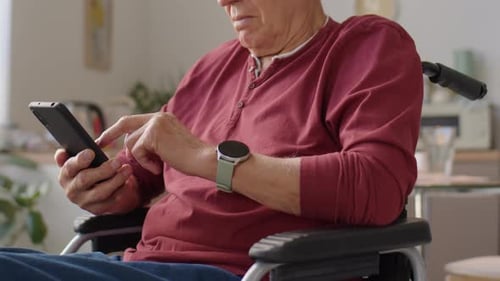
Using a smart glucose monitor can make a significant difference in the daily lives of seniors. The convenience of automatic tracking and reminders helps reduce errors and missed tests. For those managing multiple medications or health conditions, these devices can simplify routines and reduce stress.
Additional advantages include:
- Improved Communication: Family members and caregivers can receive updates, making it easier to spot trends or concerns.
- Better Doctor Visits: Detailed logs help healthcare providers adjust treatment plans more accurately.
- Increased Independence: Seniors can manage their health with less hands-on assistance, supporting confidence and autonomy.
- Motivation: Seeing progress and receiving positive feedback from apps can encourage healthy habits.
For active seniors, combining a glucose meter with GPS medical alert devices or fall detection devices for elderly users can further enhance safety both at home and on the go.
Choosing the Right Device: What to Consider
With many options available, it’s important to match the device to the user’s needs and lifestyle. Here are some tips for selecting the best fit:
- Assess Tech Comfort: Choose a device with a simple interface if the user is new to smartphones or tablets.
- Check Insurance Coverage: Some smart meters and their test strips may be covered by Medicare or private insurance.
- Read Reviews: Look for feedback from other seniors or caregivers about ease of use and reliability.
- Consider App Features: Make sure the companion app offers reminders, easy data sharing, and works on the user’s preferred device.
- Test Customer Support: Responsive support can make setup and troubleshooting much easier.
Many seniors find it helpful to bring a family member or caregiver into the decision process, ensuring the device will be easy to use and maintain over time.
Integrating Glucose Tracking with Other Health Technologies
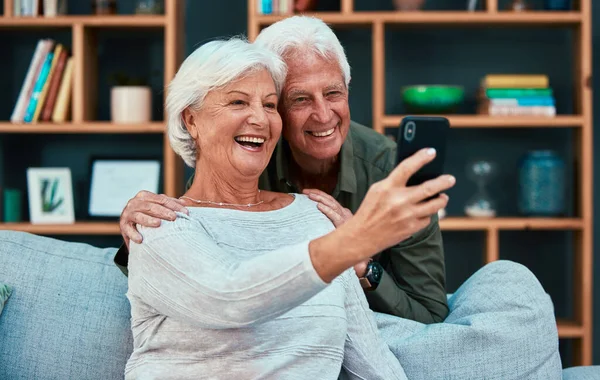
For seniors managing diabetes, integrating blood sugar monitoring with other digital health tools can provide a more complete view of wellness. Many connected meters can sync with fitness trackers, medication reminders, and even emergency alert systems. This integration supports proactive care and helps seniors stay independent longer.
For example, pairing a glucose meter with a pedometer watch can encourage regular activity, while using a tablet like the GrandPad can make it easier to view results and communicate with loved ones. Those interested in a broader approach to health monitoring can explore home monitoring systems for elderly parents for added peace of mind.
Frequently Asked Questions
Are smart glucose monitors accurate for seniors?
Most modern devices are highly accurate when used according to instructions. It’s important to use compatible test strips and calibrate the device if required. Seniors should consult their healthcare provider to ensure the device is appropriate for their needs.
Can family members access glucose readings remotely?
Yes, many connected meters allow users to share data through their companion apps. Family members or caregivers can receive updates, view trends, and help manage care from a distance, which is especially helpful for seniors living alone.
What should I do if I have trouble using a smart glucose monitor?
If setup or daily use is confusing, reach out to the device’s customer support or ask a family member for help. Many manufacturers provide video tutorials or step-by-step guides. Choosing a device with strong customer support and clear instructions can make a big difference.
Conclusion
Connected glucose meters are making diabetes management simpler and safer for older adults. With features like automatic logging, easy data sharing, and user-friendly interfaces, these devices empower seniors to take charge of their health. By considering individual needs and integrating with other health technologies, seniors and their families can enjoy greater confidence and independence in daily life.