

Ensuring the well-being of aging loved ones is a growing concern for many families. As parents age, their desire for independence often remains strong, but safety and peace of mind become top priorities. Home monitoring systems for elderly parents offer a practical solution, allowing seniors to live comfortably at home while providing family members with reassurance through real-time updates and alerts.
Modern technology has transformed the way we care for older adults. From smart sensors to emergency response devices, there are now a wide range of options designed to support seniors’ safety, health, and independence. This guide explores the key features, benefits, and considerations when choosing a monitoring solution for your family.

Families looking for additional safety devices may also want to explore options like the best panic buttons for seniors, which can complement a home monitoring setup.
Why Consider Remote Monitoring for Aging Loved Ones?
As seniors choose to age in place, risks such as falls, missed medications, or medical emergencies become more pressing. Home monitoring systems for elderly parents address these concerns by providing:
- 24/7 oversight without compromising privacy or independence
- Immediate alerts for falls, inactivity, or unusual behavior
- Medication reminders and health tracking
- Two-way communication for quick check-ins
- Peace of mind for family and caregivers, even from a distance
These systems can be tailored to a senior’s specific needs, whether they live alone, have mobility challenges, or require regular health monitoring.
Key Features to Look for in Senior Home Monitoring Solutions
Choosing the right system involves understanding which features will best support your loved one’s lifestyle and health. Here are some important aspects to consider:
- Fall Detection: Many devices use motion sensors or wearable technology to automatically detect falls and send alerts to caregivers.
- Activity Monitoring: Track daily routines, such as movement between rooms, sleep patterns, or time spent outdoors, to spot changes that may indicate health issues.
- Emergency Response: Quick access to help through panic buttons or voice-activated devices ensures immediate assistance during emergencies.
- Medication Management: Reminders and alerts help prevent missed doses, supporting better health outcomes.
- Environmental Sensors: Detect smoke, carbon monoxide, or unusual temperature changes for added safety.
- Easy Communication: Devices with video calling, messaging, or voice assistants help seniors stay connected with family and friends.
When evaluating options, prioritize systems that are simple to use, require minimal maintenance, and offer reliable customer support.
Types of Monitoring Devices for Senior Safety
There are several categories of technology designed to support older adults at home. The most common include:
- Wearable Devices: Smartwatches and pendants can track steps, detect falls, and provide emergency call functions. Many are waterproof and have long battery life.
- In-Home Sensors: Discreet motion or door sensors monitor movement and can alert caregivers if routines change or if there’s a lack of activity.
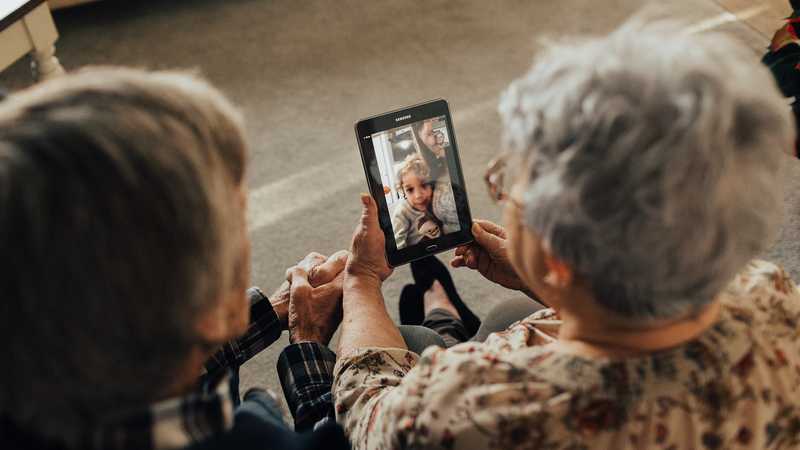
- Video and Audio Communication: Tablets and smart displays allow for easy video calls, medication reminders, and even entertainment. Devices like the GrandPad are designed specifically for seniors, with simplified interfaces and large buttons.
- Environmental Monitors: Smoke, CO, and flood detectors add another layer of protection, especially for those with mobility or hearing challenges.
Combining different types of devices can create a comprehensive safety net, tailored to your parent’s unique needs.
Benefits of Using Home Monitoring Technology for Seniors
Adopting these solutions offers several advantages for both seniors and their families:
- Enhanced Independence: Seniors can maintain their routines and privacy while knowing help is always available.
- Reduced Caregiver Stress: Family members receive timely updates and alerts, allowing them to respond quickly if something is wrong.
- Early Detection of Health Issues: Changes in activity or sleep patterns can signal potential problems, prompting early intervention.
- Cost Savings: Proactive monitoring can help delay or avoid the need for assisted living or nursing home care.
For those interested in mobility aids with advanced features, consider reading about smart canes for seniors or best electric wheelchairs with smart features to further support independence.
How to Choose the Right Monitoring System
When selecting a solution, keep the following factors in mind:
- Ease of Use: Devices should have simple controls, clear displays, and minimal setup requirements.
- Compatibility: Ensure the system works with your home’s Wi-Fi and any existing smart devices.
- Privacy: Look for options that respect the senior’s privacy, with customizable settings for cameras and data sharing.
- Support: Choose companies with reliable customer service and technical support.
- Scalability: Consider whether the system can be expanded with additional sensors or features as needs change.
It’s also wise to involve your parent in the decision-making process to ensure they feel comfortable and confident using the technology.
Integrating Monitoring with Other Senior-Friendly Technologies
Combining home monitoring systems for elderly parents with other supportive devices can further enhance safety and quality of life. For example, pairing a monitoring solution with mobility scooters with GPS allows for safe travel outside the home, while walking aids with lights improve nighttime mobility indoors and outdoors.
For communication, seniors may benefit from devices designed specifically for ease of use, such as those highlighted in this guide to easy-to-use smartphones for seniors. These tools can help bridge the gap between safety and social connection, reducing feelings of isolation.
Common Concerns and Solutions
Some families worry about privacy, technology fatigue, or overwhelming their loved ones with too many devices. Here are a few tips to address these concerns:
- Start Simple: Introduce one device at a time, focusing on the most important need first (such as fall detection or medication reminders).
- Customize Settings: Many systems allow you to adjust notification frequency, camera access, and data sharing to respect privacy.
- Offer Training: Take time to demonstrate how devices work and provide written instructions for reference.
- Monitor Feedback: Regularly check in with your parent to see how they feel about the technology and make adjustments as needed.
With the right approach, technology can empower seniors to live safely and independently, while keeping families connected and informed.
FAQ: Home Monitoring for Seniors
What is the best type of monitoring system for elderly parents living alone?
The most effective solutions often combine several features, such as fall detection, emergency response, and activity tracking. Wearable devices paired with in-home sensors provide comprehensive coverage, while easy-to-use tablets enable communication and reminders.
Are these systems difficult for seniors to use?
Many modern devices are designed with seniors in mind, featuring large buttons, simple interfaces, and voice controls. Look for products with clear instructions and reliable customer support to ensure a smooth experience.
How do I balance privacy with safety when using monitoring technology?
Choose systems that allow for customizable privacy settings, such as disabling cameras in private areas or limiting data sharing. Involve your parent in the setup process and discuss which features they are comfortable using.
Can these systems help with medication management?
Yes, many monitoring solutions include medication reminders, alerts for missed doses, and even automatic pill dispensers. These features support adherence to treatment plans and reduce the risk of missed medications.
What should I do if my parent resists using new technology?
Start by explaining the benefits and demonstrating how the device works. Involve them in the selection process and address any concerns about privacy or complexity. Gradual introduction and ongoing support can help ease the transition.