


Staying independent and active is important for many older adults, but safety concerns can be a real challenge—especially when living alone or enjoying activities outside the home. GPS medical alert devices are designed to provide peace of mind for both seniors and their loved ones by combining emergency response with real-time location tracking. These advanced tools help ensure that help is always within reach, whether at home, in the neighborhood, or while traveling.
With the evolution of wearable technology and mobile health solutions, more seniors are turning to smart devices that offer both freedom and protection. In this article, we’ll explore how these systems work, what features to look for, and how they compare to other safety aids. If you’re interested in additional mobility solutions, you might also want to read about mobility scooters with GPS for enhanced travel safety.
Understanding How GPS Medical Alert Systems Work
Unlike traditional home-based alert buttons, GPS medical alert devices use satellite technology to pinpoint the user’s location. Most models are wearable—such as pendants, watches, or wristbands—and include a built-in speaker and microphone for two-way communication. When the emergency button is pressed, the device connects to a monitoring center or a designated contact, transmitting the wearer’s exact location so help can be dispatched quickly.
This technology is especially valuable for active seniors who enjoy walking, shopping, or socializing outside the home. If a fall, sudden illness, or disorientation occurs, responders can locate the individual even if they’re unable to describe their whereabouts. Some devices also allow caregivers or family members to check the user’s location through a secure app or web portal.
Key Features to Look for in Modern Safety Devices
Choosing the right alert system involves more than just GPS tracking. Here are some important features to consider when selecting a device for yourself or a loved one:
- Fall Detection: Many devices can automatically detect a fall and call for help, even if the wearer is unable to press the button.
- Two-Way Communication: Built-in microphones and speakers allow direct conversation with emergency operators or family members.
- Long Battery Life: Look for devices that can last several days on a single charge, especially for active users.
- Water Resistance: Devices should be safe to wear in the shower or during outdoor activities.
- Discreet Design: Lightweight, comfortable wearables are more likely to be used consistently.
- Caregiver Access: Some systems offer apps or online dashboards for real-time tracking and alerts.
For those interested in additional safety and mobility tools, consider exploring smart canes for seniors or the best panic buttons for seniors to complement your safety plan.
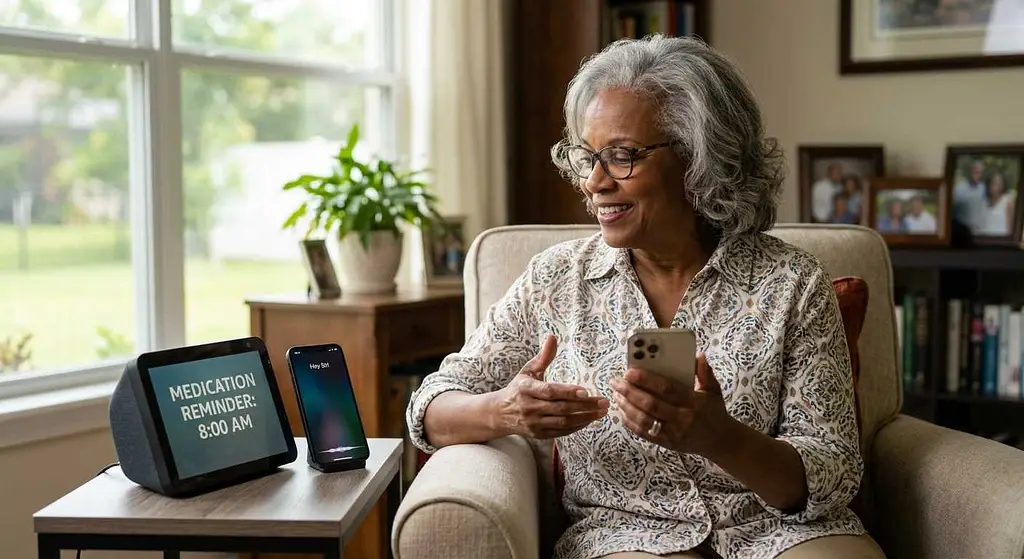
Benefits for Active Older Adults and Their Families
For seniors who value independence, wearable alert systems offer significant advantages:
- Peace of Mind: Both users and their families know that help is available at the press of a button, whether at home or on the go.
- Increased Confidence: Seniors can participate in activities, errands, and social events without worrying about being unable to get help if needed.
- Faster Emergency Response: GPS tracking allows responders to locate the user quickly, even if they’re unable to communicate their location.
- Support for Memory Loss: For those with dementia or mild cognitive impairment, location tracking can help prevent wandering and ensure timely assistance.
Families also benefit from the ability to monitor loved ones remotely, receive alerts, and check in as needed. These features can reduce anxiety and support aging in place for longer.
Comparing GPS-Based Alert Devices to Other Safety Solutions
While GPS medical alert devices are ideal for active lifestyles, it’s important to compare them with other available options. Traditional home-based alert systems are effective for those who spend most of their time indoors, but they lack mobility and tracking capabilities. On the other hand, smart mobility aids like walking aids with lights and electric wheelchairs with smart features can enhance safety and independence, but may not offer emergency communication or location tracking.
Wearable GPS alert systems bridge this gap by combining emergency support with real-time location awareness, making them a strong choice for seniors who are frequently out and about.
Choosing the Right Device for Your Needs
When selecting a wearable alert system, consider the user’s lifestyle, health needs, and comfort with technology. Some seniors may prefer a simple pendant with a single emergency button, while others might appreciate additional features like step tracking, medication reminders, or integration with smart home systems. Reading reviews and comparing models can help narrow down the best fit.
For those seeking more information on accessible technology, check out this guide to the best phones for seniors for additional communication options.
It’s also a good idea to involve the user in the decision-making process. Comfort, ease of use, and personal preferences play a big role in ensuring the device is worn consistently and used effectively.
Frequently Asked Questions
How do GPS-enabled alert devices differ from traditional medical alert systems?
While both types provide emergency assistance, GPS-enabled options allow users to call for help from virtually anywhere and transmit their real-time location. Traditional systems typically work only within the home and do not offer location tracking.
Are these devices suitable for seniors with memory issues?
Yes, many wearable alert systems are designed with features that support those with memory loss or dementia. Location tracking can help caregivers locate a loved one quickly if they wander or become lost, and some systems allow for geofencing alerts if the user leaves a designated safe area.
What should I consider when choosing a wearable alert device?
Key factors include battery life, comfort, ease of use, water resistance, fall detection, and the quality of customer support. It’s also helpful to compare monthly monitoring fees and contract terms before making a decision.
Can these devices be used internationally?
Some models support international coverage, but many are limited to specific regions or countries. Always check the manufacturer’s details regarding coverage areas if you plan to travel abroad.
Conclusion
Modern GPS medical alert devices offer a practical solution for seniors who want to maintain an active lifestyle while staying safe. By providing immediate access to help and real-time location tracking, these devices empower older adults and offer reassurance to families. Whether you’re considering a wearable alert system for yourself or a loved one, taking the time to compare features and understand your options can make all the difference in supporting independence and well-being.