


As the population ages, ensuring the safety and independence of older adults becomes increasingly important. Fall detection devices for elderly users have advanced rapidly, offering peace of mind to families and caregivers while empowering seniors to live confidently. These smart solutions can automatically detect falls, alert emergency contacts, and even provide location tracking, making them essential for anyone concerned about senior safety.
This guide explores the top-rated options for 2026, comparing features, reliability, and ease of use. Whether you’re looking for a wearable device, a smart home solution, or an all-in-one emergency system, understanding the latest innovations can help you make an informed choice. For those interested in related safety technology, you may also want to read about the best panic buttons for seniors and smart canes for seniors to further enhance daily living.
Why Reliable Fall Detection Matters for Seniors
Falls are a leading cause of injury among older adults, often resulting in hospitalization or long-term health complications. Quick response is critical, especially for those living alone or with limited mobility. Modern fall detection devices for elderly users use sensors and algorithms to identify sudden movements or impacts, triggering alerts to caregivers or emergency services within seconds.
Unlike traditional medical alert systems that require manual activation, these devices provide automatic protection, reducing the risk of delayed help. Many models also integrate with smartphones or tablets, offering real-time updates and easy communication for family members.
Top Features to Look for in Senior Fall Detection Technology
Choosing the right solution involves more than just fall alerts. Here are some essential features to consider when evaluating options:
- Automatic Fall Detection: The core function, using motion sensors and AI to distinguish between normal activity and actual falls.
- GPS Location Tracking: Enables responders to locate the user quickly, especially useful for active seniors who spend time outdoors.
- Two-Way Communication: Built-in speakers and microphones allow direct conversation with emergency contacts or monitoring centers.
- Water Resistance: Devices that can be worn in the shower or bath provide continuous protection where many falls occur.
- Long Battery Life: Extended battery ensures the device remains operational between charges, minimizing downtime.
- Comfort and Discreet Design: Wearables should be lightweight and easy to use, encouraging daily wear without discomfort.
Some advanced models also offer medication reminders, fitness tracking, or integration with other smart home devices. For those seeking mobility aids with additional safety features, check out the latest walking aids with lights and best electric wheelchairs with smart features.
Leading Fall Detection Devices for Seniors in 2026
The market for fall detection devices for elderly users is more competitive than ever, with several standout products offering unique benefits. Here’s a closer look at some of the most trusted choices for the coming year:
- Smart Wearable Pendants: These lightweight devices are worn around the neck and use advanced accelerometers to detect falls. Many models offer automatic alerts, GPS tracking, and water resistance. Their discreet design makes them a favorite among seniors who prefer minimal intrusion.
- Wrist-Based Monitors: Similar to fitness trackers, these devices combine step counting, heart rate monitoring, and fall detection. They often include touchscreens and can sync with smartphones for added functionality. Some models even offer medication reminders and daily activity summaries.
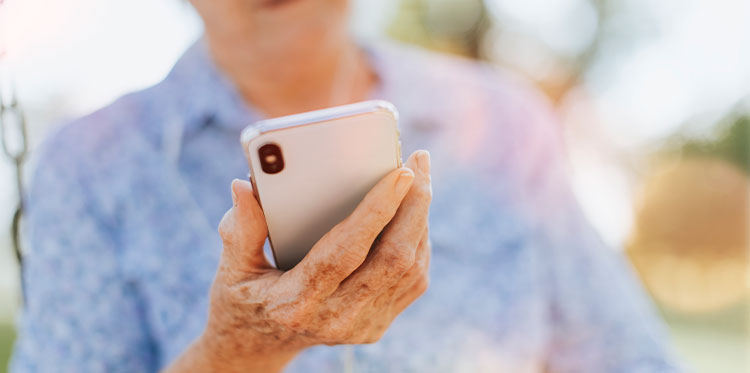
- Smartphones and Tablets with Fall Detection Apps: For tech-savvy seniors, certain smartphones and tablets now include built-in fall detection or support third-party apps. Devices like the GrandPad Tablet are specifically designed for older adults, featuring simplified interfaces and emergency call buttons.
- Home-Based Sensors: These systems use wall-mounted sensors or smart cameras to monitor movement throughout the home. They are ideal for those who may forget to wear a device or have limited mobility, providing coverage in high-risk areas like bathrooms and stairways.
For a broader look at senior-friendly technology, see this comprehensive review of the best phones for seniors in 2026.
How to Choose the Right Device for Your Needs
When selecting a fall detection solution, consider the user’s lifestyle, comfort, and specific health conditions. Here are some practical tips to guide your decision:
- Assess daily routines: Active seniors may benefit from GPS-enabled wearables, while those mostly at home might prefer stationary sensors.
- Check compatibility: Ensure the device works with existing smartphones or home systems if integration is important.
- Evaluate support and monitoring: Some products offer 24/7 professional monitoring, while others rely on family notifications.
- Test usability: Look for simple controls, clear displays, and easy charging or battery replacement.
- Review subscription fees: Many devices require ongoing service plans for full functionality—factor this into your budget.
It’s also wise to involve the senior in the decision-making process, ensuring the chosen device fits their preferences and comfort level. For those seeking enhanced mobility, mobility scooters with GPS are another excellent option to consider.

Tips for Setting Up and Using Fall Detection Solutions
Proper setup and regular maintenance are crucial for reliable performance. Here’s how to get the most out of your chosen device:
- Read the user manual thoroughly and follow all setup instructions.
- Test the device regularly to ensure fall detection and alerts are functioning as expected.
- Keep contact information up to date within the device or app.
- Charge wearable devices as recommended to avoid downtime.
- Encourage consistent use, especially during high-risk activities or when alone.
Many providers offer customer support and online tutorials to assist with installation and troubleshooting. Don’t hesitate to reach out if you encounter any issues.
Frequently Asked Questions
Are fall detection devices accurate in real-world situations?
Modern devices use advanced sensors and algorithms to distinguish between actual falls and normal movements. While no system is perfect, top-rated models have significantly reduced false alarms and missed incidents. Regular testing and proper wear can further improve accuracy.
Do these devices require a monthly subscription?
Many fall detection devices for elderly users offer basic functionality without a subscription, but features like 24/7 monitoring, GPS tracking, or automatic emergency calls often require a service plan. Always check the product details and pricing before purchasing.
Can fall detection be integrated with other senior safety technology?
Yes, many solutions can be paired with smart home systems, medical alert buttons, or mobility aids. For example, pairing a fall detector with emergency panic buttons or GPS-enabled scooters can provide comprehensive safety coverage.
Conclusion
Staying safe and independent is a top priority for older adults and their families. With the latest fall detection devices for elderly users, it’s easier than ever to provide reliable, automatic protection at home and on the go. By understanding the available features, comparing top products, and choosing a solution that fits your needs, you can ensure peace of mind and greater freedom for your loved ones in 2026 and beyond.