

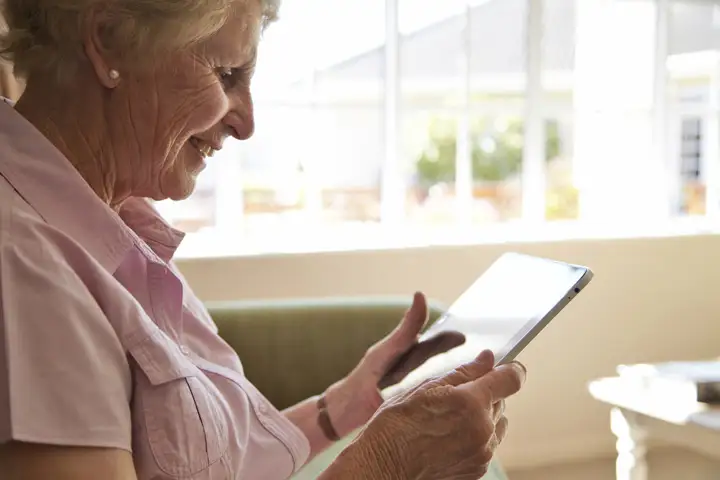
For older adults, keeping track of health indicators at home can make a significant difference in daily well-being and peace of mind. Among the most useful tools available today are pulse oximeters for seniors, which offer a simple way to monitor blood oxygen saturation and pulse rate. These compact devices are especially helpful for those managing chronic conditions, recovering from illness, or simply wanting to stay proactive about their health.
With the growing popularity of home health technology, many families are seeking guidance on which tools are most effective and how to use them safely. This article explores the benefits of fingertip oxygen monitors, how they work, what features to look for, and how they fit into a broader approach to senior wellness. For those interested in a comprehensive approach to home safety and health, you might also consider home monitoring systems for elderly parents as a complementary solution.
Understanding Oxygen Monitoring Devices for Older Adults
Pulse oximeters are small, non-invasive devices that clip onto a finger and provide a quick reading of blood oxygen saturation (SpO2) and heart rate. For seniors, these readings can be crucial, especially for those living with respiratory illnesses such as COPD, asthma, or heart conditions. By offering real-time feedback, these monitors help users and caregivers spot potential issues before they become emergencies.
Unlike more complex medical equipment, fingertip oximeters are designed for ease of use. Most models display results within seconds and require no special training. This simplicity makes them an ideal choice for older adults who may not be comfortable with complicated technology.
Why Pulse Oximeters Are Valuable for Seniors
There are several reasons why pulse oximeters for seniors have become a staple in many households:
- Early Detection: Monitoring oxygen levels can alert users to drops in SpO2 before symptoms become severe, allowing for timely intervention.
- Chronic Disease Management: Individuals with heart or lung conditions can track their status daily, helping doctors adjust treatment plans as needed.
- Peace of Mind: Regular checks reduce anxiety for both seniors and family members, especially after hospital stays or during illness recovery.
- Support for Telehealth: Many healthcare providers now ask patients to report home readings during virtual visits, making these devices even more relevant.
For those interested in a broader range of tools, exploring remote health monitoring devices can provide additional ways to track vital signs and stay connected with care teams.

Key Features to Look for in Oxygen Level Monitors
When choosing a pulse oximeter for an older adult, certain features can make the experience safer and more comfortable:
- Large, Clear Display: Easy-to-read numbers are essential for those with vision challenges.
- One-Button Operation: Simple controls reduce confusion and make daily use straightforward.
- Lightweight and Comfortable: Devices should fit snugly but not pinch, and be light enough for fragile fingers.
- Reliable Accuracy: Look for models with FDA clearance or strong user reviews for consistent results.
- Battery Life: Long-lasting batteries or rechargeable options minimize the need for frequent changes.
- Automatic Shutoff: This feature helps conserve battery and adds convenience.
Some advanced models also offer Bluetooth connectivity, allowing readings to sync with smartphones or tablets. This can be especially helpful for sharing data with healthcare providers or family members. For those interested in integrating more technology into daily routines, resources like tech gifts for elderly family members offer additional ideas for making life easier and safer.
How to Use a Pulse Oximeter Safely at Home
Using a fingertip oxygen monitor is straightforward, but a few best practices ensure accurate readings:
- Wash hands and make sure the finger is clean and warm.
- Sit still and relax for a few minutes before taking a measurement.
- Place the device on the index or middle finger, nail side up.
- Wait for the display to stabilize before recording the numbers.
- Remove nail polish or artificial nails, as these can interfere with the sensor.
If readings are consistently below 92% or if symptoms like shortness of breath, chest pain, or confusion occur, seek medical advice promptly. Remember, these devices are designed for monitoring, not diagnosis. Always consult with a healthcare professional for interpretation and next steps.

Integrating Oxygen Level Checks Into a Senior Health Routine
Regular use of a pulse oximeter can be part of a broader wellness plan. Many families combine oxygen monitoring with other smart devices, such as blood pressure monitors with apps and medical alert systems for seniors. This integrated approach helps track trends over time and provides a fuller picture of overall health.
For those at risk of falls or living alone, pairing an oxygen monitor with fall detection devices for elderly users offers additional safety and reassurance. The goal is to empower older adults to live independently while staying connected to loved ones and healthcare providers.
Tips for Choosing the Right Device
With many options on the market, selecting the best pulse oximeter for an older adult can feel overwhelming. Here are a few tips to guide your decision:
- Read customer reviews, focusing on ease of use and reliability.
- Check for clear instructions and accessible customer support.
- Consider the user’s comfort with technology—some may prefer basic models, while others enjoy app connectivity.
- Look for warranties or satisfaction guarantees for added peace of mind.
Remember, the best device is one that fits seamlessly into daily routines and encourages regular use without causing frustration.
FAQ
How often should seniors check their oxygen levels at home?
For most older adults, daily checks are sufficient, especially if they have a chronic respiratory or heart condition. However, the frequency may vary based on doctor recommendations or changes in health status. It’s important to follow a healthcare provider’s advice on monitoring schedules.
Are fingertip oxygen monitors accurate for home use?
Most modern pulse oximeters provide reliable readings when used correctly. Accuracy can be affected by cold fingers, poor circulation, or nail polish. For best results, follow the manufacturer’s instructions and consult with a healthcare professional if readings seem inconsistent.
Can these devices replace regular doctor visits?
No, pulse oximeters are intended for monitoring, not diagnosis. They are a helpful tool for tracking trends and alerting users to potential issues, but they do not replace professional medical evaluations or treatment. Always consult a doctor for interpretation of results and medical advice.
Conclusion
Fingertip oxygen monitors offer a practical, affordable way for older adults and their families to stay informed about vital health indicators. By choosing a user-friendly model and integrating it into a daily routine, seniors can gain confidence and maintain independence. Combined with other smart health devices and regular communication with healthcare providers, these tools support safer, healthier aging at home.