

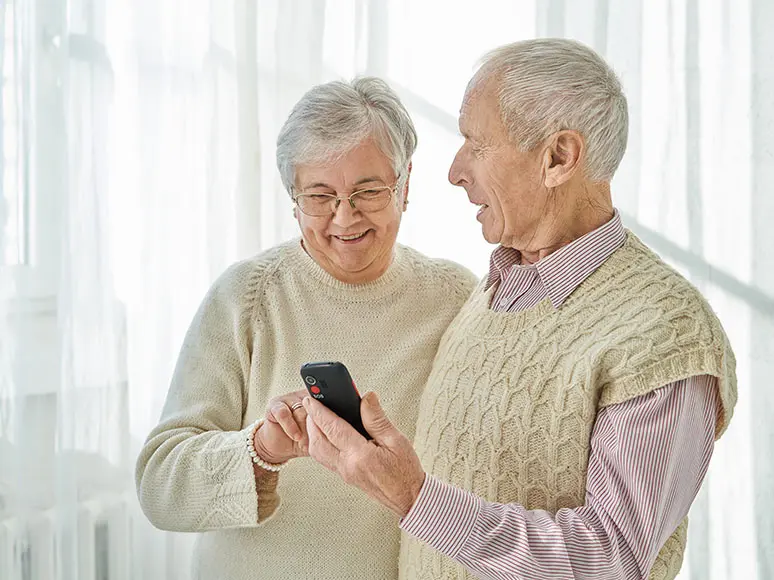
Getting quality sleep is essential for maintaining overall health, especially as we age. Many older adults face challenges like frequent awakenings, changes in sleep patterns, or difficulty falling asleep. Fortunately, modern technology offers practical solutions. Sleep trackers designed for seniors can provide valuable insights into nightly rest, helping users and caregivers make informed decisions to improve sleep quality and overall well-being.
This guide explores the top options for monitoring sleep in older adults, what features matter most, and how to choose a device that fits your lifestyle. If you’re interested in other health monitoring tools, you may also want to explore remote health monitoring devices for comprehensive wellness tracking at home.
Why Sleep Tracking Matters for Older Adults
As people age, sleep patterns naturally change. Seniors may experience lighter sleep, more awakenings, or less time spent in restorative deep sleep. These changes can impact energy, memory, and even heart health. Monitoring sleep with the right device can help identify patterns, track improvements, and alert users to potential health concerns.
For caregivers and family members, sleep data can offer peace of mind and support better care decisions. By understanding how much and how well someone is sleeping, it’s easier to adjust routines, medications, or seek medical advice when necessary.
Key Features to Look for in Senior-Friendly Sleep Trackers
Not all sleep monitors are created equal, and the needs of older adults are unique. Here are the most important features to consider when searching for the best sleep trackers for seniors:
- Ease of Use: Large displays, simple controls, and clear instructions make a big difference.
- Comfort: Lightweight wristbands, clip-on devices, or under-mattress sensors are ideal for sensitive skin or arthritis.
- Battery Life: Long-lasting batteries reduce the need for frequent charging, which is especially helpful for those with memory concerns.
- Automatic Tracking: Devices that start and stop tracking automatically are more convenient and less likely to be forgotten.
- Data Sharing: The ability to share sleep reports with family or healthcare providers can be invaluable.
- Compatibility: Some trackers pair with senior-friendly smartphones or tablets, such as those found on easy-to-use mobile devices for seniors.
Top Sleep Tracking Devices for Seniors
Below are some of the most recommended options for older adults who want to monitor their sleep. Each device offers a blend of comfort, accuracy, and senior-friendly features.
Wearable Trackers: Watches and Bands
Wearable devices are among the most popular choices for tracking sleep. They are typically worn on the wrist and can monitor movement, heart rate, and sleep cycles. Many models are designed with senior comfort in mind, offering adjustable straps and intuitive displays.
- Pedometer Watches: These often combine step counting with sleep tracking, making them a good all-in-one solution for active older adults.
- Fitness Bands: Slimmer than traditional smartwatches, fitness bands are lightweight and less intrusive during sleep.
Some wearables also integrate with health apps, allowing users to view trends over time and share data with caregivers. For those interested in broader health monitoring, consider pairing your sleep tracker with blood pressure monitors with apps for a more complete picture of wellness.
Non-Wearable Options: Under-Mattress and Bedside Sensors
For seniors who dislike wearing devices at night, non-wearable trackers are an excellent alternative. These sensors are placed under the mattress or on the nightstand and use motion or sound detection to monitor sleep patterns. They are completely unobtrusive and require no action from the user, making them ideal for those with sensitive skin or mobility issues.
- Under-Mattress Sensors: Track movement, breathing, and heart rate without any contact.
- Bedside Monitors: Use radar or sound to analyze sleep quality and duration.
These devices often sync with mobile apps or tablets, such as the GrandPad, for easy viewing of sleep reports.
How Sleep Trackers Support Better Health in Seniors
Using a sleep tracker can help identify issues such as insomnia, sleep apnea, or restless leg syndrome. By reviewing nightly data, older adults and caregivers can spot trends and make changes to routines, such as adjusting bedtime, limiting caffeine, or creating a more relaxing sleep environment. Some trackers even offer gentle alarms that wake users during light sleep, reducing grogginess in the morning.
For those managing chronic conditions, integrating sleep data with other health metrics—like blood pressure or oxygen levels—provides a more complete understanding of overall health. If you’re interested in monitoring additional health factors, explore pulse oximeters for seniors or smart glucose monitors for easy at-home tracking.
Tips for Choosing the Right Sleep Tracker
With so many options available, selecting the right device can feel overwhelming. Here are some practical tips to help you decide:
- Assess Comfort: Try different styles—wristbands, clip-ons, or under-mattress sensors—to find what feels best.
- Check Compatibility: Make sure the tracker works with your phone or tablet, especially if you use a senior-friendly device.
- Review Battery Life: Choose a model that fits your charging habits and memory needs.
- Consider Support: Look for brands with good customer service and easy-to-understand user manuals.
- Think About Data Sharing: If you want to share sleep reports with family or healthcare providers, confirm the device offers this feature.
Reading reviews and asking for recommendations from friends or caregivers can also help narrow down your choices.
Frequently Asked Questions
Are sleep trackers accurate for older adults?
Most modern sleep trackers provide a reliable overview of sleep patterns, including total sleep time, light and deep sleep, and wake periods. While they may not be as precise as clinical sleep studies, they offer valuable insights for daily use and can highlight trends that may warrant further medical attention.
Can sleep trackers detect sleep apnea or other disorders?
Some advanced devices can detect irregular breathing or heart rate patterns that may indicate sleep apnea or other conditions. However, these trackers are not a substitute for professional diagnosis. If a device suggests possible issues, consult a healthcare provider for further evaluation.
What is the easiest sleep tracker for seniors to use?
Many older adults prefer simple, automatic devices that require minimal setup. Under-mattress sensors and basic pedometer watches are often the easiest to use, as they don’t require interaction each night. Look for models with clear displays and straightforward apps for the best experience.
Conclusion
Choosing the right sleep tracker can make a significant difference in the quality of rest and overall health for older adults. By focusing on comfort, ease of use, and features designed with seniors in mind, it’s possible to find a device that fits seamlessly into daily routines. Whether you opt for a wearable or a non-contact sensor, consistent use and regular review of sleep data can empower seniors and caregivers to take proactive steps toward better sleep and improved well-being.