

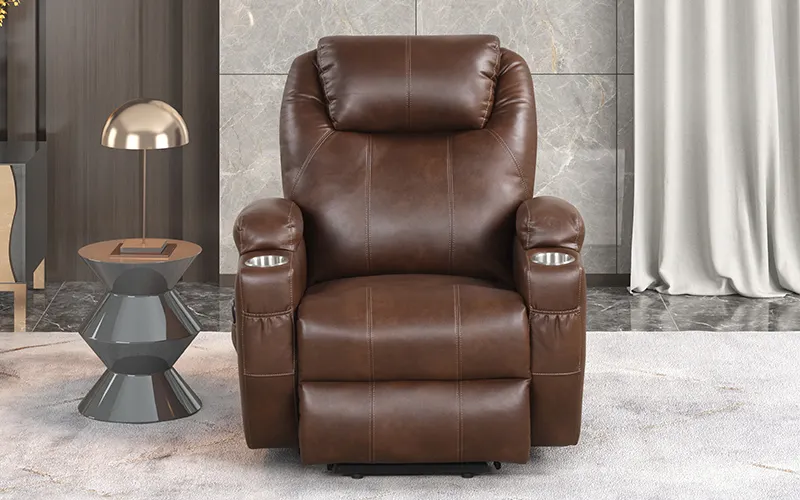
Choosing a recliner for your home, especially for seniors or those with mobility needs, involves more than just comfort and style. Ensuring the chair meets recognized safety certifications and standards is essential for peace of mind and long-term use. Understanding how to check a recliner’s safety certifications can help you make an informed decision, avoid unsafe products, and protect your loved ones from potential hazards.
This article provides a practical approach to verifying safety labels, understanding what certifications mean, and knowing where to look for reliable information. Whether you’re shopping for yourself or a family member, you’ll find actionable steps to assess recliner safety and ensure your purchase meets the highest standards.
For those interested in maximizing both safety and comfort, you may also want to explore tips for choosing a recliner with a footrest extension to further enhance your seating experience.
Why Recliner Safety Standards Matter
Recliners are popular for their ergonomic support and relaxation benefits, but poorly constructed models can pose risks such as tipping, pinching, or even electrical hazards in powered units. Recognized safety certifications help ensure that a recliner has undergone testing for structural integrity, fire resistance, and safe operation. This is especially crucial for seniors, children, or anyone with limited mobility who may rely on their chair daily.
By verifying that your recliner meets established safety benchmarks, you reduce the likelihood of accidents and ensure the product will last. Additionally, certified recliners often come with better warranties and customer support, reflecting the manufacturer’s confidence in their product’s safety and durability.
Key Recliner Safety Certifications and What They Mean
When learning how to check a recliner’s safety certifications, it’s important to recognize the most common marks and what they signify:
- UL (Underwriters Laboratories): Indicates electrical components (like motors or heating elements) have passed rigorous safety tests.
- CE (Conformité Européenne): Shows compliance with European health, safety, and environmental protection standards.
- ASTM International: Covers a broad range of furniture safety standards, including stability and mechanical durability.
- Greenguard Certification: Focuses on low chemical emissions, important for indoor air quality.
- California TB117-2013: Relates to fire safety for upholstered furniture sold in the United States.
These certifications are typically displayed on product labels, packaging, or in the user manual. If you’re shopping online, look for these marks in the product description or technical specifications section.
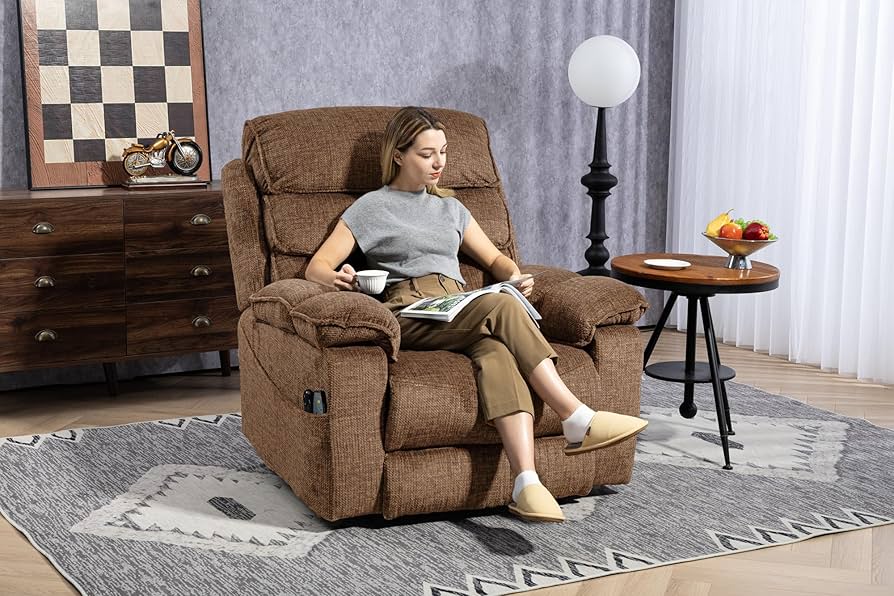
Where to Find Certification Information on Recliners
Manufacturers are required to display safety certifications in accessible locations. Here’s where you should look:
- Product Labels: Check under the seat, on the frame, or on the back of the recliner for certification stickers or tags.
- User Manual: The manual often lists all relevant safety standards and certifications, sometimes with official logos.
- Online Listings: Reputable retailers include certification details in the product description or technical specs.
- Manufacturer’s Website: Visit the official site for downloadable documentation or FAQs about safety compliance.
If you’re unable to locate this information, contact the manufacturer or retailer directly. A lack of visible certification details can be a red flag, especially for imported or generic brands.
Steps to Verify a Recliner’s Safety Credentials
To ensure your recliner meets recognized standards, follow these steps:
- Inspect Physical Labels: Look for certification marks on the chair itself. These are usually tamper-proof and difficult to counterfeit.
- Review Documentation: Read through the user manual and warranty card for references to safety testing and compliance.
- Check Online Resources: Use the model number to search the manufacturer’s website for certification details. Some brands provide downloadable certificates or test reports.
- Contact Customer Support: If in doubt, reach out to the manufacturer. Ask for proof of safety certification or clarification on compliance with specific standards.
- Research Third-Party Listings: Organizations like UL and ASTM maintain online databases where you can verify if a product or manufacturer is certified.
Being proactive in this process helps you avoid unsafe products and ensures you’re investing in a recliner that meets stringent safety requirements.

Common Safety Features to Look For
Beyond certifications, certain design features contribute to a safer recliner experience:
- Sturdy Frame: Solid wood or reinforced steel frames provide better stability and longevity.
- Non-Slip Feet: Rubber or textured feet prevent sliding on smooth floors.
- Anti-Tip Mechanisms: Some recliners include mechanisms to prevent tipping when fully reclined.
- Covered Moving Parts: Upholstery or guards over hinges and levers reduce the risk of pinching or entrapment.
- Fire-Resistant Materials: Look for foam and fabric that meet recognized flammability standards.
For those with specific health needs, such as respiratory conditions or post-stroke recovery, consider models designed for medical support. You can learn more about specialized options in articles like benefits of reclining for respiratory issues and how to choose a recliner for post-stroke recovery.
Red Flags: Signs a Recliner May Not Meet Safety Standards
While many recliners on the market are safe, there are warning signs to watch out for:
- No Visible Certification: If you can’t find any mention of safety testing, proceed with caution.
- Generic or Unfamiliar Brands: Lesser-known brands may skip safety testing to cut costs.
- Poor Construction: Wobbly frames, exposed staples, or sharp edges are indicators of subpar manufacturing.
- Missing Documentation: Lack of a user manual or warranty card can signal a lack of accountability.
- Unusually Low Price: While deals are attractive, extremely cheap recliners may compromise on safety features or materials.
Always prioritize safety over price, especially if the recliner will be used by seniors or individuals with limited mobility. For more insights on the pros and cons of different recliner types for older adults, see this guide on recliner chairs for elderly people.
Maintaining Recliner Safety Over Time
Even certified recliners require regular checks to ensure ongoing safety:
- Inspect Hardware: Tighten bolts and screws periodically to maintain stability.
- Check Electrical Components: For power recliners, inspect cords and motors for wear or damage.
- Clean Regularly: Remove dust and debris from moving parts to prevent jams or malfunctions. For cleaning tips, refer to how to clean a recliner after a spill.
- Monitor Upholstery: Look for tears or worn spots that could expose internal mechanisms.
Routine maintenance not only extends the life of your recliner but also helps you spot potential safety issues before they become serious problems.
FAQ
How can I tell if my recliner is certified for safety?
Look for official certification marks such as UL, CE, or ASTM on the product label, user manual, or manufacturer’s website. If you’re unsure, contact the manufacturer with the model number for verification.
Are safety certifications required for all recliners?
While not legally required for every recliner, certifications are strongly recommended, especially for power models or those intended for seniors. Certified products have been tested for hazards like tipping, electrical safety, and fire resistance.
What should I do if my recliner doesn’t have any visible safety labels?
If there are no visible certifications or documentation, reach out to the manufacturer for clarification. If they cannot provide proof of safety testing, it’s best to consider other options that clearly display compliance with recognized standards.
Do wall-hugger recliners have different safety standards?
Wall-hugger models are designed to save space and often have unique mechanisms. While the core safety standards are similar, always check for additional certifications related to their specific design. For more information, see benefits of a wall-hugger design for seniors.
By following these guidelines and understanding how to check a recliner’s safety certifications, you can confidently choose a chair that prioritizes both comfort and safety for years to come.