

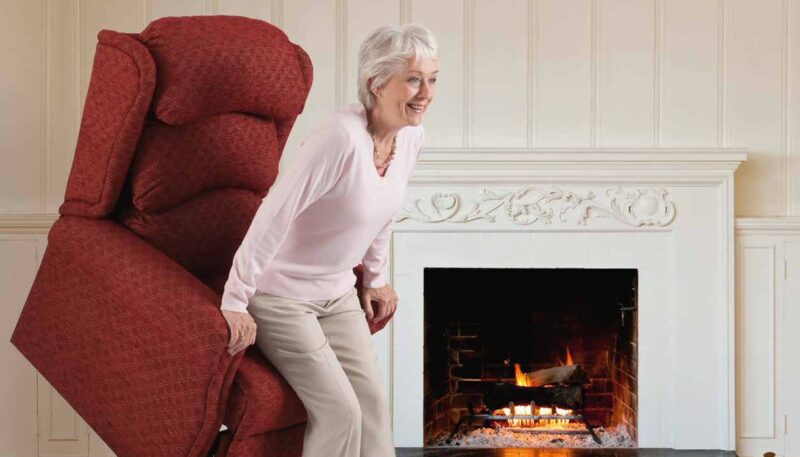
As living spaces become more compact and the needs of older adults evolve, furniture solutions that maximize comfort and efficiency are increasingly important. One such innovation is the wall-hugger recliner, a design that offers significant advantages for seniors, especially those residing in smaller homes, apartments, or assisted living environments. This article explores the benefits of a wall-hugger design for seniors, highlighting why this type of furniture is a practical and thoughtful choice for those seeking both comfort and space optimization.
For those considering a new recliner or lift chair, understanding the unique features of wall-hugger models can help you make an informed decision. If you’re also interested in related topics, such as the importance of a warranty for senior recliners, you’ll find valuable insights to guide your purchase.
Understanding Wall-Hugger Recliners and Their Space-Saving Advantage
Traditional recliners often require a considerable amount of clearance from the wall to fully extend, sometimes up to two feet or more. In contrast, wall-hugger recliners are engineered to move forward on their track as they recline, allowing them to be placed much closer to the wall—sometimes as little as four to six inches away. This innovative mechanism is especially beneficial in compact living areas, where every inch of floor space counts.
For seniors who may be downsizing or living in apartments, the ability to position a comfortable chair without sacrificing precious room is a clear advantage. This design also makes it easier to arrange other furniture and maintain clear pathways, which is crucial for mobility and safety.
Key Benefits of Wall-Hugger Recliners for Seniors
Let’s take a closer look at the main reasons why wall-hugger recliners are an excellent choice for older adults in smaller spaces:
- Maximized Floor Space: By requiring minimal clearance from the wall, these chairs free up valuable living area for other essentials or simply for easier movement.
- Improved Accessibility: The forward-gliding mechanism makes it easier for seniors to sit down and stand up, as the chair stays closer to the wall and doesn’t require awkward maneuvering.
- Enhanced Safety: With less need to reach or stretch to operate the recliner, the risk of tripping or losing balance is reduced—a critical consideration for fall prevention.
- Flexible Room Arrangement: Wall-huggers can be placed in tighter spots, such as near windows, in corners, or alongside other furniture, offering more layout options.
- Energy Efficiency: By keeping furniture away from heating or cooling vents (often located along walls), these chairs can help maintain better airflow and room temperature.

Comfort and Ergonomics: Supporting Senior Mobility
Comfort is a top priority for any seating, but it’s especially important for seniors who may spend extended periods sitting. Wall-hugger recliners are designed not only to save space but also to provide ergonomic support. Many models feature padded armrests, lumbar support, and easy-to-operate controls, making them suitable for individuals with arthritis or limited dexterity.
Some wall-hugger chairs also include lift mechanisms, which gently assist the user in standing up. This can be particularly helpful for those with mobility challenges or recovering from surgery. For more advice on choosing the right chair for specific needs, see our guide on tips for selecting a recliner for home hospice.
Style and Versatility for Modern Senior Living
Today’s wall-hugger recliners come in a variety of styles, fabrics, and finishes, allowing them to blend seamlessly with modern décor. Whether you prefer classic leather, easy-clean fabric, or contemporary colors, there’s a wall-hugger to match your taste and functional requirements. Many seniors appreciate the ability to customize their chair to suit both their comfort and aesthetic preferences.
For those concerned about maintenance, some models offer stain-resistant or removable covers. If you’re interested in low-maintenance options, explore our article on how to choose a recliner with easy-clean fabric for practical tips.

Choosing the Right Wall-Hugger Recliner for Your Needs
When selecting a wall-hugger recliner, consider the following factors to ensure the best fit for your space and lifestyle:
- Size and Dimensions: Measure your available space and check the chair’s footprint, both upright and fully reclined.
- Weight Capacity: Ensure the chair can safely support the intended user.
- Ease of Use: Look for intuitive controls, especially if the user has limited hand strength or vision.
- Material and Maintenance: Choose a fabric or finish that suits your cleaning preferences and any allergy considerations.
- Additional Features: Some models offer heat, massage, USB charging, or cup holders for added convenience.
Reading reviews and consulting with a healthcare professional can also help you make an informed choice. For those who require additional support, learning how to use a lift chair with a caregiver can further enhance safety and comfort.
Comparing Wall-Hugger Recliners to Traditional Models
While both wall-hugger and traditional recliners offer comfort, the main distinction lies in their space requirements and operational mechanisms. Wall-huggers are ideal for rooms where space is at a premium, while traditional models may be suitable for larger living areas. Seniors who value easy access and efficient use of space will likely find the wall-hugger design more accommodating.
For a broader perspective on seating options, you may want to explore the comprehensive guide to reclining chairs for elderly users, which covers various types and their respective benefits.
Additional Considerations: Warranty and Support
Investing in quality furniture is a significant decision, especially for seniors. It’s wise to consider not only the features of the chair but also the warranty and after-sales support. A strong warranty can provide peace of mind and protect your investment over time. For more on this topic, see our article on the importance of a warranty for senior recliners.
Frequently Asked Questions
What makes a wall-hugger recliner different from a standard recliner?
A wall-hugger recliner is designed to move forward as it reclines, requiring much less space between the chair and the wall. This contrasts with standard recliners, which need more clearance to fully extend, making wall-huggers ideal for smaller rooms.
Are wall-hugger recliners suitable for seniors with mobility challenges?
Yes, many wall-hugger recliners are equipped with features like lift assistance, easy-to-use controls, and ergonomic support, making them a practical choice for seniors with limited mobility or those recovering from surgery.
Can I find wall-hugger recliners in different styles and materials?
Absolutely. Wall-hugger recliners are available in a wide range of fabrics, leathers, and colors to match various décor preferences. Some models also offer easy-clean or hypoallergenic materials for added convenience.
How close can a wall-hugger recliner be placed to the wall?
Most wall-hugger recliners can be positioned as little as four to six inches from the wall, depending on the model. Always check the manufacturer’s recommendations for specific clearance requirements.
Is a wall-hugger recliner a good investment for seniors in assisted living?
For seniors living in smaller spaces or shared environments, a wall-hugger recliner offers both comfort and efficient use of space, making it a smart and practical investment.
In summary, the benefits of a wall-hugger design for seniors are clear: these chairs provide comfort, safety, and space-saving advantages that are especially valuable in compact living environments. By considering your specific needs and preferences, you can find a wall-hugger recliner that enhances both your comfort and your home’s functionality.