

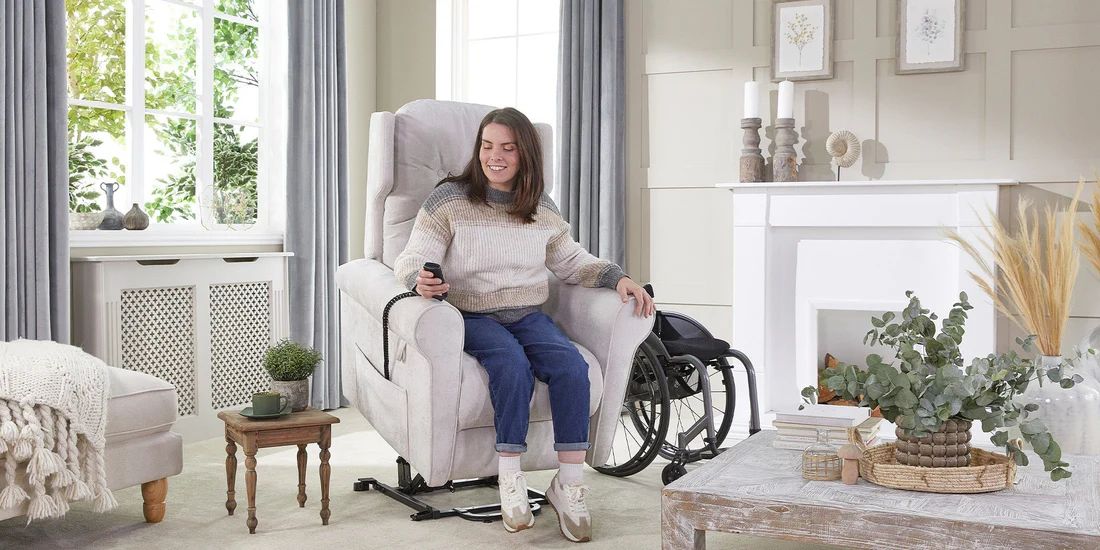
For individuals dealing with breathing difficulties or seeking improved rest, the benefits of reclining for respiratory issues are increasingly recognized by healthcare professionals and users alike. Reclined positions can help open airways, reduce pressure on the chest, and promote deeper, more restorative sleep. Whether you are managing chronic conditions like COPD, asthma, or sleep apnea, or simply want to enhance your nightly comfort, understanding the science and practical advantages of adjustable seating can make a significant difference in daily life.
Before diving into the specific ways reclining can support respiratory health and sleep quality, it’s important to consider how the right chair or bed can fit into your broader wellness strategy. For those choosing furniture for themselves or loved ones, factors such as warranty coverage and fabric options are also worth exploring. For more guidance on these topics, see our article on the importance of a warranty for senior recliners.
How Reclining Supports Respiratory Function
One of the most important advantages of reclining for breathing problems is the way it helps the lungs expand more fully. When you sit or lie flat, gravity can cause abdominal organs to press against the diaphragm, making it harder to take deep breaths. Reclining at an angle—especially between 30 and 45 degrees—reduces this pressure, allowing the diaphragm to move more freely and the lungs to inflate more completely.
For people with chronic obstructive pulmonary disease (COPD), congestive heart failure, or other respiratory conditions, this improved lung expansion can lead to easier breathing and less shortness of breath. Many respiratory therapists recommend adjustable beds or recliners as part of a comprehensive management plan.
Reducing Snoring and Sleep Apnea Symptoms
Snoring and obstructive sleep apnea are often caused by the collapse of soft tissues in the throat during sleep. Elevating the upper body with a recliner or adjustable bed can help keep airways open, reducing the likelihood of airway obstruction. This can lead to quieter nights and fewer interruptions in breathing, which is especially valuable for those who share a bedroom with a partner.
While specialized CPAP machines remain the gold standard for moderate to severe sleep apnea, many people with mild symptoms find that sleeping in a slightly upright position can make a noticeable difference in their sleep quality and daytime alertness.
Improved Sleep Quality Through Reclined Posture
Beyond respiratory benefits, reclined sleeping positions can also enhance overall rest. Elevating the head and legs can promote better circulation, reduce swelling in the lower extremities, and relieve pressure points that may cause discomfort during the night. This is particularly helpful for older adults or those recovering from surgery.
People who experience acid reflux or heartburn at night may also benefit from sleeping with their upper body elevated. Gravity helps keep stomach acid from rising into the esophagus, reducing nighttime discomfort and the risk of long-term complications.

Choosing the Right Recliner for Respiratory Relief
When selecting a recliner to help with breathing or sleep, there are several features to consider. Look for models that offer adjustable angles, sturdy support, and easy-to-use controls. Some chairs include lift functions, which can be especially helpful for those with limited mobility or who require assistance standing up.
Material choice is also important for comfort and hygiene. For tips on selecting a chair that’s easy to keep clean, see our guide on how to choose a recliner with easy-clean fabric.
It’s also wise to consider the height and depth of the seat, as well as the presence of supportive armrests and headrests. These factors can make a big difference in long-term comfort and ease of use, especially for seniors or those with chronic health conditions.
Additional Health Advantages of Reclined Seating
Aside from breathing and sleep improvements, reclining chairs can offer relief from back pain, joint stiffness, and swelling in the legs. By distributing body weight more evenly and reducing pressure on sensitive areas, recliners help prevent the development of pressure sores and promote better circulation.
For caregivers and family members, choosing a recliner with lift and tilt features can also make daily routines safer and less physically demanding. For more information on using these chairs in a caregiving context, see our article on how to use a lift chair with a caregiver.
Comparing Recliners and Adjustable Beds for Breathing Support
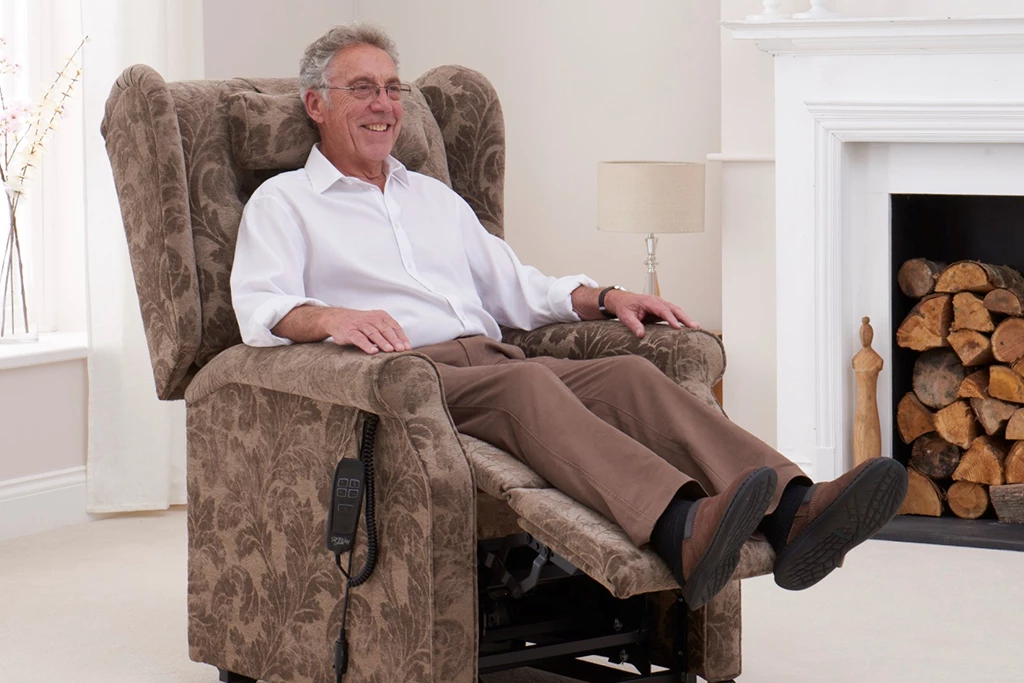
Both recliners and adjustable beds can provide similar health benefits, but each has its own strengths. Recliners are often more affordable, portable, and versatile for daytime use, while adjustable beds are ideal for those who need overnight support or who have difficulty getting in and out of traditional beds.
Some people find that using both—a recliner for daytime rest and an adjustable bed at night—offers the best of both worlds. Whichever option you choose, make sure it fits your space, lifestyle, and specific health needs.
For a comprehensive look at the advantages of electric lift recliners, you can read this detailed overview of electric lift recliner benefits.
Tips for Maximizing the Benefits of Reclined Positions
- Adjust gradually: Start with a slight incline and increase the angle as comfort allows. This helps your body adapt and prevents dizziness or discomfort.
- Use pillows or supports: Adding cushions behind the back or under the knees can enhance comfort and provide extra stability.
- Maintain good posture: Keep your head, neck, and spine aligned to reduce strain and maximize airway openness.
- Follow a bedtime routine: Consistent sleep habits, combined with a supportive recliner, can further improve rest and breathing.
For those considering a recliner for hospice or palliative care, our article on tips for selecting a recliner for home hospice offers practical advice tailored to these unique needs.
Frequently Asked Questions
Can reclining really help with breathing problems?
Yes, reclining at an angle can make it easier for the lungs to expand and for the diaphragm to move, which helps people with respiratory issues breathe more comfortably. This is especially helpful for those with COPD, heart failure, or other chronic lung conditions.
Is it safe to sleep in a recliner every night?
For many people, sleeping in a recliner is safe and can even be beneficial, especially if it helps relieve symptoms of sleep apnea, acid reflux, or breathing difficulties. However, it’s important to choose a chair that provides adequate support and to consult with a healthcare provider if you have concerns about circulation or pressure sores.
What features should I look for in a recliner for respiratory health?
Look for adjustable angles, sturdy construction, easy-to-clean materials, and supportive armrests and headrests. Lift functions can also be valuable for those with mobility challenges. For more information, see our article on the benefits of a high backrest for seniors.
Do recliners help with snoring?
Elevating the upper body in a reclined position can reduce snoring by keeping the airway open. This is particularly useful for people with mild sleep apnea or those who snore due to nasal congestion or allergies.
Conclusion
Reclined seating offers a practical, non-invasive way to support respiratory health and improve sleep quality. By choosing the right chair or bed and using it consistently, many people experience easier breathing, reduced snoring, and more restful nights. Whether you’re managing a chronic condition or simply want to sleep better, exploring the benefits of reclining for respiratory issues can be an important step toward greater comfort and well-being.