

Choosing the right recliner for a loved one receiving hospice support at home is a decision that can have a significant impact on their comfort and quality of life. The right chair provides not just a place to rest, but also essential support for mobility, pain relief, and daily care routines. With so many options available, it’s important to consider a range of factors to ensure the recliner meets both the patient’s and caregiver’s needs.
This guide shares tips for selecting a recliner for home hospice that address comfort, safety, and practical features. We’ll cover what to look for in terms of adjustability, materials, ease of cleaning, and more. If you’re also interested in maximizing safety, you may want to review these tips for avoiding recliner-related injuries to further support your decision-making process.
Why Comfort and Support Matter in Hospice Recliners
For individuals in hospice care, comfort is not just a luxury—it’s a necessity. A well-chosen recliner can help manage pain, reduce pressure points, and make it easier for caregivers to assist with daily activities. Look for chairs that offer:
- Adjustable positioning to support various activities, from sitting upright to reclining fully for rest.
- Ample padding and ergonomic design to minimize discomfort and promote relaxation.
- Sturdy armrests and a high backrest, which can provide additional support for those with limited mobility. For more on this, see the benefits of a high backrest for seniors.
Choosing a recliner that prioritizes both comfort and support can make a significant difference in the daily experience of someone receiving care at home.
Key Features to Look for When Choosing a Recliner
When reviewing tips for selecting a recliner for home hospice, it’s important to focus on features that enhance both comfort and usability. Here are some essential aspects to consider:
- Ease of Operation: Power lift recliners are highly recommended for hospice settings, as they help users stand up and sit down with minimal strain. Manual recliners may be suitable for those with more mobility, but powered options offer greater independence.
- Adjustable Recline Angles: The ability to customize the recline angle is crucial for pressure relief and comfort. Some models offer infinite positioning, which can be especially helpful for patients with specific medical needs.
- Sturdy Construction: A robust frame ensures safety and longevity. Check weight limits and verify that the chair is stable on various floor types.
- Accessible Controls: Large, easy-to-use buttons or remotes are ideal for those with limited dexterity or vision.
For caregivers, a chair that is easy to operate and move can make daily routines more manageable. If you’re working with a caregiver, you might also benefit from learning how to use a lift chair with a caregiver for optimal assistance.
Material Choices and Cleaning Considerations
In a home hospice environment, cleanliness and hygiene are top priorities. The material of the recliner should be easy to clean and resistant to stains. Look for:
- Water-resistant or wipeable fabrics that can handle spills and accidents.
- Removable and washable covers for added convenience.
- Antimicrobial treatments, which can help reduce the risk of infection.
Choosing the right upholstery can make maintenance much simpler. For more detailed advice, check out this resource on how to choose a recliner with easy-clean fabric.
Size, Space, and Mobility Needs
Before purchasing, measure the space where the recliner will be placed. Consider:
- Whether the chair will fit comfortably in the room, especially if space is limited.
- How much clearance is needed for the chair to fully recline.
- Whether the recliner is lightweight or has wheels for easier repositioning.
For those living in smaller homes or apartments, you may want to explore tips on how to choose a recliner for a small apartment to ensure a good fit without sacrificing comfort.
Additional Features for Enhanced Comfort and Safety
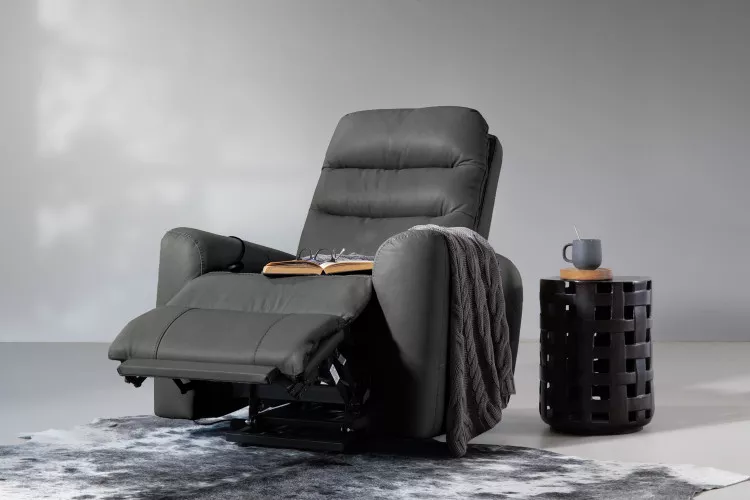
Some recliners offer extra features that can be especially helpful in a hospice setting. Consider these options:
- Heat and massage functions to help with pain relief and relaxation.
- Side pockets for storing remotes, medications, or reading materials.
- USB charging ports for convenience.
- Backup battery systems to ensure the chair works during power outages.
These features can improve both comfort and independence, making daily life a little easier for those in hospice care.
Balancing Budget and Quality
While it’s important to find a recliner that fits your budget, don’t compromise on essential features. Investing in a quality chair can prevent injuries and improve overall well-being. If you’re interested in the health benefits of these chairs, you may find this article on the benefits of reclining chairs for the elderly especially informative.
When comparing options, consider the long-term value of features like power lift, easy-clean fabric, and robust construction. These can make a significant difference in comfort and safety over time.
Frequently Asked Questions
What type of recliner is best for someone in home hospice care?
Power lift recliners are often recommended because they assist with standing and sitting, which reduces strain on both the patient and caregiver. Look for models with adjustable positions, sturdy construction, and easy-to-clean materials.
How do I maintain hygiene with a hospice recliner?
Choose a chair with water-resistant or wipeable upholstery, and consider options with removable covers. Regular cleaning and disinfecting, especially of high-touch areas, will help maintain a safe and comfortable environment.
Are there safety features I should look for in a hospice recliner?
Yes. Features like anti-tip design, stable bases, accessible controls, and backup battery systems are important. Some chairs also offer lockable wheels or non-slip feet for added safety.
Can a recliner help with pain management?
Absolutely. Recliners that offer multiple positions, heat, and massage functions can help relieve pressure points and improve circulation, which may reduce pain and discomfort for hospice patients.
By carefully considering these tips for selecting a recliner for home hospice, you can find a chair that offers comfort, safety, and support for your loved one during a challenging time. Take the time to compare features, consult with healthcare professionals if needed, and prioritize the needs of both the patient and caregiver for the best possible experience.