

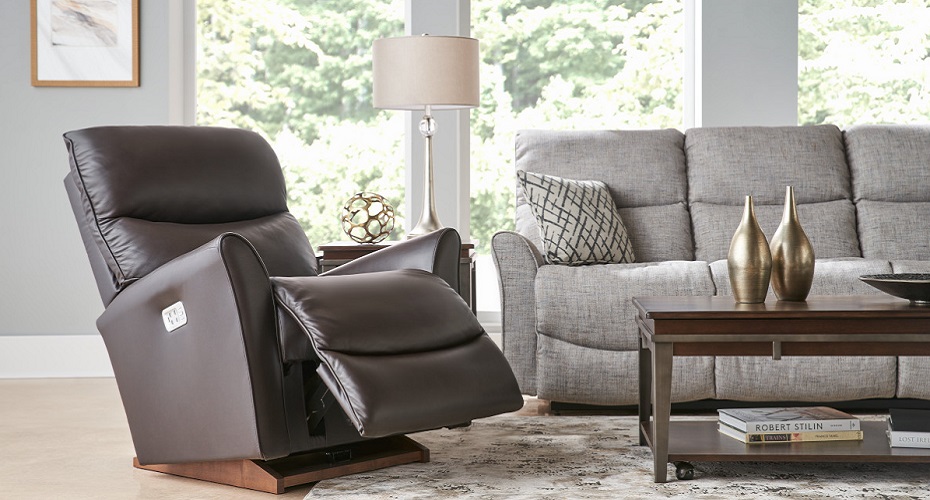
Choosing the right recliner is a significant decision, especially for seniors who rely on these chairs for daily comfort, mobility, and support. While features such as ergonomic design, easy-to-clean fabric, and reliable mechanisms are essential, the importance of a warranty for senior recliners is often underestimated. A strong warranty not only protects your investment but also ensures peace of mind for both seniors and their caregivers.
Understanding the value of warranty coverage can help you make a more informed decision and avoid unexpected costs or hassles down the road. Before diving into the details, it’s also helpful to explore related topics, such as how to use a lift chair with a caregiver, which can maximize the benefits of your recliner purchase.
Why Warranty Coverage Matters for Senior Recliners
Senior recliners are more than just furniture—they are essential aids for comfort, mobility, and even safety. With daily use, these chairs are subject to wear and tear, mechanical failures, and fabric issues. The importance of a warranty for senior recliners becomes clear when you consider the potential costs of repairs or replacements without coverage.
- Protection Against Defects: Warranties typically cover manufacturing defects in materials or workmanship, ensuring you aren’t left with a faulty product.
- Peace of Mind: Seniors and their families can rest easy knowing that if something goes wrong, they won’t face unexpected expenses.
- Support for Essential Features: Many recliners come with power lift mechanisms, massage functions, or heating elements. These features are prone to malfunction, and warranty coverage can save significant repair costs.
Key Elements of a Good Recliner Warranty
Not all warranties are created equal. When evaluating options, look for the following features to ensure comprehensive protection:
- Duration: Longer warranties (3–5 years or more) offer better value, especially for high-use items like senior recliners.
- Coverage Scope: Check if the warranty covers both the frame and moving parts, as well as electrical components for power recliners.
- Service Terms: Some warranties include in-home service or free shipping for repairs, which is especially important for seniors with limited mobility.
- Transferability: If you plan to resell or gift the recliner, a transferable warranty adds extra value.
Understanding these elements helps you avoid common pitfalls and ensures you get the most out of your investment.
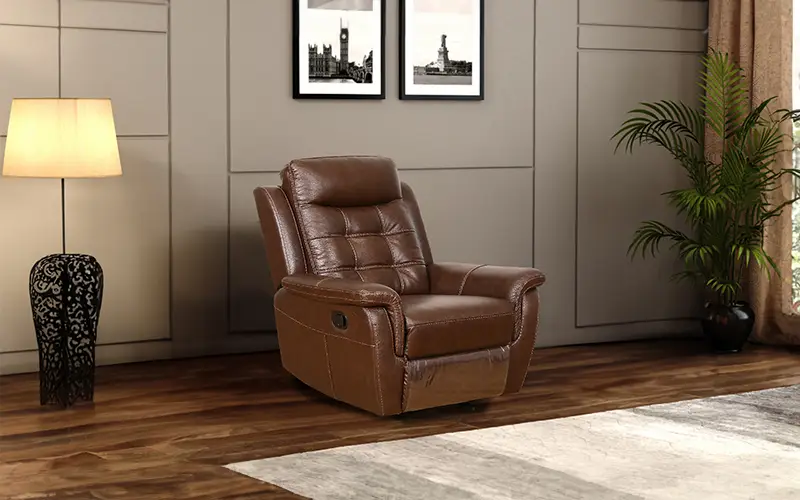
Common Warranty Exclusions to Watch For
While a warranty offers valuable protection, it’s important to read the fine print. Many policies have exclusions that can limit your coverage:
- Normal Wear and Tear: Most warranties do not cover damage from everyday use, such as fabric fading or cushion flattening.
- Improper Use: Damage caused by misuse, overloading, or unauthorized repairs is often excluded.
- Environmental Damage: Exposure to moisture, sunlight, or pets may void certain parts of the warranty.
Being aware of these limitations helps set realistic expectations and encourages proper care of your recliner.
Comparing Manual and Power Recliner Warranties
Senior recliners come in both manual and power-operated models. The type of recliner you choose will influence the warranty terms:
- Manual Recliners: Typically have fewer moving parts and simpler mechanisms, resulting in fewer potential issues. Warranties may focus on the frame and basic hardware.
- Power Recliners: Include motors, electrical wiring, and remote controls. These components are more prone to failure and often require specialized service. Look for warranties that specifically cover electrical and mechanical parts.
For a detailed comparison of manual versus power recliners, see this guide to manual and power riser recliners.
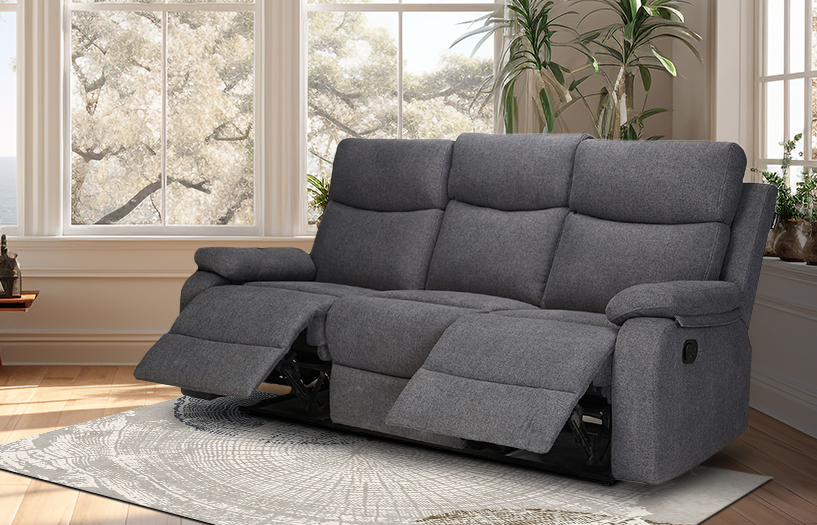
How Warranty Impacts Long-Term Value and Safety
Investing in a recliner with robust warranty coverage pays off in several ways. First, it can extend the usable life of your chair by ensuring prompt repairs or replacements. This is especially important for seniors who rely on their recliner for daily activities, relaxation, and even medical needs.
Second, a good warranty can help prevent recliner-related injuries by ensuring that faulty mechanisms are repaired quickly. Malfunctioning lift or recline functions can pose safety risks, so timely service is crucial.
Finally, warranty coverage protects your financial investment. Recliners designed for seniors often come with a higher price tag due to specialized features, so having a safety net against defects or breakdowns is essential for long-term satisfaction.
Tips for Making the Most of Your Recliner Warranty
To maximize the benefits of your warranty, follow these practical steps:
- Register Your Product: Many manufacturers require registration to activate full coverage. Do this promptly after purchase.
- Keep Documentation: Save your receipt, warranty card, and any correspondence with the manufacturer or retailer.
- Follow Care Instructions: Adhere to cleaning and usage guidelines to avoid voiding your warranty.
- Schedule Regular Maintenance: For power recliners, periodic checks of electrical components can prevent issues and support warranty claims.
Being proactive ensures that you can access warranty services quickly if needed.
Choosing the Right Recliner With Warranty in Mind
When shopping for a senior recliner, compare warranty terms alongside comfort, size, and features. Ask questions about what is covered, how to file a claim, and what the process involves. If you have specific needs, such as neck support or a high backrest, make sure those features are included in the coverage.
Also, consider the ease of cleaning and maintenance. Some warranties may be voided by the use of harsh chemicals or improper cleaning methods. For more on this, see our guide on choosing a recliner with easy-clean fabric.
By factoring warranty coverage into your decision, you ensure a safer, more comfortable, and cost-effective experience for years to come.
Frequently Asked Questions
What does a typical senior recliner warranty cover?
Most warranties cover defects in materials and workmanship for the frame, reclining mechanism, and, for power models, electrical components. Coverage for fabric, padding, and accessories may be limited or excluded. Always review the warranty document for specific details.
How do I file a warranty claim for my recliner?
Start by contacting the retailer or manufacturer, providing proof of purchase and a description of the issue. Some companies require photos or an inspection. Keep all documentation and follow the instructions provided to ensure a smooth process.
Can I extend or upgrade my recliner warranty?
Some manufacturers or retailers offer extended warranty plans for an additional fee. These plans may cover accidental damage or extend the coverage period. Ask about upgrade options at the time of purchase for added peace of mind.