


Recliners offer comfort and support, especially for seniors and those with mobility challenges. However, improper use or poor selection can lead to accidents or discomfort. By understanding the most common risks and following practical advice, you can enjoy your favorite chair safely and confidently. This article highlights the most important tips for avoiding recliner-related injuries, covering everything from choosing the right model to daily safety habits.
For those interested in fabric care and maintenance, you may also want to read about how to choose a recliner with easy-clean fabric to keep your chair in top condition.
Understanding the Risks Associated With Recliners
While recliners are designed for relaxation, they can pose certain hazards if not used correctly. Common issues include:
- Falls when getting in or out of the chair
- Pinched fingers or limbs in moving parts
- Tripping over footrests or electrical cords
- Back or neck strain from poor posture
Being aware of these risks is the first step in preventing accidents and ensuring a safe seating experience.
Choosing the Right Recliner for Safety
One of the most effective ways to reduce the chance of injury is to select a chair that matches your needs. Consider these factors when shopping:
- Size and Fit: Ensure the seat height allows your feet to rest flat on the floor. The armrests should be easy to grip for support.
- Sturdy Construction: Look for a solid frame and stable base to prevent tipping.
- Easy-to-Use Mechanisms: Power recliners or riser models can be easier for those with limited strength. For a detailed comparison, see this guide to manual vs. power riser recliners.
- Support Features: Chairs with lumbar and neck support help maintain good posture and reduce strain. Learn more about the benefits of a high backrest for seniors for extra comfort and safety.

Safe Usage Habits to Prevent Recliner Injuries
Once you have a suitable chair, adopting safe habits is key to minimizing risk. Here are essential recommendations:
- Check Surroundings: Make sure the area around the recliner is clear of obstacles, rugs, or cords that could cause tripping.
- Move Slowly: Take your time when sitting down or standing up. Use the armrests for support and avoid sudden movements.
- Keep Controls Within Reach: For power recliners, place the remote or buttons where they are easy to access without stretching or twisting.
- Lock Moving Parts: If your chair has a locking mechanism, engage it before getting in or out to prevent unexpected movement.
- Monitor Footrests: Always retract the footrest before standing to avoid tripping.
These habits are especially important for seniors or anyone with balance concerns. If you live in a smaller space, you might also benefit from these tips for selecting a recliner for a small apartment.
Optimizing Recliner Placement for Safety
Where you position your chair can have a big impact on safety. Consider the following placement tips:
- Leave enough space behind and in front of the chair for full reclining and footrest extension.
- Avoid placing the recliner near doors, high-traffic areas, or sharp corners.
- Keep the chair away from heaters, fireplaces, or other heat sources.
- Ensure adequate lighting so users can see the chair and controls clearly.
Proper placement not only reduces the risk of bumps and falls but also makes the chair more accessible for daily use.
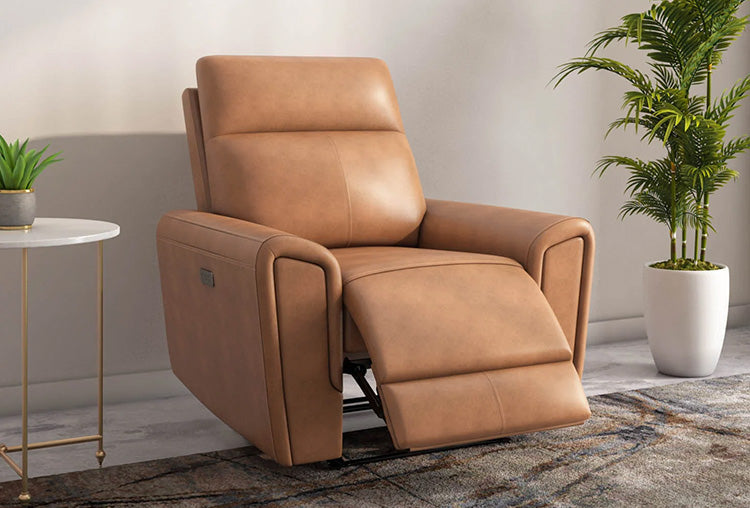
Maintenance and Regular Checks for Injury Prevention
Routine maintenance is vital for keeping your recliner safe and functional. Here’s what you should do:
- Inspect Moving Parts: Check for loose screws, worn mechanisms, or frayed cords. Address issues promptly to prevent malfunctions.
- Clean Regularly: Dust and debris can interfere with moving parts. Clean the chair and its surroundings to ensure smooth operation.
- Test Stability: Periodically sit and move in the chair to confirm it remains stable and secure.
- Review Manufacturer Guidelines: Follow care instructions and recommended weight limits to avoid damage or injury.
For those seeking extra support, consider models with adjustable lumbar support to further enhance comfort and reduce the risk of strain.
Special Considerations for Seniors and Caregivers
Older adults are at higher risk for falls and injuries, so additional precautions are warranted:
- Choose chairs with lift-assist features to make standing easier.
- Ensure caregivers are familiar with the chair’s operation and safety features.
- Consider adding non-slip pads under the chair if placed on hard flooring.
- Encourage regular movement and stretching to prevent stiffness from prolonged sitting.
By taking these extra steps, both seniors and caregivers can feel more confident about daily recliner use.
Recognizing When to Replace or Upgrade Your Recliner
Even the best chairs wear out over time. Signs that it may be time for a replacement include:
- Wobbling or instability when sitting or reclining
- Difficulty operating levers or controls
- Visible damage to the frame, upholstery, or mechanisms
- Loss of support, causing discomfort or pain
Investing in a new, well-designed recliner can significantly reduce the risk of accidents and improve overall comfort.
FAQ: Recliner Safety and Injury Prevention
What are the most common recliner-related injuries?
The most frequent issues include falls when getting in or out of the chair, pinched fingers or limbs in moving parts, and tripping over footrests or cords. Back or neck strain can also occur from poor posture or inadequate support.
How can I make my recliner safer for elderly family members?
Choose a model with lift-assist and easy-to-use controls, ensure the chair is stable, and keep the surrounding area clear of obstacles. Regularly check for wear and tear, and consider adding non-slip pads if the chair is on a hard surface.
Is it better to choose a manual or power recliner for safety?
Both types can be safe if used properly, but power recliners often offer easier operation for those with limited strength or mobility. For a detailed comparison, refer to this manual vs. power riser recliner guide.
How often should I inspect my recliner for safety?
It’s a good idea to check your chair at least once a month for loose parts, worn mechanisms, or other issues. Address any problems immediately to prevent accidents.
By following these tips for avoiding recliner-related injuries, you can enjoy the comfort of your favorite chair with greater peace of mind. Prioritize safety, choose the right features, and maintain your recliner regularly for the best experience.