

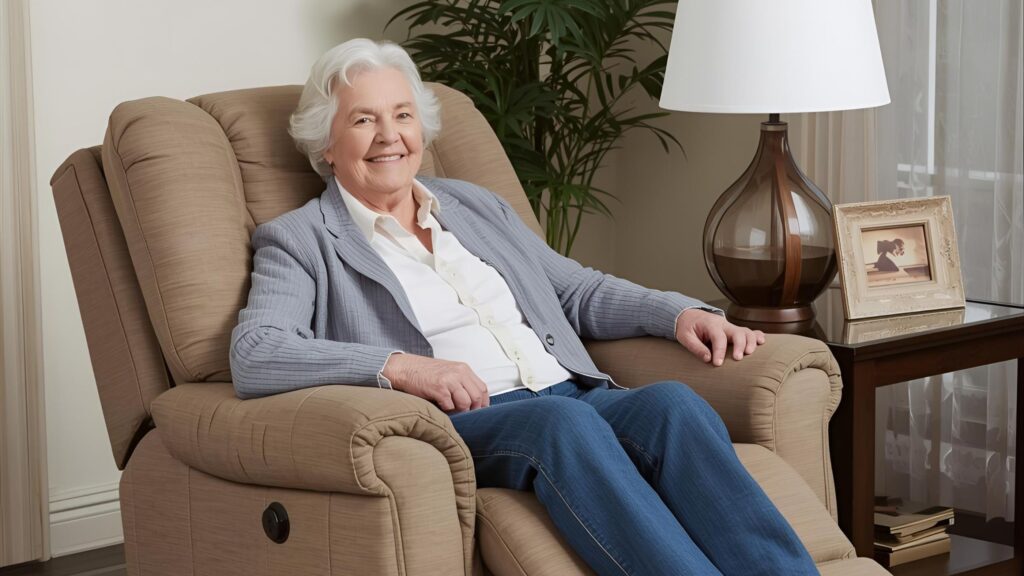
Recovering from a stroke often requires significant changes to daily routines, especially when it comes to comfort and mobility at home. Selecting the right recliner can make a meaningful difference in the healing process, providing essential support, safety, and ease of use. This guide will walk you through the most important factors to consider when searching for a recliner that meets the unique needs of post-stroke recovery, ensuring both comfort and practicality for the user and caregivers alike.
For those navigating this decision, understanding the key features that support stroke recovery is crucial. From mobility assistance to pressure relief, the right chair can help prevent complications and promote independence. If you’re also considering other needs, such as tips for selecting a recliner for home hospice, you’ll find that many of the same principles apply.
Why Specialized Recliners Matter for Stroke Recovery
After a stroke, individuals may experience muscle weakness, limited mobility, and a higher risk of pressure sores. Standard chairs rarely provide the necessary support or adjustability. Choosing a recliner designed for rehabilitation can help address these challenges by offering:
- Enhanced comfort for extended sitting periods
- Adjustable positioning to reduce pressure and improve circulation
- Assistance with standing and sitting, reducing fall risk
- Support for caregivers during transfers and repositioning
For more on the benefits of recliners for care home residents, see this comprehensive overview.
Key Features to Look for When Selecting a Recliner
When evaluating options, focus on features that directly support recovery and daily living. Here are the most important aspects to consider:
1. Power Lift and Recline Mechanism
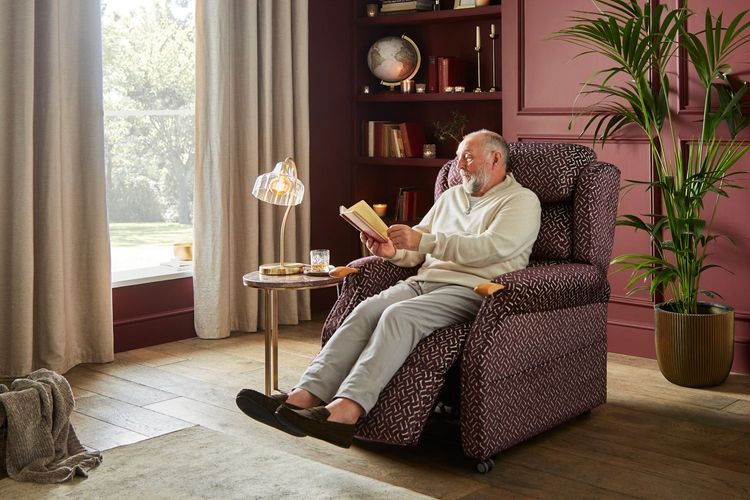
Power lift recliners use a motorized system to gently raise and lower the user, making it easier to stand up or sit down. This is especially valuable for stroke survivors with limited strength or balance. Look for models with smooth, quiet operation and easy-to-use remote controls.
2. Supportive Cushioning and Pressure Relief
Prolonged sitting can increase the risk of pressure ulcers, particularly for those with reduced mobility. Choose a chair with high-density foam or memory foam cushions that distribute weight evenly. Some recliners offer built-in pressure relief zones or can accommodate additional pressure-relieving pads.
3. Adjustable Backrest and Leg Rest
Being able to adjust the angle of the backrest and leg rest independently is important for comfort and circulation. This flexibility helps users find the most supportive position for their needs, whether resting, reading, or watching TV.
4. Sturdy Armrests and Wide Seat Base
Stable, well-padded armrests provide leverage for safe transfers and repositioning. A wider seat base accommodates different body types and allows for the use of assistive devices if needed.
5. Easy-to-Clean Materials
Accidents and spills are common during recovery. Select a recliner with upholstery that is simple to wipe down or remove for washing. For more advice, see our guide on how to choose a recliner with easy-clean fabric.
Additional Considerations for Stroke Survivors
Beyond the core features, there are several other factors that can make a significant difference in daily comfort and safety:
- Remote Control Accessibility: Large, clearly labeled buttons are easier for those with limited dexterity.
- Side Pockets: Handy for keeping essentials like remotes, phones, or medications within reach.
- Locking Casters: Some models offer wheels for mobility, but ensure they lock securely to prevent unwanted movement.
- Battery Backup: In case of power outages, a backup system ensures the user is never stranded in a reclined position.
How to Assess Comfort and Fit
Comfort is highly individual, so it’s important to try out different models whenever possible. Pay attention to:
- Seat Height: The user’s feet should rest flat on the floor when seated, with knees at a right angle.
- Back Support: Adequate lumbar and neck support help prevent strain and discomfort.
- Recline Range: Some users may benefit from a full lay-flat position, while others need only a slight tilt.
For those who require extra neck and upper back support, you may want to read about the benefits of a high backrest for seniors.

Safety and Warranty Considerations
Safety is paramount when selecting any mobility aid. Make sure the recliner is stable, with a solid base and anti-tip features. Check that all moving parts are covered to prevent pinching or entrapment. It’s also wise to consider the importance of a warranty for senior recliners to protect your investment and ensure prompt service if repairs are needed.
Caregiver Support and Ease of Use
For many stroke survivors, caregivers play a key role in daily routines. Features that make transfers and repositioning easier—such as lift mechanisms and sturdy armrests—can reduce strain on caregivers and enhance safety. If you’re working with a caregiver, you may also benefit from guidance on how to use a lift chair with a caregiver for optimal assistance.
Frequently Asked Questions
What type of recliner is best for stroke recovery?
Power lift recliners with adjustable positions and supportive cushioning are generally the most suitable. Look for models that offer easy operation, pressure relief, and sturdy construction to support both the user and caregivers.
How do I know if a recliner is safe for someone with limited mobility?
Check for anti-tip features, a stable base, and covered moving parts. Ensure the chair is easy to operate and that the user can reach controls and armrests comfortably. Reading reviews and consulting with healthcare professionals can also help guide your decision.
Is it worth investing in a warranty for a recliner?
Yes, a warranty can provide peace of mind and protect against unexpected repairs or malfunctions. This is especially important for motorized recliners, which may require servicing over time.
Conclusion
Finding the right recliner for post-stroke recovery involves careful consideration of comfort, safety, and practical features. By focusing on power lift mechanisms, supportive materials, and user-friendly controls, you can help ensure a smoother recovery process and greater independence. Always consult with healthcare providers for personalized recommendations, and take the time to try out different models to find the perfect fit for your needs.