


Choosing the right recliner is essential for comfort, support, and long-term satisfaction—especially for seniors or anyone spending significant time seated. However, many people struggle with how to tell if a recliner is too big for their body or space. An oversized chair can lead to discomfort, poor posture, and even safety issues. Knowing the signs of a poor fit helps you make a smarter purchase and avoid common pitfalls.
This guide explains the most important indicators that your recliner might be too large, how to check for proper fit, and what to do if you discover your chair isn’t right for you. We’ll also touch on related topics like ergonomic support and material choices, with practical advice for anyone shopping for a new seat.
For those interested in maximizing comfort and support, you may also want to learn about the benefits of a high backrest for seniors, which can further improve your seating experience.
Key Signs Your Recliner Is Oversized
Spotting a chair that’s too large isn’t always obvious at first glance. Here are the most common signs that your recliner doesn’t fit your body or living space:
- Feet Don’t Touch the Floor: When seated upright with your back against the backrest, your feet should rest flat on the floor. If they dangle or only your toes touch, the seat depth is likely too great.
- Seat Feels Too Deep: If you have to scoot forward or use a cushion behind your back to sit comfortably, the chair’s depth is excessive for your height.
- Armrests Are Too Far Apart: Your arms should rest naturally on the armrests without stretching outward. If you feel like you’re reaching or your shoulders are hunched, the chair is too wide.
- Difficulty Getting In or Out: Struggling to push yourself up or sinking too deeply can signal that the seat height or depth is not suitable.
- Poor Lumbar Support: In a chair that’s too big, the lumbar support may not align with your lower back, causing discomfort or slouching.
- Back Doesn’t Touch the Backrest: If you can’t sit all the way back with your knees still bent at a comfortable angle, the seat is too long for your legs.
How to Check for Proper Recliner Fit
To ensure your recliner is the right size, try these simple checks:
- Seat Depth Test: Sit all the way back in the chair. There should be about 2–3 inches between the back of your knees and the seat edge. Your feet should rest flat on the floor.
- Armrest Position: Place your arms on the armrests. Your shoulders should remain relaxed, and your elbows should be supported at a natural angle.
- Back Support: The chair’s lumbar area should align with your lower back curve. If there’s a gap or you need a pillow, the chair may be too large.
- Ease of Standing: Try standing up from the chair. You should be able to rise without excessive effort or sliding forward.
These checks are especially important if you’re shopping for seniors or anyone with mobility concerns. For more on making safe choices, see our tips for choosing non-slip recliner materials.

Common Problems Caused by an Oversized Recliner
Using a chair that’s too large can lead to several issues, especially for seniors or those with limited mobility:
- Back and Neck Pain: Poor alignment and lack of support can cause or worsen pain.
- Circulation Issues: Dangling feet or excessive seat depth may reduce blood flow in the legs.
- Increased Fall Risk: Difficulty getting in and out increases the chance of slips or falls.
- Reduced Comfort: You may find yourself constantly shifting or adding pillows to compensate for the poor fit.
For those concerned about safety, consider learning how to hide recliner power cords for safety to further reduce hazards in the living area.
Measuring Yourself and Your Space
Before buying a new chair, take accurate measurements of both your body and the intended room:
- Body Height and Leg Length: Measure from the back of your knee to your heel (for seat height) and from your tailbone to the back of your knee (for seat depth).
- Room Dimensions: Make sure the recliner fits comfortably in your space, allowing room for full recline and easy movement around the chair.
- Doorways and Pathways: Check that the chair can be delivered and moved into place without difficulty.
Proper measurement helps avoid the hassle of returns and ensures you get a chair that truly fits your needs.
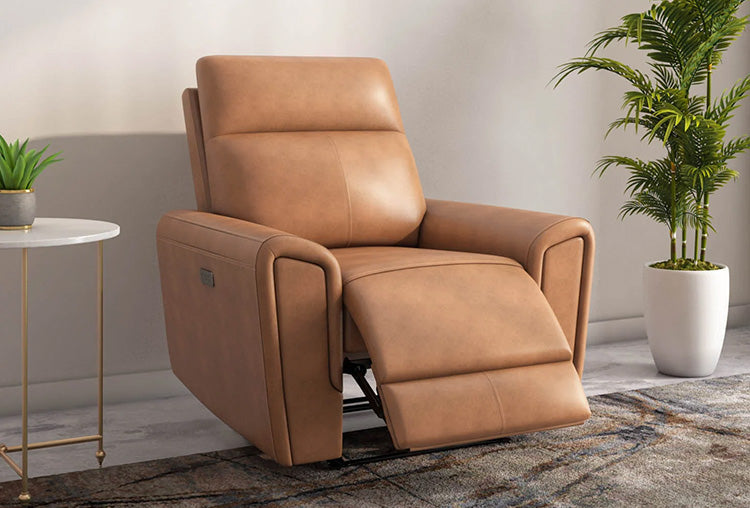
Choosing the Right Recliner Size
Once you know what to look for, selecting the correct size becomes much easier. Here are a few tips:
- Try Before You Buy: If possible, test different models in-store. Sit in each chair for several minutes to assess comfort and support.
- Check Manufacturer Guidelines: Many brands provide recommended height and weight ranges for their chairs.
- Consider Special Features: Some recliners offer adjustable seat depths, lumbar support, or powered lift functions. For a comparison of manual and powered options, see this guide to manual vs. power riser recliners.
- Account for Accessories: If you plan to use extra cushions or blankets, factor these into your sizing decision.
Don’t forget to review advice on how to increase the lifespan of a senior recliner to get the most value from your investment.
When to Replace or Adjust Your Recliner
If you notice ongoing discomfort, posture issues, or difficulty using your chair, it may be time for a change. Sometimes, adding a cushion or adjusting the seat can help, but in many cases, a new, properly sized recliner is the best solution for health and comfort. Pay attention to how you feel after sitting for extended periods—persistent aches or numbness are clear signs of a poor fit.
FAQ: Recliner Sizing and Comfort
What happens if my recliner is too big for me?
A chair that’s too large can cause poor posture, back pain, and make it hard to get in and out safely. Over time, this can lead to discomfort and even increase the risk of falls, especially for seniors.
How do I measure myself for a recliner?
Sit on a flat surface and measure from the back of your knee to your heel (for seat height) and from your tailbone to the back of your knee (for seat depth). Compare these numbers to the recliner’s specifications to ensure a good fit.
Can I fix a recliner that’s too big, or do I need a new one?
Minor adjustments like adding cushions can help, but if the chair is significantly oversized, it’s best to replace it with one that matches your body dimensions for optimal comfort and support.
Are there specific recliner types better suited for smaller individuals?
Yes, many manufacturers offer petite or small-scale recliners designed for shorter users. Look for models with adjustable features and check the recommended user height and weight before purchasing.
Conclusion
Understanding how to tell if a recliner is too big is key to enjoying long-term comfort and safety in your home. Pay close attention to seat depth, armrest spacing, and back support when evaluating a chair. Taking the time to measure yourself and your space, and reviewing ergonomic features, will help you choose a recliner that truly fits your needs. With the right approach, you can avoid the discomfort and inconvenience of an oversized chair and enjoy a supportive, relaxing seat for years to come.