


Exploring new countries can be a rewarding experience, but language barriers often present real challenges. Whether you’re navigating transportation, ordering food, or asking for directions, having a reliable way to communicate is essential. Translation devices for travelers have become increasingly popular, offering quick and accurate language support in a compact, easy-to-carry format. This guide covers the top features to look for, leading device options, and practical tips for choosing the right tool for your next journey.
For those who rely on accessible technology, combining a translation device with other travel-friendly gadgets—like portable chargers for seniors—can make trips smoother and more enjoyable. Let’s explore what makes these language tools so useful and how to select the best one for your needs.
Why Portable Language Translators Are Essential for Travel
When traveling abroad, even basic interactions can become complicated without a shared language. Portable translation devices help bridge this gap by providing instant translations for spoken or written words. These tools are especially valuable for:
- Ordering meals at restaurants
- Understanding transportation schedules
- Asking for help in emergencies
- Shopping and bargaining at markets
- Making new friends and connections
Compared to smartphone apps, dedicated devices often offer faster processing, offline functionality, and better privacy. Their simple interfaces are ideal for seniors, children, or anyone who prefers straightforward technology.
Key Features to Look for in Translation Devices for Travelers
Not all language translators are created equal. When evaluating your options, consider these important features to ensure the device meets your travel needs:
- Language Support: Check how many languages and dialects are included. The best devices cover dozens of languages, including regional variations.
- Offline Capability: Devices that work without Wi-Fi or cellular data are crucial for remote areas or international roaming.
- Battery Life: Look for models that last at least a full day on a single charge, especially if you’ll be out exploring for hours.
- Ease of Use: Large buttons, clear screens, and voice-activated controls make a big difference, particularly for older adults or those with limited tech experience.
- Audio Quality: Clear speakers and microphones ensure accurate translations, even in noisy environments.
- Portability: Lightweight, pocket-sized designs are easier to carry and less likely to be left behind.
Some devices also offer additional features like camera translation for signs or menus, group conversation modes, or integration with hearing aids—useful for travelers with specific accessibility needs.
Top Picks: Simple and Reliable Language Tools
Choosing the right translation device for travelers depends on your destination, budget, and personal preferences. Here are some leading options that consistently receive positive reviews for their simplicity and effectiveness:
- Pocket Translators: Compact devices that fit in your palm or pocket, offering instant voice translation and long battery life. Many models support two-way conversations and can be used offline.
- Wearable Translators: Devices that clip onto your clothing or hang around your neck, allowing hands-free operation. These are ideal for busy sightseeing days or group tours.
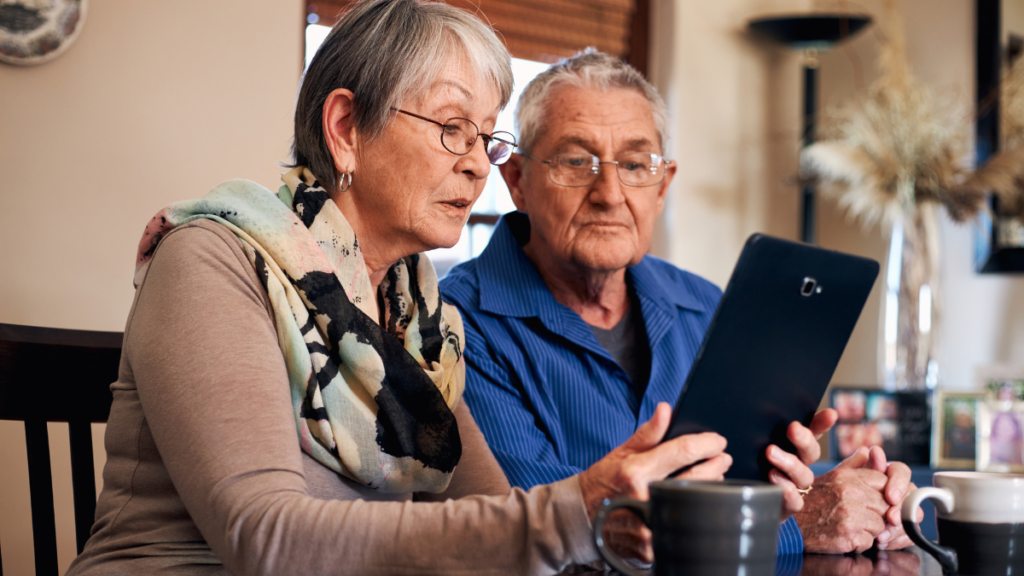
- Tablet-Based Solutions: For those who prefer larger screens or need additional accessibility features, tablets with built-in translation apps can be a great choice. The best phones for seniors and tablets often come with pre-installed language tools and easy-to-read displays.
When comparing models, check for user-friendly menus, volume controls, and the ability to save common phrases. Some devices also allow you to download additional languages as needed, making them adaptable for future trips.

Tips for Getting the Most Out of Your Travel Translator
To maximize the benefits of your language tool, keep these practical tips in mind:
- Practice Before You Go: Familiarize yourself with the device’s interface and try out common phrases at home.
- Download Languages in Advance: If your device supports offline mode, download the necessary language packs before leaving, especially if you’ll be in areas with limited connectivity.
- Keep It Charged: Bring a backup power source, such as a portable charger, to ensure your device stays powered throughout the day.
- Use Headphones for Privacy: Some models allow for discreet listening, which can be helpful in crowded or noisy environments.
- Update Regularly: Check for firmware or software updates to improve accuracy and add new features.
Combining your translator with other helpful tools—like calendar reminder devices or voice recorders for memory support—can make your travel experience even more seamless, especially for seniors or those with memory concerns.
Accessibility and Ease of Use for All Ages
Many modern translation devices are designed with accessibility in mind. Features like large, high-contrast screens, tactile buttons, and simple navigation menus make them suitable for users of all ages. For seniors, devices that offer voice prompts, adjustable volume, and clear text displays are particularly helpful. Some models even integrate with hearing aids or offer visual cues for those with hearing impairments.
When selecting a device, consider your own comfort level with technology. If you prefer a straightforward experience, opt for a model with minimal setup and intuitive controls. For those who enjoy more features, look for devices that offer additional tools like camera translation or phrasebook storage.
Frequently Asked Questions
Can translation devices work without an internet connection?
Many translation devices for travelers offer offline functionality, allowing you to translate common phrases and conversations without Wi-Fi or cellular data. However, offline mode may support fewer languages or provide slightly less accurate translations compared to online use. Always check the device specifications to ensure it meets your needs for offline travel.
Are these devices suitable for seniors or people with limited tech experience?
Yes, most modern language translators are designed to be user-friendly, with simple controls, clear displays, and voice-activated features. Seniors often appreciate devices with large buttons and easy-to-read screens. If you’re looking for more accessible technology, consider pairing your translator with other senior-friendly gadgets such as best magnifiers for seniors for reading menus or signs.
How do translation devices compare to smartphone apps?
Dedicated translation tools typically offer faster response times, better privacy, and offline capabilities that many smartphone apps lack. They are also less likely to be affected by notifications or battery drain from other phone functions. However, apps can be a convenient backup, especially if you already carry a smartphone.
Conclusion
Having a reliable language translator can make international travel more enjoyable, less stressful, and safer. By focusing on ease of use, language support, and portability, you can find a device that fits your travel style and personal needs. Whether you’re a frequent explorer or planning your first trip abroad, investing in the right translation tool ensures you’ll be ready to connect and communicate wherever your journey takes you.