

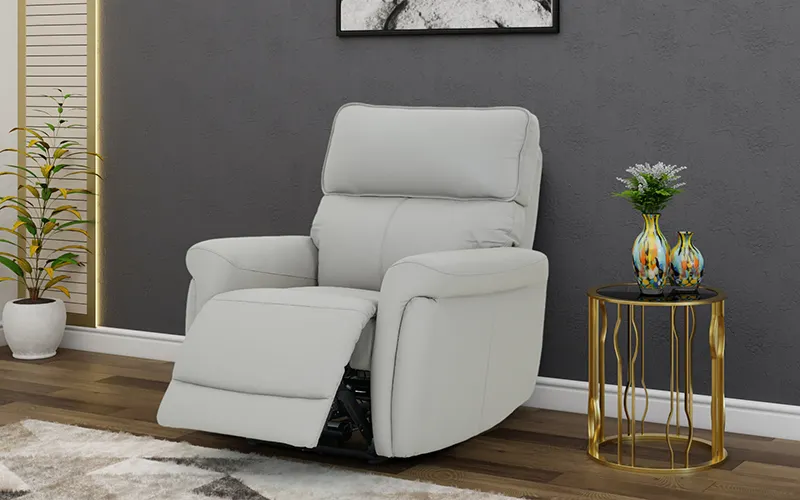
Recliners with power features offer comfort and independence for older adults, but their cords can create unexpected hazards. Exposed wires on the floor increase the risk of tripping, tangling, or accidental unplugging—especially for seniors with limited mobility or vision. Learning how to hide recliner power cords for safety is a practical step towards making any living space safer and more accessible.
This guide covers effective ways to manage and conceal recliner cords, highlights products that help, and explains why cord safety is crucial for seniors. We’ll also share tips for choosing the right recliner and maintaining a clutter-free environment. For those interested in optimizing recliner comfort, you may also want to read about the benefits of a high backrest for seniors and how it supports neck health.
Why Cord Safety Matters for Seniors
Power recliners are designed to improve comfort and independence, but their electrical cords can become a hidden danger. For seniors, falls are a leading cause of injury, and loose or visible cords increase the risk. Tripping over a cord can result in serious consequences, such as fractures or head injuries. Additionally, tangled cords may cause the recliner to malfunction or become unplugged, interrupting its use and potentially causing frustration or distress.
Beyond physical safety, a tidy environment also supports mental well-being. Reducing visible clutter, including cords, helps create a calmer, more organized living space. For caregivers and family members, addressing cord management is a simple yet effective way to support aging loved ones at home.
Practical Solutions: How to Hide Recliner Power Cords for Safety
There are several proven methods to keep recliner cords out of the way and minimize risks. Here are some of the most effective strategies:
- Cord Covers and Raceways: These plastic or fabric channels run along the floor or wall, enclosing cords and keeping them flush with surfaces. They’re available in various colors to blend with flooring or baseboards.
- Under-Carpet Routing: If the recliner is positioned on a rug or carpet, cords can be run underneath using flat extension cords or cord protectors. This keeps them out of sight and reduces tripping hazards.
- Furniture Placement: Position the recliner close to a wall outlet so the cord doesn’t stretch across open walkways. If possible, place the recliner with its back to the wall and the cord trailing directly behind it.
- Securing with Clips or Adhesive Hooks: Use cable clips or adhesive-backed hooks to attach cords along the back or underside of furniture, guiding them neatly to the outlet.
- Shorter Extension Cords: Avoid using long cords that create excess slack. Choose a cord length that reaches the outlet without leaving extra cable on the floor.
)
Choosing the Right Accessories for Cord Management
Specialized products make it easier to conceal and secure recliner cords. Here are some options to consider:
- Floor Cord Covers: These are designed to sit on top of carpets or hard floors and can handle foot traffic. They’re ideal for areas where cords must cross walkways.
- Cable Management Sleeves: Flexible sleeves bundle multiple cords together, reducing clutter and making it easier to route them along furniture edges.
- Adhesive Cable Clips: These small clips stick to furniture or walls, holding cords in place and preventing them from dangling or getting tangled.
- Flat Extension Cords: If you must use an extension, choose a flat design that’s less likely to cause trips and can be routed under rugs.
When selecting accessories, look for products with non-slip bases or adhesive backing for added security. Always ensure that any cord management solution does not pinch or damage the cord, as this could create a fire hazard.
Positioning Recliners to Minimize Cord Hazards
Where you place the recliner can make a big difference in cord safety. Here are some tips for optimal placement:
- Keep Close to Outlets: The closer the recliner is to a wall outlet, the less cord will be exposed. This reduces the risk of tripping and keeps the area tidy.
- Avoid High-Traffic Areas: Don’t position the recliner where people frequently walk, such as hallways or entryways. This minimizes the chance of someone encountering the cord.
- Use Wall-Mounted Power Strips: If outlets are limited, a wall-mounted power strip can provide a secure connection point above floor level, keeping cords off the ground.
For those interested in selecting the best recliner for their needs, the guide to choosing a recliner for petite elderly adults offers helpful advice on fit and comfort.
Additional Tips for a Safer Recliner Setup
Beyond cord management, there are other steps you can take to make a recliner area safer for seniors:
- Regularly Inspect Cords: Check for fraying, exposed wires, or loose plugs. Replace damaged cords immediately.
- Avoid Daisy-Chaining: Don’t plug multiple extension cords together, as this increases fire risk and can overload circuits.
- Keep Cords Dry: Ensure cords are not near sources of moisture, such as humidifiers or spilled drinks.
- Educate Family Members: Make sure everyone in the household knows to keep cords out of walkways and to report any hazards.
For more on optimizing recliner features for seniors, you can explore the benefits of side pockets in senior recliners for added convenience and storage.
Benefits of a Safe Recliner Environment
Taking steps to conceal and secure power cords offers several advantages:
- Reduces Fall Risk: The most important benefit is a lower chance of tripping and injury.
- Improves Accessibility: Seniors can use their recliner independently without worrying about unplugging or moving cords.
- Enhances Room Appearance: A tidy space is more welcoming and less stressful for everyone.
- Protects Equipment: Proper cord management prevents damage to both the recliner and electrical outlets.
For a deeper understanding of how recliners support senior health, see the health benefits of reclining chairs for seniors and how they contribute to comfort and mobility.
Frequently Asked Questions
What is the safest way to run a recliner power cord across a room?
The safest method is to use a floor cord cover or raceway, which secures the cord and prevents tripping. If possible, avoid running cords across open walkways. Instead, position the recliner near a wall outlet or use a flat extension cord under a rug, ensuring it is specifically designed for under-carpet use.
Can I use wireless or battery-powered recliners to avoid cords?
Some modern recliners offer battery backup or wireless operation, but most still require occasional charging or a power connection. If you choose a battery-powered model, follow manufacturer guidelines for charging and battery care. Always check that the recliner meets safety standards for senior use.
How often should I check recliner cords for damage?
Inspect cords at least once a month, or more frequently if the recliner is moved often. Look for signs of wear, fraying, or loose connections. Address any issues immediately to prevent accidents or electrical hazards.
Are there specific recliners designed with safer cord management?
Some recliners are designed with built-in cord channels or offer rear-exit power connections to keep cords out of sight. When shopping, ask about cord management features or look for models that minimize exposed wiring. For more information, see the pros and cons of lay-flat recliners for seniors.
By following these tips and using the right accessories, you can create a safer, more comfortable home environment for seniors. Proper cord management not only prevents accidents but also helps maintain the independence and well-being of older adults.