

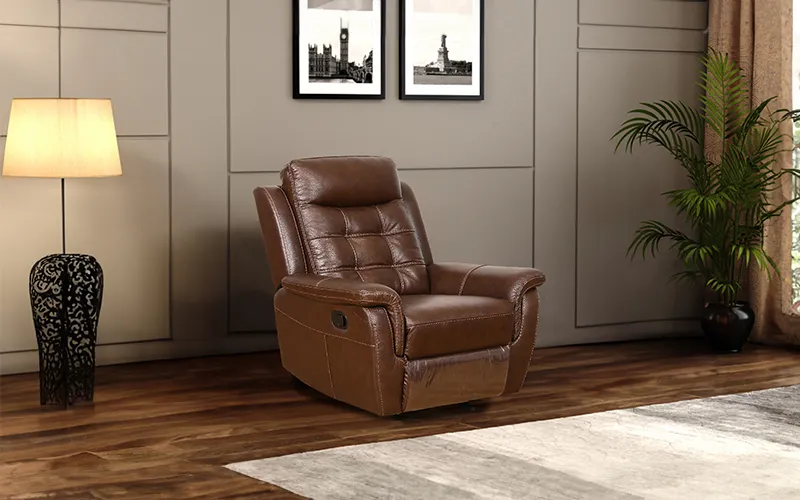
Finding the right recliner for a petite senior can make a significant difference in daily comfort, safety, and independence. Many standard recliners are designed for average or larger body types, which can leave smaller adults struggling with poor support, awkward posture, or even difficulty getting in and out of the chair. If you’re searching for guidance on how to select a recliner for petite elderly adults, this guide will walk you through the most important considerations, from sizing and ergonomics to fabric choices and essential features.
Choosing a well-fitted recliner is about more than just comfort—it’s about promoting healthy posture, reducing the risk of falls, and supporting mobility. For petite seniors, the right chair can help prevent back pain, leg discomfort, and circulation issues. Before diving into the key factors, it’s also worth learning about the benefits of a high backrest for seniors, as proper neck and upper back support are especially important for smaller frames.
Why Proper Fit Matters for Petite Seniors
When a recliner is too large for its user, it can lead to a range of problems. A seat that’s too deep or wide may cause a petite person to slouch, dangle their feet, or strain to reach the armrests. Over time, this can contribute to poor posture, muscle fatigue, and even increase the risk of slipping or falling when standing up. For elderly adults, these issues are not just uncomfortable—they can impact health and safety.
On the other hand, a chair that’s tailored to a smaller body provides better lumbar support, helps maintain proper alignment, and makes it easier to get in and out of the seat. This is especially important for those with limited strength or mobility.
Key Measurements: Seat Height, Depth, and Width
One of the first steps in choosing a recliner for a petite elderly person is to measure carefully. The most important dimensions to consider are:
- Seat Height: The distance from the floor to the top of the seat cushion. For most petite adults (under 5’4”), a seat height of 16–18 inches is ideal. This allows the feet to rest flat on the floor, promoting good circulation and stability.
- Seat Depth: The distance from the backrest to the front edge of the seat. A depth of 18–20 inches usually works well for smaller frames, ensuring the knees bend comfortably and the back is supported.
- Seat Width: The measurement between the armrests. Look for a width that’s snug but not tight—typically 18–20 inches for petite users.
Always have the intended user sit in the chair (if possible) to check that their back is fully supported and their feet touch the ground without straining.
Essential Features for Petite Elderly Recliners
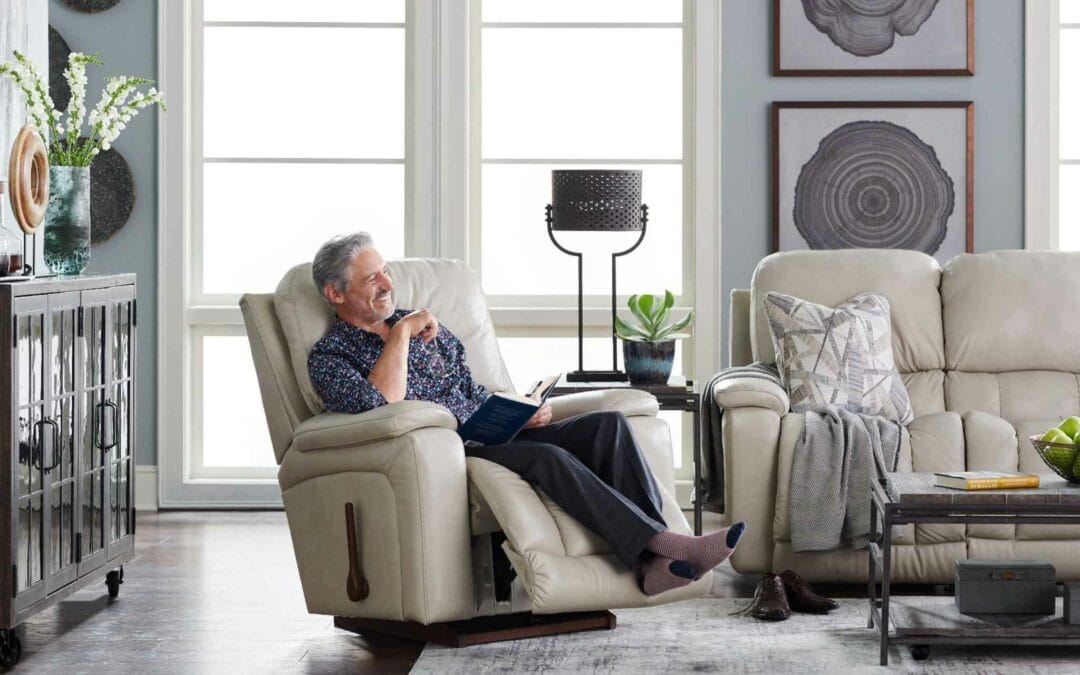
Beyond size, certain features can make a recliner much safer and more comfortable for older adults with smaller builds:
- Power Lift Function: Chairs with a lift mechanism gently raise the user to a standing position, reducing strain on knees and hips. This is especially helpful for those with limited strength or balance issues.
- Adjustable Backrest and Footrest: Look for models that allow independent adjustment of the back and leg support. This helps petite users find the most comfortable position for reading, watching TV, or napping. For more on this, see our article on what is a lay flat recliner for seniors.
- Lumbar and Neck Support: Proper cushioning in the lower back and neck area is crucial for comfort and spinal health. Some recliners offer extra padding or built-in supports tailored for smaller frames.
- Easy-to-Use Controls: Large, simple buttons or remote controls are preferable for seniors with arthritis or limited dexterity.
- Sturdy Armrests: Firm, well-padded armrests provide leverage for standing and sitting, reducing the risk of falls.
Choosing the Right Upholstery and Padding
The fabric and padding of a recliner play a big role in both comfort and skin health. For elderly adults, especially those with sensitive skin, breathable and soft materials are best. Consider options like microfiber, cotton blends, or leather alternatives that are easy to clean but gentle to the touch. To learn more about why fabric matters, check out the benefits of breathable fabrics for elderly skin.
Padding should be firm enough to provide support but not so hard that it causes pressure points. Overly plush chairs may feel cozy at first but can lead to poor posture and discomfort over time, especially for petite users who may sink too deeply into the seat.

Safety Considerations and Mobility Support
Safety is a top priority when selecting seating for older adults. Recliners for petite seniors should have a stable base, non-slip feet, and a mechanism that moves smoothly without jerking. Avoid chairs that are too heavy to move or that tip easily. If the user intends to sleep in the recliner, review our tips on how to use a recliner for sleeping and be aware of the risks of sleeping in a recliner for seniors.
Some recliners also offer side pockets for remotes and magazines, cup holders, or USB charging ports—all of which can add convenience for seniors who spend extended periods in their chair.
Comparing Recliner Types: Manual vs. Power
There are two main types of recliners: manual and power-operated. Manual recliners use a lever or push-back mechanism, which may be difficult for some petite seniors to operate, especially those with arthritis or limited strength. Power recliners, on the other hand, use an electric motor to adjust the seat and footrest at the touch of a button. While power models are often more expensive, they provide greater independence and ease of use for elderly adults.
For those interested in the health and comfort benefits of these chairs, explore the advantages of lift chairs and recliners for seniors in more detail.
Tips for Shopping and Trying Out Recliners
Whenever possible, have the intended user test the recliner in person. Sit all the way back, check that the feet touch the floor, and try the reclining and lift features. Pay attention to how easy it is to operate the controls and whether the chair feels stable in all positions. If shopping online, look for detailed measurements, user reviews from other petite seniors, and clear return policies.
Don’t forget to measure the space where the chair will be placed, including clearance for reclining and standing up. Some models require more room behind or in front of the chair to fully extend.
Frequently Asked Questions
What seat dimensions are best for petite elderly adults?
For most petite seniors, a seat height of 16–18 inches, a seat depth of 18–20 inches, and a seat width of 18–20 inches provide the best fit. These measurements help ensure the feet rest flat on the floor and the back is fully supported.
Are power lift recliners worth the investment for smaller seniors?
Yes, power lift recliners can greatly improve safety and independence for petite elderly adults. The lift function assists with standing and sitting, reducing strain on joints and minimizing the risk of falls.
What type of upholstery is best for sensitive skin?
Breathable fabrics such as microfiber, cotton blends, or high-quality synthetic leathers are ideal. These materials are soft, reduce the risk of skin irritation, and are generally easy to clean, making them suitable for elderly users with delicate skin.
Can petite seniors sleep safely in a recliner?
Some recliners are designed for sleeping, but it’s important to choose a model with adequate support and to be aware of potential risks. For more information, review our resources on using a recliner for sleeping and the risks involved.
Conclusion
Selecting a recliner for a petite elderly adult requires careful attention to fit, support, and ease of use. By focusing on the right measurements, essential features, and safe design, you can find a chair that enhances comfort and promotes independence. Remember to compare options, check for user-friendly controls, and prioritize supportive upholstery. With the right choice, a recliner can become a valuable asset for daily living and long-term well-being.