

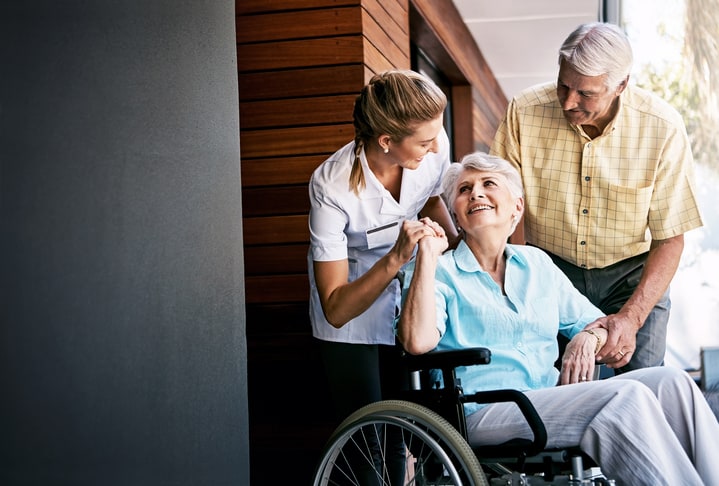
As people age, maintaining independence and quality of life often depends on the ability to move safely and confidently. Mobility rehabilitation for seniors is a specialized approach designed to address the unique challenges older adults face with movement, balance, and strength. Through targeted therapies and practical strategies, seniors can regain or preserve their ability to perform daily activities, reduce fall risks, and stay active in their communities.
This article explores essential aspects of movement therapy for older adults, including types of rehabilitation, safety tips, and how to create a supportive environment. Whether you are a senior, a caregiver, or a family member, understanding these principles can make a significant difference in promoting safe and effective mobility.
For those interested in optimizing comfort and support during recovery, learning about the benefits of a high backrest for seniors can be a valuable resource.
Understanding Movement Challenges in Older Adults
Aging brings natural changes to muscles, joints, and balance systems. These changes can lead to decreased flexibility, slower reaction times, and increased risk of falls. Chronic conditions such as arthritis, osteoporosis, or neurological diseases may further complicate mobility. Recognizing these challenges is the first step in developing an effective plan for mobility rehabilitation for seniors.
- Muscle weakness can make standing, walking, or climbing stairs more difficult.
- Joint stiffness may limit range of motion and cause discomfort during movement.
- Balance issues increase the likelihood of falls and injuries.
- Reduced coordination can affect the ability to perform daily tasks safely.
Key Components of Mobility Rehabilitation Programs
A comprehensive approach to movement therapy for seniors involves several elements tailored to individual needs. Rehabilitation professionals, such as physical therapists and occupational therapists, assess each person’s abilities and design personalized plans. The following components are commonly included:
Exercise and Strength Training
Regular, guided exercise is central to improving mobility. Programs often focus on:
- Strengthening major muscle groups to support daily activities.
- Flexibility exercises to maintain or increase range of motion.
- Balance training to reduce fall risks and enhance stability.
- Endurance activities like walking or cycling to boost cardiovascular health.
Functional Mobility Training
Therapists work with seniors to practice real-life movements, such as getting in and out of chairs, using stairs, or transferring from bed to wheelchair. This hands-on approach helps build confidence and ensures that progress translates to everyday life.
Assistive Devices and Home Modifications
Sometimes, mobility aids like canes, walkers, or grab bars are recommended to enhance safety and independence. Occupational therapists may suggest changes to the home environment, such as removing tripping hazards, improving lighting, or installing ramps, to further reduce risks.
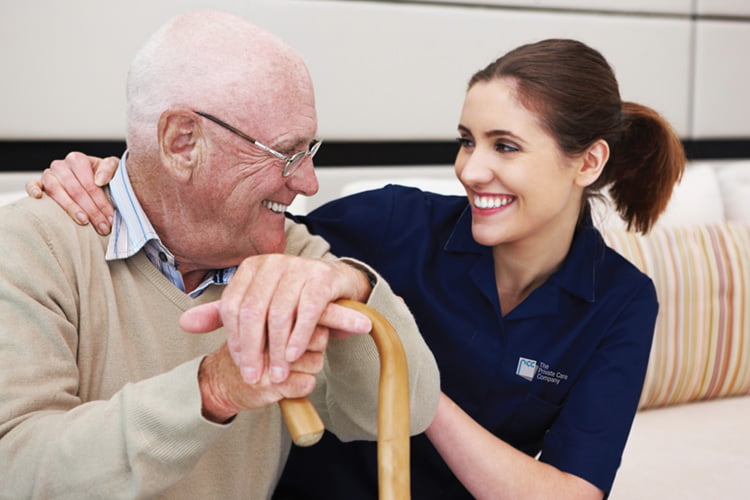
Safety Strategies for Movement and Rehabilitation
Ensuring safety during mobility exercises and daily activities is crucial. Here are some practical tips to help seniors move with confidence:
- Always wear supportive, non-slip footwear.
- Keep pathways clear of clutter and loose rugs.
- Use night lights or motion sensor lighting to prevent falls in the dark.
- Install grab bars in bathrooms and near stairs.
- Consider using a bed exit alarm for those at risk of nighttime wandering or falls.
- Perform exercises in the presence of a caregiver or therapist, especially during the initial stages.
For a comprehensive list of ways to enhance safety at home, refer to these 50 safety tips for seniors.
Supporting Recovery: The Role of Caregivers and Family
Family members and caregivers play a vital role in the success of mobility rehabilitation for seniors. Encouragement, patience, and understanding can boost motivation and help seniors stick to their rehabilitation plans. Here are some ways to support loved ones:
- Attend therapy sessions to learn proper techniques and safety measures.
- Help set realistic goals and celebrate progress, no matter how small.
- Ensure the home environment is adapted for safety and accessibility.
- Encourage regular participation in prescribed exercises.
- Monitor for signs of fatigue, pain, or discouragement, and communicate with healthcare providers as needed.

Choosing the Right Rehabilitation Setting
Movement therapy for older adults can take place in various settings, depending on the individual’s needs and health status:
- Outpatient clinics offer structured programs for those who can travel independently.
- Home-based rehabilitation is ideal for seniors with limited mobility or transportation challenges.
- Inpatient rehabilitation centers provide intensive therapy following surgery or hospitalization.
- Community centers may offer group classes focused on balance, flexibility, and strength.
Discuss options with healthcare providers to determine the most appropriate setting and level of support.
Enhancing Comfort and Preventing Complications
Comfort is a key factor in successful rehabilitation. Using supportive furniture, such as recliners with adequate back and neck support, can make a significant difference during rest periods. For more information on how to maximize comfort and minimize risks, explore the risks of sleeping in a recliner for seniors and the benefits of breathable fabrics for elderly skin.
Frequently Asked Questions
What types of exercises are most effective for improving mobility in seniors?
The most effective exercises include strength training, balance activities, flexibility routines, and low-impact aerobic exercises. These should be tailored to each individual’s abilities and performed under professional guidance when possible.
How can I make my home safer for an older adult with mobility challenges?
Remove tripping hazards, improve lighting, install grab bars in key areas, and use assistive devices as recommended. Consider adding motion sensor night lights and bed exit alarms for added safety, especially at night.
When should a senior consider professional rehabilitation services?
If an older adult experiences frequent falls, noticeable decline in movement, or difficulty performing daily tasks, it’s important to consult a healthcare provider. Early intervention with professional rehabilitation can prevent further decline and promote independence.
Conclusion
Promoting safe movement and independence is possible with the right approach to mobility rehabilitation for seniors. By combining targeted exercise, safety strategies, and supportive environments, older adults can maintain their quality of life and reduce the risk of injury. Caregivers and family members play a crucial role in this process, offering encouragement and ensuring that the home remains a safe space for recovery and daily living.
For additional guidance on maximizing comfort and safety, you may also be interested in learning how to use a recliner for sleeping and understanding the pros and cons of lay-flat recliners for seniors.