


Maintaining a sense of purpose and enthusiasm is essential for older adults looking to enjoy a fulfilling lifestyle. As we age, physical changes, social shifts, and new challenges can sometimes make it harder to stay energized and involved. However, with the right strategies, it’s possible to nurture a positive mindset, remain physically active, and keep social connections strong. This guide explores practical ways to boost senior motivation, support well-being, and encourage engagement in daily life.
Alongside these tips, it’s important to consider comfort and safety in everyday routines. For example, understanding the benefits of a high backrest for seniors can make a significant difference in both relaxation and posture, supporting overall motivation to stay active.
Why Staying Engaged Matters for Older Adults
Remaining involved in meaningful activities is closely linked to better mental and physical health. Studies show that seniors who participate in social, physical, or creative pursuits often experience improved mood, sharper cognitive function, and a greater sense of satisfaction. Motivation can sometimes wane due to health setbacks or changes in living situations, but even small steps toward engagement can have a big impact.
- Physical activity helps maintain mobility, balance, and strength.
- Social connections reduce feelings of isolation and boost emotional well-being.
- Mental stimulation supports memory and cognitive health.
Practical Strategies to Boost Senior Motivation
Finding the right approach to inspire action and positivity often depends on personal preferences and abilities. Here are several proven methods that can help older adults stay motivated and engaged.
Set Realistic and Enjoyable Goals
Motivation thrives when goals are meaningful and achievable. Encourage setting small, attainable targets—such as taking a daily walk, joining a group activity, or learning a new hobby. Celebrate progress, no matter how minor, to reinforce a sense of accomplishment.
Incorporate Movement Into Daily Routines
Regular movement is crucial for maintaining health and independence. Simple activities like stretching, gardening, or gentle exercises can be integrated throughout the day. For those with mobility concerns, chair exercises or short strolls around the home can still provide valuable benefits.
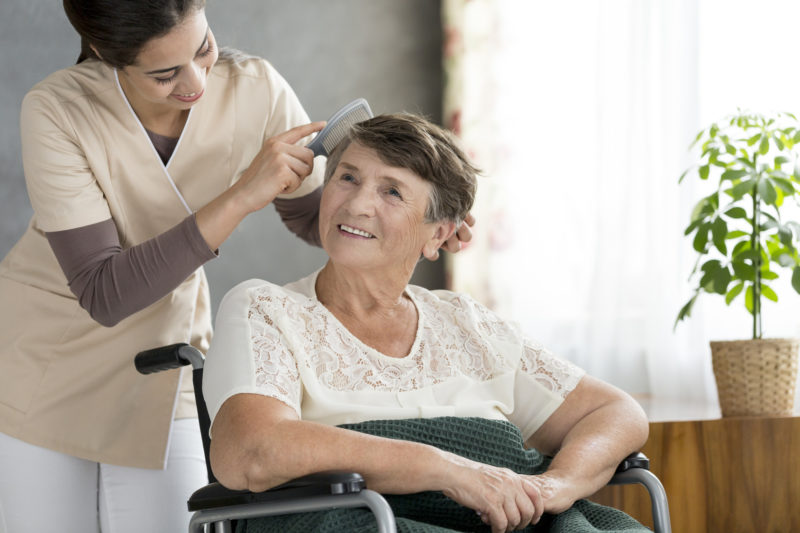
Stay Connected With Family and Friends
Social interaction is a powerful motivator. Regular phone calls, video chats, or in-person visits help maintain relationships and provide emotional support. Participating in community events, clubs, or volunteer opportunities can also foster a sense of belonging.
Use Tools and Products That Support Independence
Simple devices, such as motion sensor night lights or bed exit alarms, can make daily life safer and more manageable. These aids not only promote independence but also give peace of mind to both seniors and their loved ones, making it easier to stay active and confident.
Creating a Positive Environment for Motivation
The surroundings in which older adults live play a significant role in their ability to stay engaged. Comfortable, supportive furniture and accessible spaces encourage movement and reduce barriers to participation. For example, choosing seating with proper back and neck support can make a big difference in comfort and willingness to join in activities.
For those interested in learning more about comfort and health, exploring the benefits of breathable fabrics for elderly skin can provide helpful insights into making daily life more pleasant.

Encouraging Lifelong Learning and Curiosity
Staying mentally active is just as important as physical movement. Reading, puzzles, games, and learning new skills stimulate the mind and provide a sense of achievement. Many communities and online platforms offer classes tailored for older adults, from art and music to technology and language learning.
For those who enjoy reading or want to improve their rest, resources such as advice on how to use a recliner for sleeping can be both practical and motivating.
Accessing Support and Community Resources
Sometimes, a little extra help is needed to maintain motivation and independence. Local senior centers, community organizations, and home care services can provide valuable support. For those living at home, services for older adults living at home offer assistance with daily activities, transportation, and companionship.
Don’t hesitate to reach out for support—whether it’s help with chores, transportation, or simply someone to talk to. Staying connected to the community can make a significant difference in overall well-being.
Tips for Caregivers and Family Members
Supporting a loved one’s motivation involves patience, encouragement, and understanding. Here are a few ways caregivers and family members can help:
- Encourage participation in activities that match interests and abilities.
- Offer positive reinforcement and celebrate achievements.
- Help create a safe, comfortable environment that promotes independence.
- Stay informed about products and resources that support daily living.
- Be attentive to changes in mood or behavior and seek professional support if needed.
For more information on comfort and safety, consider reading about the risks of sleeping in a recliner for seniors to make informed decisions for your loved one’s well-being.
Frequently Asked Questions
What are some simple ways to encourage activity in older adults?
Start with small, enjoyable activities such as short walks, stretching, or light gardening. Encourage participation in group events or hobbies that match personal interests. Using supportive products, like motion sensor lights, can also make daily movement safer and easier.
How can seniors stay socially connected if they have limited mobility?
Phone calls, video chats, and online groups offer ways to maintain relationships from home. Community organizations often provide transportation or virtual events, making it easier to stay involved even with mobility challenges.
What resources are available for seniors who want to remain independent?
Many communities offer home care services, transportation assistance, and social programs. The National Institute on Aging’s guide to services for older adults living at home is a helpful starting point for finding local support.
Are there specific products that help boost motivation and safety?
Yes, items like bed exit alarms, motion sensor night lights, and supportive seating can enhance both safety and independence, making it easier for older adults to stay active and engaged.