

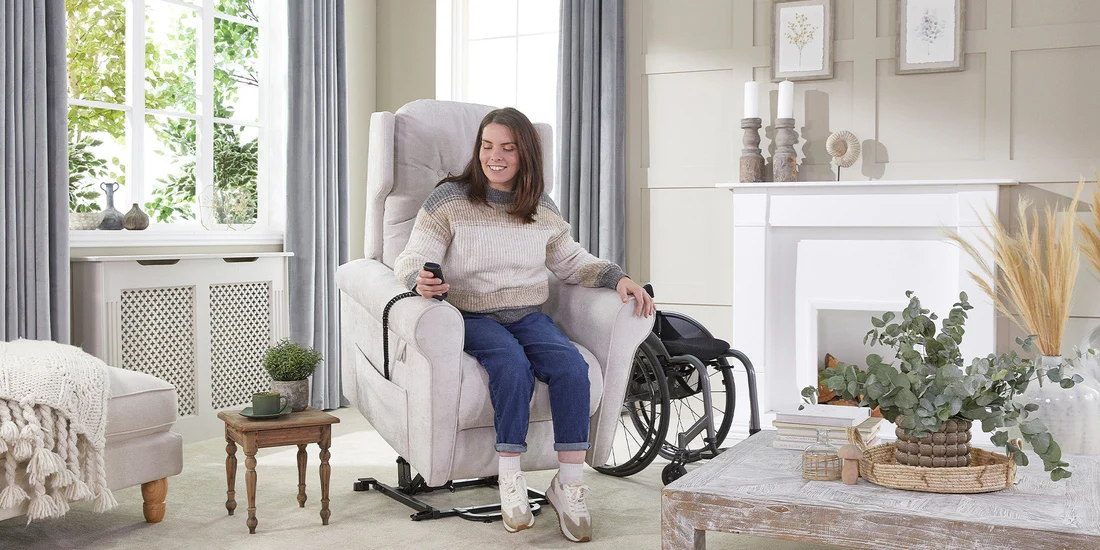
Finding the right recliner for older adults involves more than just comfort and style. Safety is a top priority, especially when it comes to preventing slips and falls. Selecting non-slip recliner materials can make a significant difference in daily living for seniors, helping them feel secure and independent in their own homes. This article offers practical advice and expert insights on evaluating fabrics, finishes, and features that minimize sliding and maximize stability.
Alongside safety, it’s important to consider other supportive features. For example, the benefits of a high backrest for seniors include improved neck support and posture, which can further enhance comfort and safety. By focusing on the right materials and thoughtful design, you can help create a safer, more enjoyable seating experience for your loved ones.
Why Non-Slip Materials Matter for Senior Recliners
Many seniors experience reduced mobility, balance issues, or limited strength, making it crucial to have seating that supports safe movement. Recliners with slippery fabrics or finishes can increase the risk of sliding forward or struggling to get up, leading to potential injuries. By choosing non-slip recliner materials, you help ensure that getting in and out of the chair is easier and safer.
Non-slip surfaces also provide peace of mind for caregivers and family members. They reduce the need for constant supervision and allow older adults to enjoy their favorite chair with greater confidence.
Key Factors When Selecting Non-Slip Recliner Fabrics
Not all upholstery is created equal. Here are some essential considerations for picking the best non-slip options:
- Texture: Look for fabrics with a slightly rough or textured surface. Materials such as chenille, microfiber, and some woven polyesters offer more grip than smooth leather or vinyl.
- Grip: Test the fabric by running your hand across it. If your hand slides easily, the material may be too slick for seniors. A gentle resistance is ideal.
- Durability: Seniors often use their recliners daily, so the fabric should withstand frequent use without wearing down or becoming slippery over time.
- Ease of Cleaning: Choose materials that are easy to wipe clean or machine washable, as spills and stains are common.
Popular Non-Slip Upholstery Choices for Seniors
Some materials consistently perform well for slip-resistance and comfort:
- Microfiber: This synthetic fabric is soft, durable, and naturally grippy. It resists stains and is easy to clean, making it a favorite for senior recliners.
- Chenille: With its plush, textured surface, chenille offers excellent traction and a cozy feel.
- Woven Polyester: Tightly woven polyester blends provide a good balance of grip and breathability.
- Textured Cotton: Some cotton fabrics with a visible weave can also help prevent slipping, though they may require more frequent cleaning.
While leather and faux leather are stylish and easy to wipe down, they tend to be slick and are generally not recommended for seniors who need extra stability.
Additional Features That Enhance Safety
Beyond the upholstery, several design elements can further reduce the risk of slipping and support seniors’ needs:
- Firm Seat Cushions: Softer cushions may cause users to sink in and struggle to rise. Firmer seats provide better support and make standing up easier.
- Armrests: Well-padded, sturdy armrests give seniors something to hold onto when sitting or standing.
- Anti-Slip Pads: Some recliners come with or can be fitted with non-slip pads or mats beneath the seat cushion for extra security.
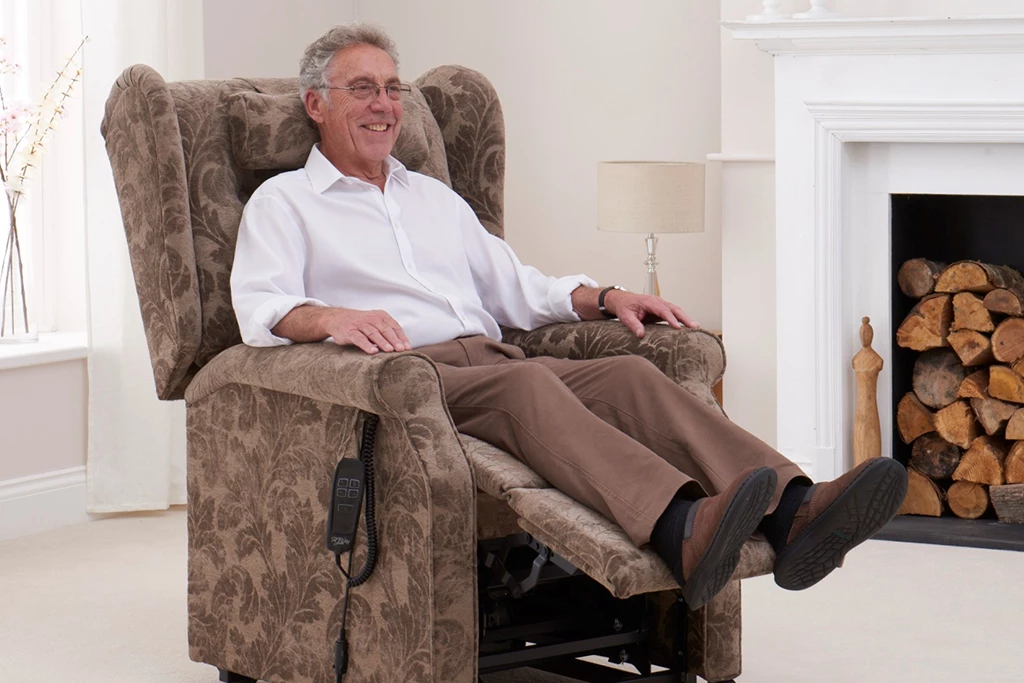
- Lift Mechanisms: Electric lift recliners gently raise the user to a near-standing position, minimizing the effort required to get up. For more information on these, see the benefits of electric lift recliners.
Considering these features along with non-slip recliner materials creates a safer and more supportive environment for seniors.
How to Test Recliner Materials for Slip Resistance
It’s always best to try out a recliner in person if possible. Here are some simple tests to evaluate slip resistance:
- Sit down and shift your weight. If you feel yourself sliding forward, the material may not be suitable.
- Try standing up from a seated position. Notice if the fabric helps you stay stable or if it feels slick.
- Check the seat and backrest for any loose or sagging areas, as these can increase the risk of slipping.
If shopping online, look for detailed product descriptions and customer reviews that mention the texture and grip of the upholstery. Many retailers also offer swatches or samples upon request.
Maintaining Non-Slip Recliner Surfaces
Even the best materials can lose their grip if not cared for properly. Here are some tips for maintaining slip-resistant upholstery:
- Vacuum regularly to remove dust and debris that can make surfaces slick.
- Wipe up spills promptly to prevent staining and residue buildup.
- Avoid using fabric softeners or conditioners, as these can leave a slippery film.
- Periodically check for wear and tear, especially in high-use areas like the seat and armrests.
With proper care, your recliner will remain a safe and comfortable spot for years to come.
Other Considerations for Senior Recliner Selection
While choosing non-slip recliner materials is crucial, it’s also wise to think about additional features that improve daily living. Options like side pockets for storage, cup holders for convenience, and easy-to-reach controls can make a big difference. Explore the benefits of side pockets in senior recliners to see how these thoughtful additions can help keep essentials within reach and reduce unnecessary movement.
For those interested in mobility, swivel recliners for seniors offer flexibility in positioning and can make it easier to access different parts of a room without standing up.
Frequently Asked Questions
What are the safest recliner fabrics for seniors prone to slipping?
Microfiber, chenille, and woven polyester are among the safest choices. These fabrics offer a textured surface that helps prevent sliding, while also being comfortable and easy to maintain.
Can I add non-slip covers to an existing recliner?
Yes, non-slip covers and pads are available and can be placed over existing upholstery to improve grip. Make sure the cover fits securely and does not bunch up, as loose covers can create new hazards.
Are leather recliners suitable for seniors with mobility issues?
Leather and faux leather recliners are generally not recommended for those at risk of slipping. These materials tend to be slick, especially when new or polished, and may not provide the necessary traction for safe use.
Conclusion
Prioritizing non-slip recliner materials is a practical step toward enhancing safety and comfort for seniors. By focusing on textured, durable fabrics and supportive design features, you can help reduce the risk of slips and falls. Remember to test materials in person when possible, maintain upholstery regularly, and consider additional features that support daily living. With the right information and careful selection, you’ll find a recliner that offers both peace of mind and lasting comfort for your loved ones.