

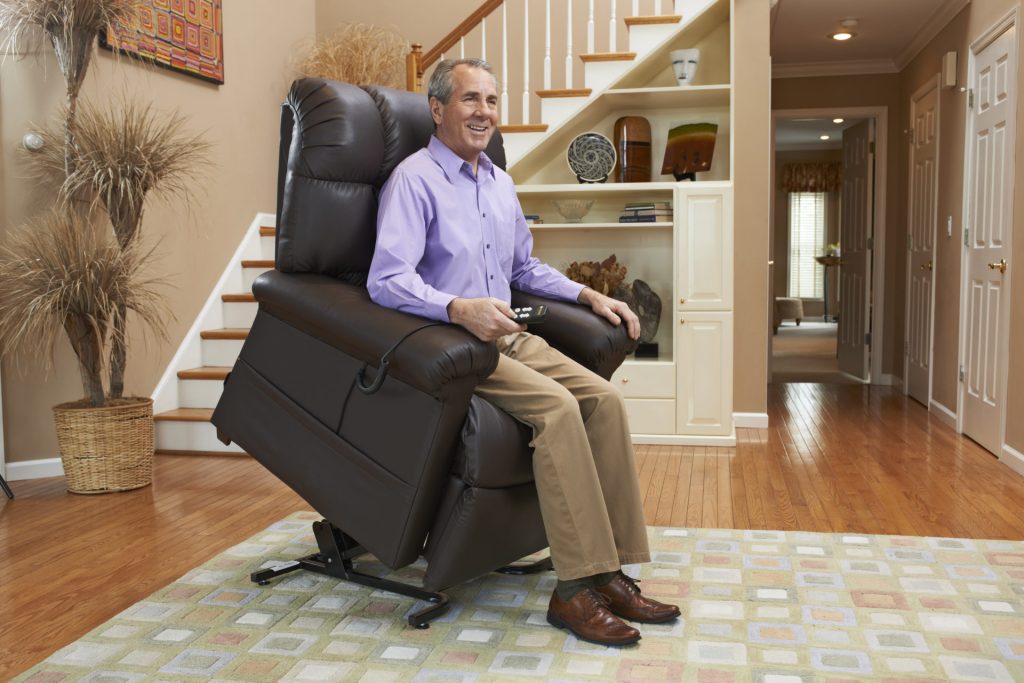
Senior recliner chairs are a valuable investment for comfort, mobility, and independence. Over time, daily use, spills, and mechanical wear can shorten their usable life. If you want to get the most from your chair and keep it in top condition for years, it’s important to follow best practices for care and maintenance. This guide covers practical steps and expert tips to help you increase the lifespan of a senior recliner and ensure it remains safe, supportive, and comfortable for as long as possible.
From cleaning routines to mechanical checks, and from fabric protection to smart usage habits, we’ll explore everything you need to know. If you’re interested in learning about the benefits of a high backrest for seniors or want to compare different recliner features, you’ll find helpful resources linked throughout this article.
Why Proper Care Matters for Senior Recliners
Senior recliners are designed to provide ergonomic support, ease of use, and enhanced safety for older adults. However, without regular attention, even the best models can develop issues such as sagging cushions, noisy mechanisms, or electrical faults. By adopting a proactive approach to care, you can extend the useful life of your chair, maintain its comfort, and avoid costly repairs or replacements.
Proper maintenance not only preserves the chair’s appearance but also ensures it continues to deliver the support and safety features that seniors rely on. For those interested in additional features, such as benefits of cup holders in senior recliners, keeping your chair in good shape means you’ll enjoy all its conveniences for longer.
Routine Cleaning and Fabric Protection
One of the most effective ways to increase the lifespan of a senior recliner is to keep it clean. Dirt, dust, and spills can cause fabric deterioration and unpleasant odors. Here’s how to maintain upholstery and leather finishes:
- Vacuum regularly: Use a soft brush attachment to remove dust and crumbs from the surface and crevices.
- Spot clean spills immediately: Blot (don’t rub) with a clean, damp cloth. For stubborn stains, use a mild upholstery cleaner suitable for your chair’s material.
- Protect against moisture: Avoid eating or drinking directly on the chair if possible. Consider using washable covers or armrest protectors for added defense.
- Condition leather: If your recliner has leather upholstery, apply a leather conditioner every 6–12 months to prevent cracking and fading.
For more on keeping your recliner organized and clean, you might find value in the benefits of side pockets in senior recliners for convenient storage and reduced clutter.

Mechanical Maintenance and Safety Checks
Mechanical parts are critical for the smooth operation and safety of a recliner. Here’s how to keep them in optimal condition:
- Inspect moving parts: Every few months, check hinges, levers, and joints for signs of wear or looseness. Tighten screws and bolts as needed.
- Lubricate mechanisms: Use a silicone-based lubricant on metal joints and moving parts to prevent squeaks and ensure smooth motion. Avoid oil-based products that can attract dust.
- Test electrical components: If your chair is powered, check the remote, lift function, and power cords regularly. Replace frayed cords and ensure connections are secure. For tips on keeping cords out of the way, see this guide on how to hide recliner power cords for safety.
- Check for stability: Make sure the chair sits evenly on the floor and doesn’t wobble. Uneven legs or a shifting base can be a safety hazard.
Routine mechanical checks not only extend the life of your chair but also help prevent accidents and ensure continued ease of use.
Smart Usage Habits to Prolong Recliner Life
How you use your chair plays a big role in its durability. Adopting the following habits can help you increase the lifespan of a senior recliner and keep it looking and functioning like new:
- Avoid sudden movements: Don’t force the recliner open or closed. Use the controls gently to prevent strain on the mechanism.
- Respect weight limits: Always follow the manufacturer’s guidelines for maximum weight capacity to avoid damaging the frame or motor.
- Rotate seating position: If possible, change where you sit to distribute wear evenly across the cushions.
- Keep pets off the chair: Pet claws and fur can cause scratches and accelerate fabric wear.
- Supervise children: Recliners are not toys. Prevent children from jumping or playing on the chair to avoid mechanical damage.
By following these usage tips, you’ll help preserve the chair’s structure and comfort for years to come.
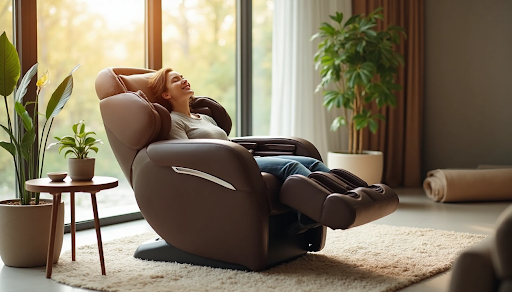
Protecting Your Recliner from Environmental Damage
Environmental factors can also affect the longevity of your chair. Here are a few ways to shield your recliner from unnecessary wear:
- Avoid direct sunlight: Prolonged exposure to sunlight can fade fabrics and dry out leather. Place your chair away from windows or use curtains to block harsh rays.
- Control humidity: Excess moisture can cause mold and mildew, while very dry air can crack leather. Use a humidifier or dehumidifier as needed to maintain a balanced indoor climate.
- Keep away from heat sources: Don’t place your recliner near radiators, fireplaces, or heating vents, as heat can warp materials and damage electronics.
Taking these precautions helps maintain both the appearance and function of your chair over time.
When to Seek Professional Help
Some issues require more than routine care. If you notice persistent mechanical problems, electrical faults, or significant structural damage, it’s best to contact a professional repair service. Attempting complex repairs yourself may void warranties or cause further damage. Many manufacturers offer service plans or can recommend trusted technicians for senior recliner repairs.
For a broader look at the pros and cons of recliner chairs for elderly people, you can read more from independent experts.
Additional Tips for Maximizing Recliner Value
To further enhance the longevity and comfort of your chair, consider these extra strategies:
- Follow the user manual: Always refer to the manufacturer’s instructions for cleaning, maintenance, and troubleshooting.
- Schedule annual checkups: Set a reminder to inspect your chair thoroughly each year, addressing any minor issues before they become major problems.
- Upgrade accessories: If your needs change, look for compatible add-ons such as lumbar pillows, washable covers, or side tables.
- Store manuals and receipts: Keep documentation handy for warranty claims or future repairs.
For those curious about other types of seating, you may want to explore the features and mobility of swivel recliners for seniors as well.
Frequently Asked Questions
How often should I clean my senior recliner?
It’s best to vacuum your chair weekly and spot clean spills as soon as they occur. Deep cleaning or conditioning (for leather) should be done every 6–12 months, depending on usage and manufacturer recommendations.
What should I do if my recliner starts making noise?
Noisy mechanisms are often caused by dry or loose parts. Check for loose bolts and apply a silicone-based lubricant to moving joints. If the noise persists, consult a professional to avoid further damage.
Can I use generic cleaning products on my recliner?
Always check the manufacturer’s guidelines before using any cleaning products. Some chemicals can damage upholstery or leather. Use cleaners specifically designed for your chair’s material to avoid discoloration or deterioration.
Is it safe to repair electrical faults myself?
Electrical repairs should be handled by qualified professionals. Attempting repairs yourself can be dangerous and may void your warranty. If you notice issues with the power or lift mechanism, contact the manufacturer or a trusted technician.