

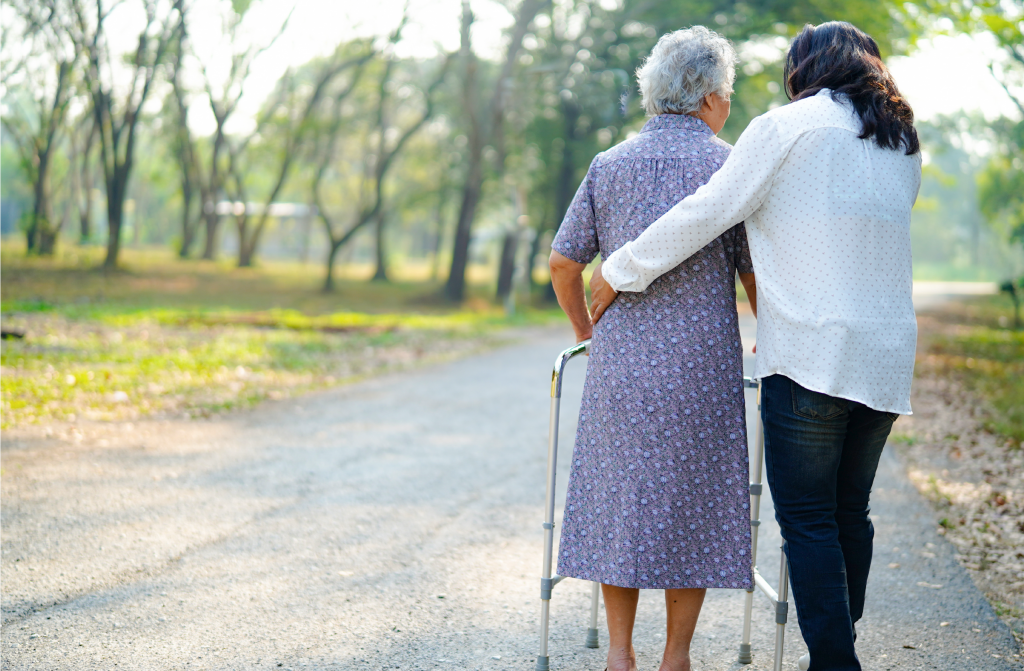
Falls are a leading cause of injury among older adults, often resulting in significant health complications and loss of independence. Creating a safer environment and adopting practical fall prevention solutions for elderly can make a meaningful difference in the quality of life for seniors and peace of mind for their families. This guide explores proven strategies, adaptive technologies, and actionable steps to minimize risks and support aging in place.
Addressing home safety is not just about removing hazards—it’s about empowering seniors to maintain their routines with confidence. By combining simple modifications, smart devices, and regular assessments, families can significantly reduce the likelihood of accidents. For those interested in how technology is shaping senior care, our article on senior health insights from monitoring data provides additional perspective on proactive well-being.
Understanding Fall Risks in Older Adults
Aging brings changes in balance, vision, muscle strength, and reaction time. Chronic conditions like arthritis, diabetes, and heart disease can further increase vulnerability. Medications may cause dizziness or drowsiness, while environmental factors—such as poor lighting or clutter—add to the danger.
Recognizing these risks is the first step. Regular check-ups, medication reviews, and honest conversations about mobility challenges help families and caregivers tailor prevention strategies to each individual’s needs.
Key Home Modifications for Safety
Simple adjustments throughout the home can dramatically reduce the risk of falls. Here are some of the most effective changes:
- Remove tripping hazards: Keep walkways clear of cords, loose rugs, and clutter.
- Improve lighting: Install bright, glare-free lights in hallways, staircases, and entryways. Use nightlights in bedrooms and bathrooms.
- Secure handrails and grab bars: Place sturdy rails on both sides of stairs and grab bars near toilets and in showers.
- Non-slip surfaces: Add non-slip mats to bathtubs, showers, and kitchen floors.
- Rearrange furniture: Ensure easy access to frequently used items and create wide, unobstructed paths.
These modifications are cost-effective and can be implemented gradually, making the home safer without major renovations.
Assistive Devices and Smart Technology
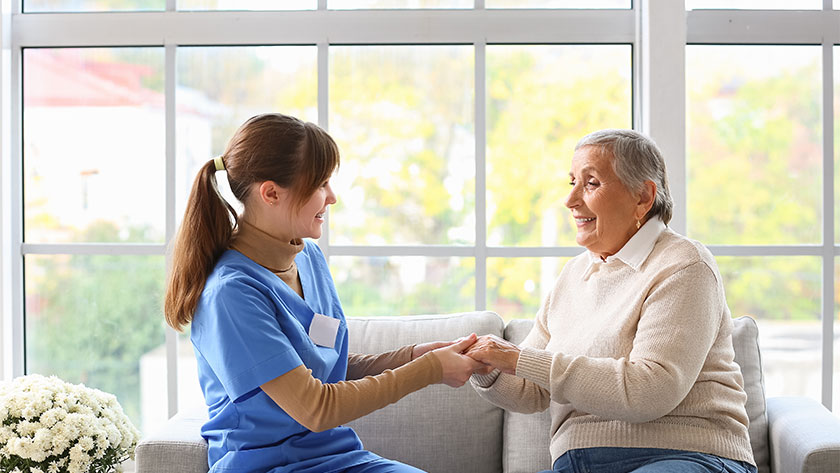
Modern technology has introduced a range of devices that support fall prevention solutions for elderly at home. These tools not only detect potential incidents but also offer timely alerts for caregivers and family members.
- Bed and chair alarms: These devices notify caregivers if a senior attempts to get up unassisted, helping prevent falls during vulnerable moments.
- Motion sensors: Wireless alarms can monitor movement in hallways or near stairs, alerting caregivers to unusual activity.
- Wearable emergency buttons: Seniors can call for help immediately after a fall, reducing response time and improving outcomes.
- Smart lighting systems: Automated lights triggered by motion reduce the risk of stumbling in the dark.
For a deeper look at how sensors are transforming elderly care, explore this overview of sensors for elderly care. These innovations are increasingly accessible and can be tailored to different living situations.
Daily Habits That Support Balance and Mobility
Beyond environmental changes, daily routines play a crucial role in preventing falls. Encouraging healthy habits can make a significant difference:
- Regular exercise: Activities like walking, tai chi, and gentle strength training improve balance and flexibility.
- Vision care: Schedule annual eye exams and keep prescriptions up to date.
- Footwear: Wear supportive, non-slip shoes both indoors and outdoors.
- Hydration and nutrition: Maintain a balanced diet and drink enough fluids to prevent dizziness and weakness.
- Medication management: Review medications with a healthcare provider to minimize side effects that could increase fall risk.
These habits, combined with regular check-ins, help seniors maintain independence and confidence in their daily lives.

Involving Family and Caregivers in Safety Planning
Effective fall prevention strategies for seniors require teamwork. Family members and caregivers should participate in regular safety assessments, discuss changes in mobility, and encourage open communication about concerns. Using checklists and scheduling periodic home reviews can help identify new hazards as needs evolve.
For those interested in integrating more technology into daily routines, our resource on smart assistance for elderly independence highlights helpful gadgets that support both safety and autonomy.
When to Seek Professional Help
Sometimes, despite best efforts, additional support is needed. Occupational therapists can recommend personalized modifications and exercises. Home health agencies offer assessments and ongoing care, while local aging services may provide resources for home adaptation and mobility aids.
If a senior has experienced a recent fall or shows signs of declining balance, consult a healthcare provider promptly. Early intervention can prevent further incidents and support recovery.
Frequently Asked Questions
What are the most common causes of falls in older adults?
The most frequent causes include poor balance, muscle weakness, vision problems, side effects from medications, and environmental hazards such as loose rugs or inadequate lighting.
How can technology help prevent falls at home?
Devices like bed alarms, motion sensors, and smart lighting systems can alert caregivers to movement, provide timely assistance, and ensure safer navigation, especially at night.
Are there specific exercises recommended for improving balance?
Yes, activities such as tai chi, gentle yoga, and strength training are effective for enhancing balance and coordination. Consult a physical therapist for a program tailored to individual needs.
Conclusion: Creating a Safer Home for Seniors
Implementing fall prevention solutions for elderly is a proactive way to support health, independence, and dignity. By combining home modifications, smart devices, healthy routines, and open communication, families can create an environment where seniors thrive. For those exploring advanced options, learning about future smart homes for seniors and AI driven senior wellness solutions can provide further inspiration for long-term safety and well-being.