


Finding the right recliner can make a significant difference for those living with persistent back discomfort. The right chair provides essential support, encourages healthy posture, and can help reduce pain during rest and relaxation. However, with so many options available, selecting the ideal model requires careful consideration of several key factors. This guide will walk you through what to look for, common mistakes to avoid, and how to make an informed decision that supports your comfort and well-being.
For older adults and those seeking accessible technology, pairing a supportive recliner with other user-friendly devices—like voice controlled tablets—can further improve daily comfort and independence.
Understanding Recliner Features That Support Back Health
When evaluating recliners for chronic back pain, it’s essential to focus on features that provide lumbar support, encourage proper alignment, and allow for customizable comfort. Not all recliners are created equal—some are designed with aesthetics in mind, while others prioritize ergonomic benefits.
- Lumbar Support: Look for chairs with built-in lumbar cushions or adjustable lumbar mechanisms. Proper support in the lower back area helps maintain the spine’s natural curve and reduces strain.
- Adjustability: Recliners with multiple reclining positions, including zero-gravity or infinite position options, allow users to find the most comfortable angle for their specific needs.
- Seat Depth and Height: The seat should be deep enough to support your thighs without cutting off circulation, and the height should allow your feet to rest flat on the floor.
- Head and Neck Support: A well-padded headrest can relieve tension in the upper back and neck, especially during extended periods of sitting.
Key Considerations When Shopping for a Recliner for Back Pain
Choosing the best recliner for long-term comfort involves more than just testing how soft it feels in the showroom. Here are some critical factors to keep in mind:
- Test the Recline Mechanism: Manual and power recliners operate differently. Power recliners often provide smoother transitions and more precise positioning, which can be especially helpful for those with limited mobility.
- Check for Sturdy Construction: A solid frame (often hardwood or metal) ensures the chair remains supportive over time. Wobbly or lightweight frames may not provide adequate support for chronic conditions.
- Evaluate Cushioning: High-density foam or memory foam cushions offer better support and durability than low-density alternatives. Avoid overly soft chairs that allow you to sink in, as they may worsen back pain.
- Upholstery Material: Breathable fabrics like cotton or performance blends can help regulate temperature, while leather or faux leather is easier to clean but may feel warmer.
- Ease of Use: Consider how easy it is to operate the recliner, especially if you have arthritis or limited hand strength. Large, accessible buttons or levers are preferable.
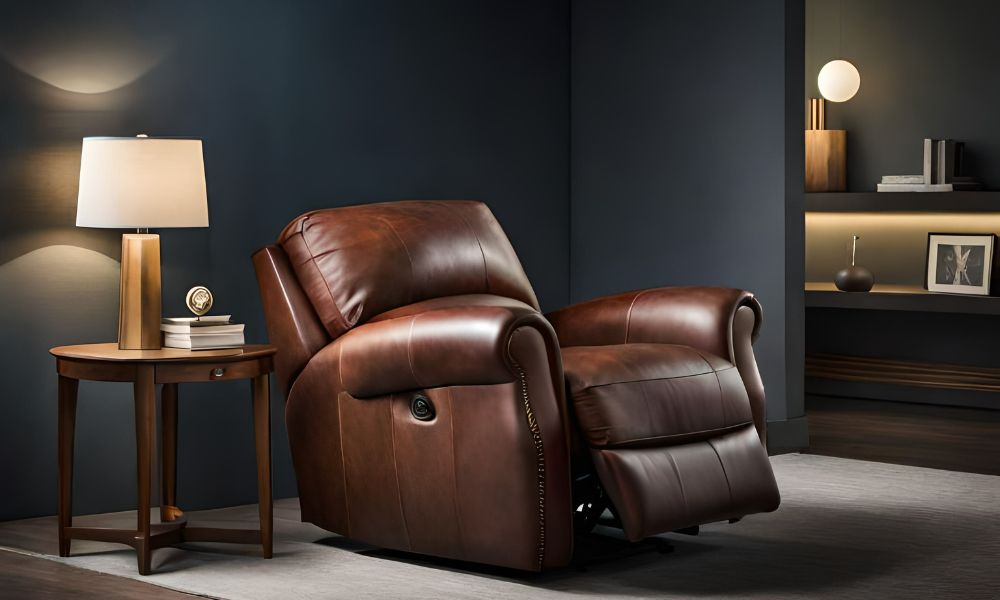
Comparing Recliner Types for Chronic Back Pain Sufferers
There are several types of recliners on the market, each with unique benefits for those managing ongoing back discomfort. Understanding these differences can help narrow your choices:
| Type | Key Features | Best For |
|---|---|---|
| Traditional Recliners | Manual lever, basic reclining positions, classic design | Budget-conscious buyers, occasional use |
| Power Recliners | Electric controls, infinite positions, often include USB ports | People with mobility issues, those seeking precise adjustments |
| Lift Chairs | Motorized lift function, helps users stand up safely | Seniors, individuals with severe mobility challenges |
| Zero-Gravity Recliners | Distributes weight evenly, reduces spinal pressure | Chronic pain sufferers, those seeking maximum relief |
How to Assess Recliner Comfort and Support in Person
Trying out a recliner before purchase is highly recommended, especially for those with chronic back issues. Here’s how to evaluate comfort and support during your visit to a furniture store:
- Sit with your back fully against the backrest. Your lower back should feel supported, not arched or slouched.
- Test the reclining mechanism at various angles. Notice if there’s adequate support at every position, especially in the lumbar region.
- Check that your feet rest comfortably on the floor when seated upright, and that your knees are at a 90-degree angle.
- If possible, spend at least 10–15 minutes in the chair to see if any pressure points develop.
For more tips on selecting accessible devices for daily living, see our guide to easy tablets for beginners.

Additional Tips for Managing Back Pain with Recliners
While a supportive chair can make a big difference, it’s important to use your recliner correctly to maximize its benefits:
- Alternate between sitting upright and reclining to avoid stiffness.
- Use a small pillow or rolled towel for extra lumbar support if needed.
- Take breaks to stretch and move around every hour.
- Pair your recliner with other senior-friendly devices, such as large button cell phones, for added convenience and safety at home.
For seniors, a well-chosen recliner can also provide benefits beyond pain relief, such as improved circulation and easier transitions from sitting to standing. Learn more about these advantages in this detailed article on the benefits of reclining chairs for seniors.
Common Mistakes to Avoid When Selecting a Recliner
Many people make the mistake of choosing a recliner based solely on appearance or price. Here are some pitfalls to watch out for:
- Ignoring lumbar support—lack of proper support can worsen pain over time.
- Choosing a chair that’s too large or too small for your body type.
- Overlooking the importance of easy-to-use controls, especially for those with limited dexterity.
- Buying without testing the chair in person, if possible.
Remember, the best recliner for back pain is one that fits your unique needs and provides lasting support.
Frequently Asked Questions
What type of recliner is best for chronic back pain?
Zero-gravity and power recliners with adjustable lumbar support are often recommended for those with ongoing back discomfort. These models allow for precise positioning and help distribute weight evenly, reducing pressure on the spine.
How important is lumbar support in a recliner?
Lumbar support is crucial for maintaining the natural curve of the lower back and preventing slouching. Chairs with built-in or adjustable lumbar features provide the best support for people with chronic pain.
Can a recliner replace a mattress for sleeping if I have back pain?
While some people with severe pain find temporary relief sleeping in a recliner, it’s generally not a substitute for a supportive mattress. Recliners are best used for relaxation and short naps rather than as a permanent sleeping solution.
Is a power recliner better than a manual one for seniors?
Power recliners are often easier to operate, especially for those with limited strength or mobility. They allow for smoother transitions and more customizable positions, making them a popular choice for older adults.
Choosing the right recliner can significantly improve comfort and quality of life for those with persistent back issues. By focusing on support, adjustability, and ease of use, you can find a chair that meets your needs and helps manage pain more effectively.