


Staying connected to music, television, and loved ones is important at any age. For older adults, finding the right audio device can make daily life more enjoyable and accessible. Wireless headphones for elderly users offer a blend of comfort, clarity, and convenience that traditional wired models often lack. With thoughtful features designed for ease of use, these headphones help seniors enjoy their favorite activities without the hassle of tangled cords or complicated controls.
As technology evolves, more seniors are embracing devices that support independence and well-being. Whether it’s listening to audiobooks, making video calls, or simply watching TV, the right pair of headphones can make all the difference. In this guide, we’ll explore what to look for, highlight top features, and provide tips for choosing the best wireless audio solutions for older adults.
For those interested in other accessible technology, consider exploring easy to read smartwatches that offer large displays and user-friendly features tailored for seniors.
Why Comfort and Clarity Matter for Senior Headphone Users
Comfort is a top priority when selecting headphones for older adults. Many seniors wear their headphones for extended periods, whether watching TV, enjoying music, or chatting with family. Lightweight designs and soft ear cushions help prevent discomfort and pressure on sensitive ears. Adjustable headbands and over-ear styles can further enhance comfort, especially for those who wear hearing aids or glasses.
Clarity is equally important. Age-related hearing loss can make it difficult to pick up certain frequencies, so headphones with enhanced sound profiles or built-in amplification are beneficial. Some models offer voice enhancement or noise reduction features, making conversations and media easier to understand. This focus on clear audio ensures that users don’t miss out on important moments or details.
Essential Features in Wireless Headphones for Seniors
When shopping for wireless headphones for elderly users, several features stand out as particularly helpful:
- Simple Controls: Large, clearly labeled buttons make it easier for seniors to adjust volume, skip tracks, or answer calls without confusion.
- Long Battery Life: Extended battery performance means less frequent charging, which is ideal for users who may forget to plug in their devices regularly.
- Easy Charging: Docking stations or magnetic charging cables simplify the process, reducing frustration and the risk of damage.
- Wireless Range: A strong Bluetooth connection allows users to move freely around their home without losing signal.
- Compatibility: Headphones that pair easily with TVs, smartphones, tablets, and hearing aids offer greater flexibility.
- Volume Boost: Some headphones include amplification features or volume limiters for safer listening tailored to individual hearing needs.
For those seeking additional health and safety features, medical alert smartwatches can be a valuable companion to wireless audio devices, offering peace of mind and emergency support.
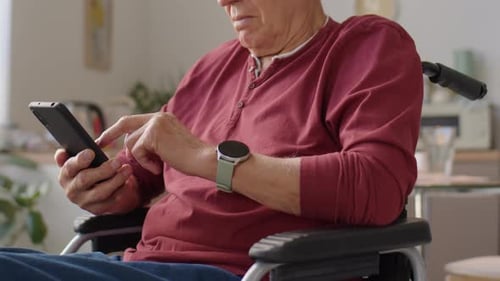
Top Benefits of Cord-Free Listening for Older Adults
Switching to wireless headphones provides several advantages for seniors:
- Freedom of Movement: Without cords, users can move around the house, garden, or even exercise without getting tangled.
- Reduced Tripping Hazards: Eliminating wires lowers the risk of accidents, which is especially important for those with mobility challenges.
- Enhanced Social Connection: Seniors can participate in phone or video calls with family and friends more comfortably, improving communication and reducing feelings of isolation.
- Personalized Listening: Volume and sound settings can be tailored to individual preferences, making it easier to enjoy TV or music without disturbing others.
For those interested in tracking physical activity alongside their listening experience, fitness trackers for seniors can be a great addition to a healthy lifestyle.
How to Choose the Right Wireless Headphones for Elderly Users
With so many options available, selecting the best headphones for seniors can feel overwhelming. Here are some practical tips to guide your decision:
- Assess Hearing Needs: Consider whether the user has mild, moderate, or severe hearing loss. Some headphones are designed specifically to amplify speech or filter out background noise.
- Try Before You Buy: If possible, test different models for comfort and sound quality. Look for adjustable features and soft padding.
- Check Compatibility: Ensure the headphones will work with the devices most frequently used, such as TVs, tablets, or smartphones.
- Read Reviews: Look for feedback from other seniors or caregivers to gauge real-world performance and reliability.
- Consider Support: Choose brands that offer good customer service and clear instructions, which can be especially helpful for first-time users.
For a broader look at helpful technology, see this roundup of top tech gadgets for seniors in 2025 for more ideas on staying connected and independent.

Frequently Asked Questions
What types of wireless headphones are best suited for seniors?
Over-ear and on-ear headphones with soft padding and adjustable bands are generally the most comfortable for older adults. Look for models with simple controls, clear sound quality, and features like voice amplification or noise cancellation to address age-related hearing changes.
Can wireless headphones be used with hearing aids?
Many modern wireless headphones are compatible with hearing aids, especially those designed with open-back or over-ear styles. Some models offer direct streaming to hearing aids via Bluetooth. It’s important to check compatibility with the specific hearing aid brand and model before purchasing.
How do I make sure the headphones are easy to use for someone with limited dexterity?
Choose headphones with large, tactile buttons and straightforward controls. Models with voice prompts, automatic pairing, and easy charging docks can further simplify the user experience for those with arthritis or reduced hand strength.
Conclusion: Enhancing Daily Life with the Right Audio Solution
Finding the ideal wireless headphones for elderly users can significantly improve comfort, safety, and enjoyment in everyday activities. By focusing on features like clear audio, simple controls, and comfortable design, seniors can stay connected to their favorite media and loved ones with greater ease. As technology continues to evolve, accessible audio solutions will play an even bigger role in supporting independence and quality of life for older adults.
For those interested in wearable technology that complements wireless listening, check out the best smartwatches for seniors for additional options that promote health, safety, and connectivity.