


Staying active and keeping track of health metrics is important at any age, but it becomes especially valuable for older adults. Fitness trackers for seniors offer a simple way to monitor steps, heart rate, sleep, and even detect falls or send alerts. The right device can help older adults maintain independence, encourage healthy habits, and provide peace of mind for family members.
Choosing a wearable for older adults is different than shopping for a general fitness tracker. Seniors often need devices that are easy to use, have clear displays, and offer essential health monitoring features without unnecessary complexity. In this article, we’ll explore what to look for in a senior-friendly tracker, highlight top options, and answer common questions about using these devices.
For those interested in other easy-to-use technology, check out our guide to voice controlled tablets for hands-free device operation.
Why Health Trackers Are Beneficial for Older Adults
Wearable health monitors have become increasingly popular among older adults for several reasons:
- Motivation to Move: Step counters and activity reminders encourage daily movement, which is crucial for mobility and overall well-being.
- Vital Sign Monitoring: Many devices track heart rate, sleep quality, and sometimes even blood oxygen, helping users and caregivers spot potential health issues early.
- Safety Features: Some trackers include fall detection or emergency SOS functions, providing an extra layer of security for those living alone.
- Easy Communication: Certain models can send alerts or share health data with family members or healthcare providers.
For seniors who want to stay connected, some fitness trackers can even integrate with easy to use smartphones for seniors or tablets, making it simple to share health updates or receive reminders.
Key Features to Look for in Fitness Trackers for Seniors
Not all wearables are created equal. When selecting a device for an older adult, consider the following:
- Simple Interface: Large, easy-to-read displays and intuitive controls are essential. Complicated menus or tiny buttons can be frustrating.
- Long Battery Life: Devices that last several days on a single charge reduce the hassle of frequent charging.
- Comfortable Fit: Lightweight, adjustable bands are more likely to be worn consistently.
- Essential Health Metrics: Look for step tracking, heart rate monitoring, and sleep tracking. Some models add blood pressure or oxygen monitoring.
- Emergency Features: Fall detection, SOS alerts, or GPS tracking can be invaluable for seniors who live alone or have medical conditions.
- Water Resistance: A splash-proof or waterproof device is more durable and can be worn during daily activities.
For those who want an even simpler experience, consider pairing a tracker with easy tablets for beginners that offer large icons and straightforward navigation.
Top Picks: Senior-Friendly Fitness Bands and Watches
Below are some of the best options for older adults, focusing on ease of use, reliability, and essential health features:
- Pedometer Watches: Simple step counters with large displays and one-button operation are ideal for those who want basic activity tracking without smartphone pairing. Many models are waterproof and have long battery life.
- Smartwatches with Health Alerts: Devices like the Apple Watch SE or Samsung Galaxy Watch offer advanced health monitoring, including fall detection, heart rate alerts, and emergency SOS. These are best for tech-savvy seniors comfortable with touchscreens.
- Dedicated Senior Wearables: Some trackers are designed specifically for older adults, with features like medication reminders, caregiver alerts, and easy charging docks.
For a more detailed look at mobile devices designed for older users, see our review of best phones for elderly parents.
How to Set Up and Use a Health Tracker
Getting started with a new device doesn’t have to be overwhelming. Here are some practical steps:
- Charge the Device: Fully charge before first use to ensure accurate setup.
- Adjust the Fit: Make sure the band is snug but comfortable. A loose fit can affect sensor accuracy.
- Follow the Setup Guide: Most trackers come with simple instructions. Some require pairing with a smartphone or tablet, while others work independently.
- Set Health Goals: Many devices allow you to set daily step or activity targets. Start with realistic goals and adjust as needed.
- Enable Safety Features: If your device supports fall detection or SOS alerts, make sure these are turned on and emergency contacts are set up.
If you need a device with a larger screen for setup or reading notifications, consider pairing your tracker with a voice controlled tablet for added convenience.
Comparing Fitness Trackers, Phones, and Tablets for Seniors
While wearable devices are great for health tracking, some seniors may prefer alternatives like phones or tablets with large screens and simple interfaces. For example, phones designed for seniors often feature emergency buttons, amplified sound, and easy navigation. Tablets like the GrandPad offer video calling, medication reminders, and health apps tailored for older adults.
Choosing between a wearable, phone, or tablet depends on individual needs. Those who want continuous health monitoring and step tracking may prefer a wrist-worn device, while others who value communication and entertainment might opt for a senior-friendly phone or tablet.
FAQ: Common Questions About Fitness Trackers for Older Adults
Are fitness trackers difficult for seniors to use?
Most modern devices aimed at older adults are designed for simplicity. Look for models with large displays, minimal buttons, and clear instructions. Many also offer voice prompts or companion apps with easy navigation.
Do I need a smartphone to use a fitness tracker?
Not always. Some basic pedometer watches work independently and display all information on the device itself. However, advanced features like fall detection, GPS, or health data sharing may require pairing with a smartphone or tablet.
What health metrics should seniors track?
The most useful features are step counting, heart rate monitoring, and sleep tracking. Some devices also offer blood oxygen or blood pressure monitoring. Emergency alerts and fall detection can provide added safety for those with health concerns.
Can fitness trackers help with medication reminders?
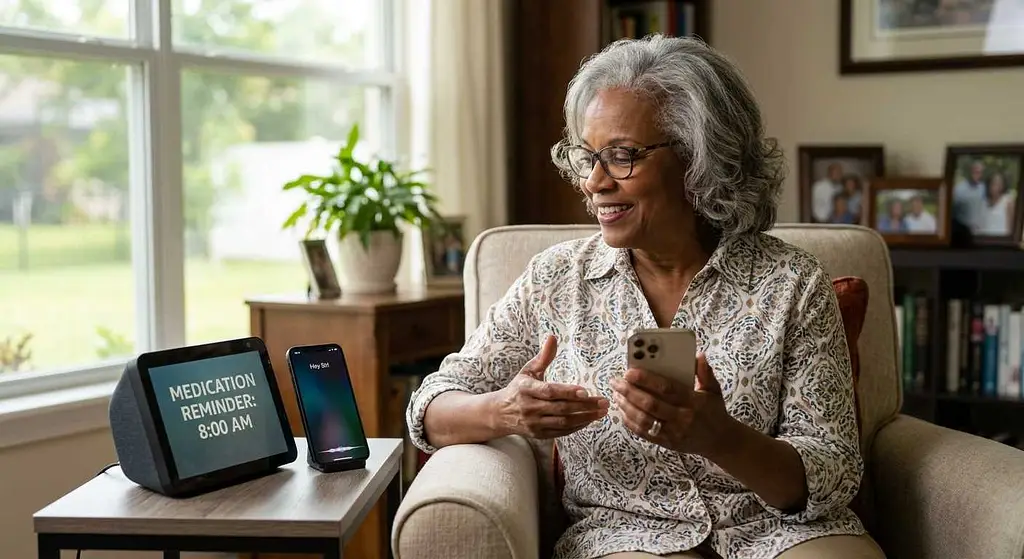
Some senior-focused wearables and smartwatches allow users to set medication reminders. Alternatively, pairing a tracker with a tablet or phone that supports reminder apps can be an effective solution.
Conclusion
Choosing the right fitness trackers for seniors can make a significant difference in health, safety, and daily motivation. Focus on ease of use, comfort, and essential health features when selecting a device. Whether you prefer a simple pedometer, a smartwatch with advanced alerts, or a companion tablet, there are excellent options available to support active and independent living for older adults.