

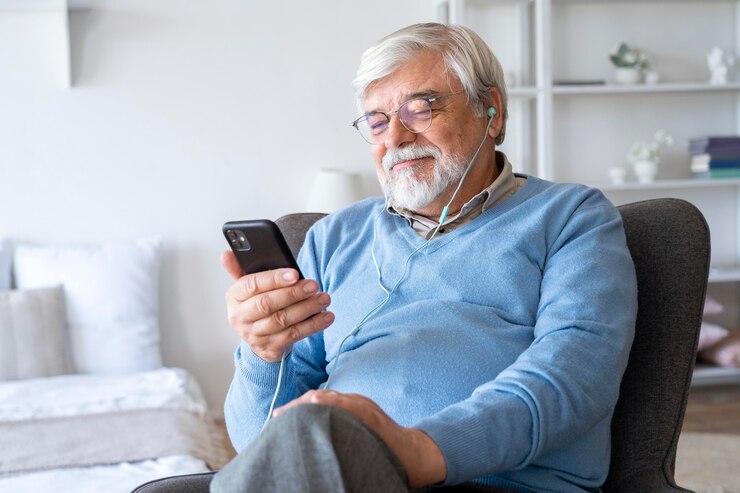
Finding the best earbuds for hearing impaired users is essential for anyone seeking enhanced clarity and comfort in daily listening. Whether you’re searching for a solution for yourself or a loved one, the right pair can make conversations, music, and calls more accessible and enjoyable. With so many options available, it’s important to know what features matter most and how to choose earbuds that truly support those with hearing difficulties.
This guide explores what makes certain earbuds stand out for people with hearing loss, including amplification, noise reduction, and comfort. We’ll also highlight practical tips for getting the clearest sound possible, and point you to additional resources like amplified phones for hearing loss for a more comprehensive approach to hearing support.
Why Specialized Earbuds Matter for Hearing Loss
Standard earbuds often fall short for those with hearing challenges. Many lack the amplification, clarity, and frequency response needed to make speech and music truly accessible. Specialized models designed for hearing-impaired users address these concerns with features such as:
- Amplified sound to boost quiet voices and soft music passages
- Enhanced speech clarity for easier conversation and phone calls
- Customizable sound profiles to match individual hearing needs
- Noise reduction technology to minimize background distractions
- Comfortable, secure fit for extended wear
For some, over-ear headphones may also be a good option. If you’re interested in alternatives, consider exploring wireless headphones for elderly users for additional comfort and features.
Key Features to Look for in Earbuds for Hearing Impairment
When searching for the right earbuds, it’s important to focus on features that directly address hearing challenges. Here are the most important aspects to consider:
Amplification and Volume Boost
Look for earbuds that offer built-in amplification or volume boost. This helps make soft sounds more audible without distorting louder ones. Many models allow users to adjust amplification settings, making them suitable for varying degrees of hearing loss.
Speech Enhancement and Clarity
Speech enhancement technology isolates and clarifies voices, making conversations much easier to follow. This is especially useful in noisy environments or during phone calls. Some earbuds use directional microphones to further improve speech recognition.
Noise Reduction and Ambient Sound Control
Active noise cancellation (ANC) and passive noise isolation help block out unwanted background noise. For those with hearing loss, this can make a dramatic difference in clarity. Some earbuds also offer transparency or ambient modes, allowing important sounds (like alarms or voices) to come through when needed.
Customizable Sound Profiles
Many advanced earbuds allow users to personalize sound settings through companion apps. This can include adjusting frequencies, creating custom EQ profiles, or even running a hearing test to tailor the sound output to your specific needs.
Comfort and Secure Fit
Comfort is crucial, especially for all-day wear. Look for earbuds with multiple ear tip sizes and ergonomic designs. A secure fit not only improves comfort but also enhances sound quality and noise isolation.
Top Earbud Recommendations for Clear Sound
Several brands offer earbuds specifically designed for people with hearing loss. While individual needs vary, the following features are commonly found in the most effective models:
- Personal sound amplification (PSAP) technology
- Bluetooth connectivity for easy pairing with phones and tablets
- Long battery life for uninterrupted listening
- Simple, intuitive controls
- Compatibility with hearing aid features and accessibility settings on devices
For more information on the latest technology for seniors, check out this comprehensive guide to age-friendly tech from Wired.
Tips for Maximizing Earbud Performance
Even the best earbuds require proper setup and care to deliver optimal results. Here are some practical tips to help users with hearing loss get the most out of their devices:
- Try all included ear tips to find the best fit and seal for your ears.
- Use the companion app (if available) to run a hearing test and set up a personalized sound profile.
- Keep earbuds clean and free of earwax, which can block sound and reduce clarity.
- Charge regularly to avoid interruptions, especially before long outings or calls.
- Experiment with noise cancellation and ambient modes to find the right balance for your environment.
If you’re also interested in wearable technology for health and safety, you might want to explore medical alert smartwatches or top-rated smartwatches for seniors as complementary solutions.

How to Choose the Right Earbuds for Your Needs
Selecting the most suitable earbuds depends on your unique hearing profile, lifestyle, and preferences. Here’s a step-by-step approach to help you decide:
- Assess your hearing needs: Consider whether you need amplification, speech enhancement, or both.
- Check for compatibility: Ensure the earbuds work with your phone, tablet, or assistive devices.
- Prioritize comfort and fit: Try different ear tip sizes and shapes.
- Read reviews and expert recommendations: Look for feedback from users with similar hearing profiles.
- Test before committing: If possible, try the earbuds in-store or buy from retailers with a good return policy.
For those who experience frequent falls or want added peace of mind, fall detection smartwatches can be a valuable addition to your daily routine.
Frequently Asked Questions
Can earbuds replace traditional hearing aids?
While some advanced earbuds offer amplification and speech enhancement, they are not medical devices and cannot fully replace hearing aids for those with significant hearing loss. However, they can be a helpful supplement for mild to moderate challenges or for specific situations like phone calls and music.
Are there earbuds specifically designed for seniors?
Yes, several manufacturers produce earbuds with seniors in mind, focusing on ease of use, comfort, and features like large buttons, voice prompts, and compatibility with accessibility settings. These models often include amplification and noise reduction tailored to age-related hearing loss.
How do I maintain and clean my earbuds?
Regular cleaning is important for both hygiene and performance. Use a soft, dry cloth to wipe the earbuds and remove earwax from tips and mesh. Avoid using water or harsh chemicals. Store earbuds in their case when not in use to protect them from dust and damage.
What other devices can help with hearing loss?
In addition to earbuds, consider devices like amplified phones, wireless headphones, and medical alert wearables. These can provide additional support for communication, safety, and daily living.
Conclusion
Choosing the right earbuds can significantly improve the quality of life for those with hearing challenges. By focusing on amplification, speech clarity, comfort, and ease of use, you can find a solution that fits your needs. Don’t hesitate to try different models and consult with hearing professionals for personalized advice. For a broader look at technology that supports seniors, explore resources like Wired’s guide to age-friendly tech and related products designed for accessibility and safety.