


As we age, keeping active and mobile can become increasingly challenging. Many seniors find themselves facing mobility issues that can greatly impact their overall well-being. Understanding how to get elderly walking again is crucial for their health and happiness. This article delves into strategies that enable seniors to regain their mobility and improve their quality of life.
Understanding the Importance of Mobility in Seniors
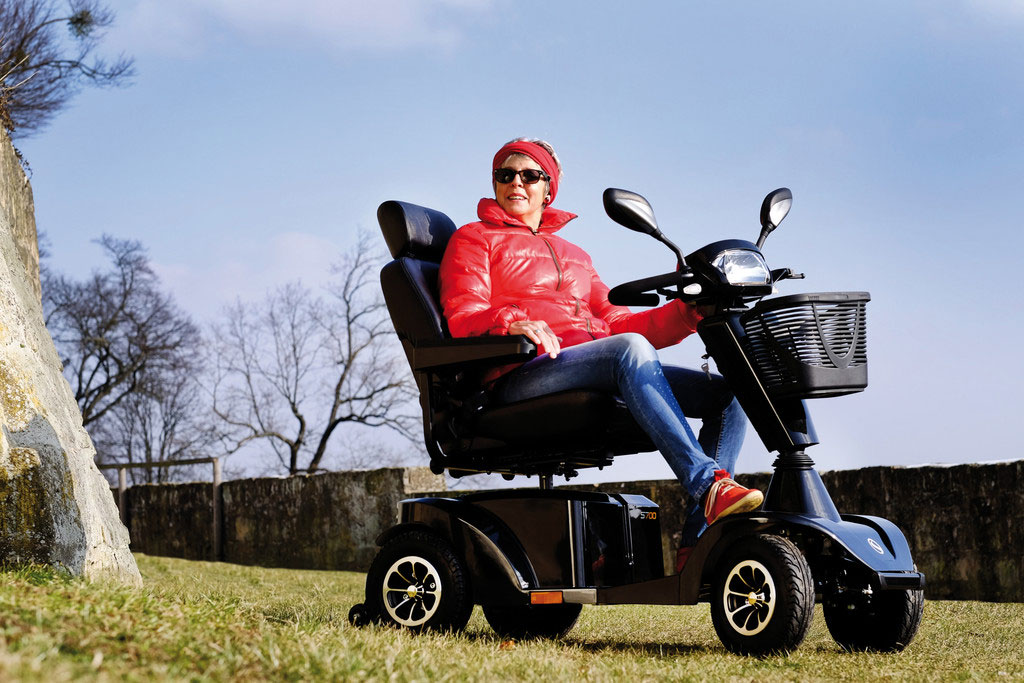
Mobility is essential not only for physical health but also for mental and emotional well-being. For elderly individuals, the ability to walk and move freely can significantly enhance their independence. This independence plays a crucial role in their self-esteem and overall quality of life.
Benefits of Walking for Seniors
Regular walking provides multiple benefits for seniors. It strengthens muscles, provides cardiovascular exercise, and helps maintain a healthy weight. Additionally, walking can improve balance, reducing the risk of falls. Walking also contributes to mental health by providing opportunities for social interactions and exposure to nature.
Challenges Faced by Seniors in Walking
Many seniors face several challenges that make walking difficult. These can include balance disorders, arthritis, muscle weakness, and conditions such as osteoporosis. Knowing how to get elderly walking again involves addressing these challenges systematically.
Steps to Encourage Walking in the Elderly
Consult with Healthcare Providers
Before beginning any new exercise regime, it is important for seniors to consult with their healthcare providers. A professional can assess their current health status and suggest personalized exercise plans. Learn more about caring for an elderly person from a detailed external source.
Start with Simple Exercises
Starting with simple, low-impact exercises can help build strength and confidence. Activities like stretching, light yoga, or tai chi can improve flexibility and balance, setting a solid foundation before moving to more strenuous activities.
Incorporate Walking Aids
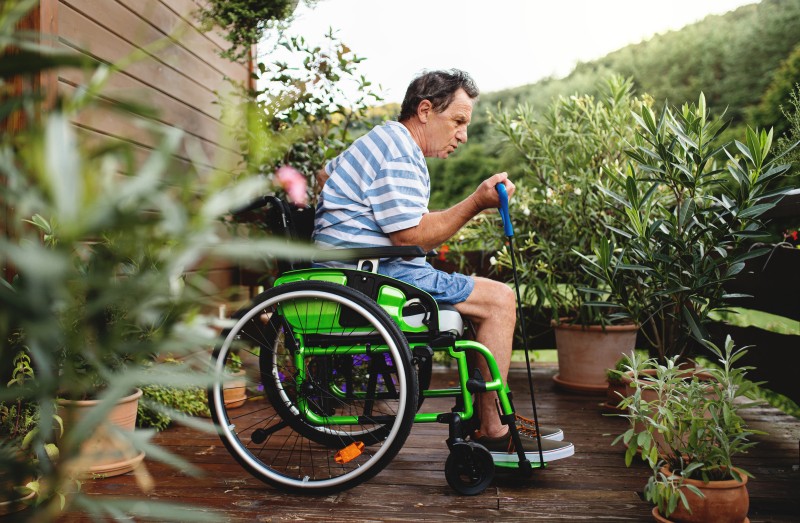
Walking aids such as canes or walkers can provide the support and stability seniors need. These aids minimize the risk of falling and help seniors to walk longer distances without fatigue.
Create a Safe Walking Environment
Ensure that the walking environment is safe and free from hazards. Remove tripping hazards and ensure that pathways are well-lit and even. A safe environment encourages more frequent and enjoyable walks.
Motivating Seniors to Walk More
Setting Realistic Goals
Setting achievable walking goals is vital. Start with short distances and gradually increase as the senior’s stamina improves. Celebrate small victories to keep motivation high.
Encourage Social Walking Groups
Joining or forming walking groups can be a great way for seniors to stay motivated. Social interactions during walks can make the experience more enjoyable and less like exercise.
Tracking Progress
Using pedometers or fitness trackers can help seniors track their progress and encourage them to walk more. Seeing tangible progress can be particularly satisfying and motivating.
Addressing Health Concerns
Managing Chronic Pain
Many seniors suffer from chronic pain which hinders their ability to walk. Techniques like pain management therapies and medication can help. Visit what causes anemia in elderly to manage joint pains effectively.
Improving Nutrition
Ensuring that seniors have a balanced and nutritious diet can improve overall energy levels and motivate them to stay active. Proper nourishment supports better physical health.
The Role of Physical Therapy
Structured Exercise Plans
Physical therapists can develop personalized exercise plans that focus on improving mobility. These can include strength training and balance exercises tailored to the senior’s abilities.
Regular Evaluation
Frequent assessments by a physical therapist can adapt the exercise regimen as the senior progresses. This ensures continuous improvement and safety.
Incorporating Technology
Technological Aids for Tracking
Several digital tools and applications can help seniors track their progress and stay motivated. Apps and smart devices can remind them to move and celebrate each milestone achieved.
Virtual Walking Programs
Virtual reality can offer seniors the experience of different walking environments. This can motivate them to walk more and enjoy the experience in a new way.
Community Support and Resources
Communities often offer programs and resources specifically aimed at helping seniors stay active. Checking with local senior centers or community clubs can uncover valuable opportunities for exercise and support. For more tips, explore this external resource.
Conclusion
Regaining the ability to walk is crucial for seniors, impacting their physical health, independence, and quality of life. Understanding how to get elderly walking again involves a multi-faceted approach, including medical consultation, safe exercise practices, motivation, and community support. With these strategies, seniors can not only walk again but thrive in their golden years.
FAQs
What is the first step to get elderly walking again?
The first step should be consulting with a healthcare provider to assess health status and receive tailored exercise advice.
Are there any specific exercises beneficial for seniors?
Yes, low-impact exercises like light yoga, Tai chi, and small walks are beneficial in building strength and balance.
How can technology assist seniors in walking more?
Technology such as fitness trackers and virtual walking apps can help seniors track progress and stay motivated.
This article contains affiliate links. We may earn a commission at no extra cost to you.