

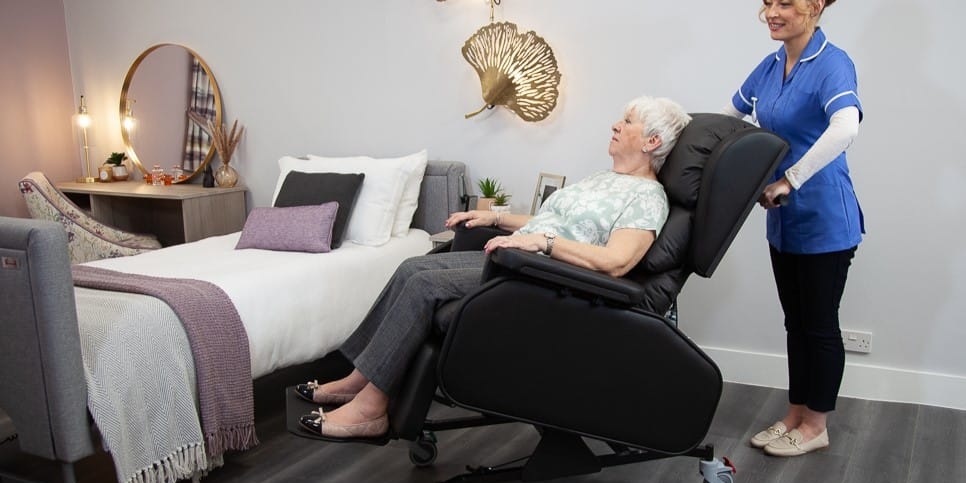
Selecting a recliner that fits an older adult comfortably is essential for both safety and daily well-being. A chair that’s too large or too small can cause discomfort, limit mobility, and even increase the risk of falls. That’s why understanding how to measure a senior for a recliner is a crucial first step before making a purchase.
This guide explains the key measurements you’ll need, how to take them accurately, and what features to consider for optimal support. Whether you’re shopping for yourself or a loved one, following these steps will help ensure a perfect fit and greater comfort.
For more insight into how proper chair design can support back health, see the importance of lumbar support in senior chairs.
Why Proper Recliner Sizing Matters for Seniors
The right recliner does more than provide a place to relax. It supports posture, eases pressure on joints, and can help maintain independence. An ill-fitting chair, on the other hand, may cause pain or make it difficult to stand up safely. For those with mobility challenges, a well-sized recliner can make daily routines much easier and more comfortable.
According to experts, measuring for a recliner is especially important for seniors who spend extended periods sitting. Proper fit can help prevent pressure sores, improve circulation, and reduce fatigue. For additional benefits, you can explore the benefits of recliners for seniors in detail.
Essential Measurements for the Perfect Fit
Before shopping, gather a tape measure and a notepad. The following measurements are key to ensuring the recliner suits the user’s body and needs:
- Seat Height: Measure from the floor to the back of the knee (popliteal height) while the person is wearing their usual footwear. The seat should allow the feet to rest flat on the floor without pressure under the thighs.
- Seat Depth: Measure from the back of the buttocks to the back of the knee. The ideal seat depth supports the thighs without pressing into the back of the knees.
- Seat Width: Measure the widest part of the hips or thighs while seated. Add about 1–2 inches for comfort and ease of movement.
- Back Height: Measure from the seat surface to the top of the shoulders or head, depending on the level of support needed.
- Armrest Height: Measure from the seat to the underside of the forearm when the arm is relaxed at the side. Proper armrest height helps reduce shoulder and neck strain.
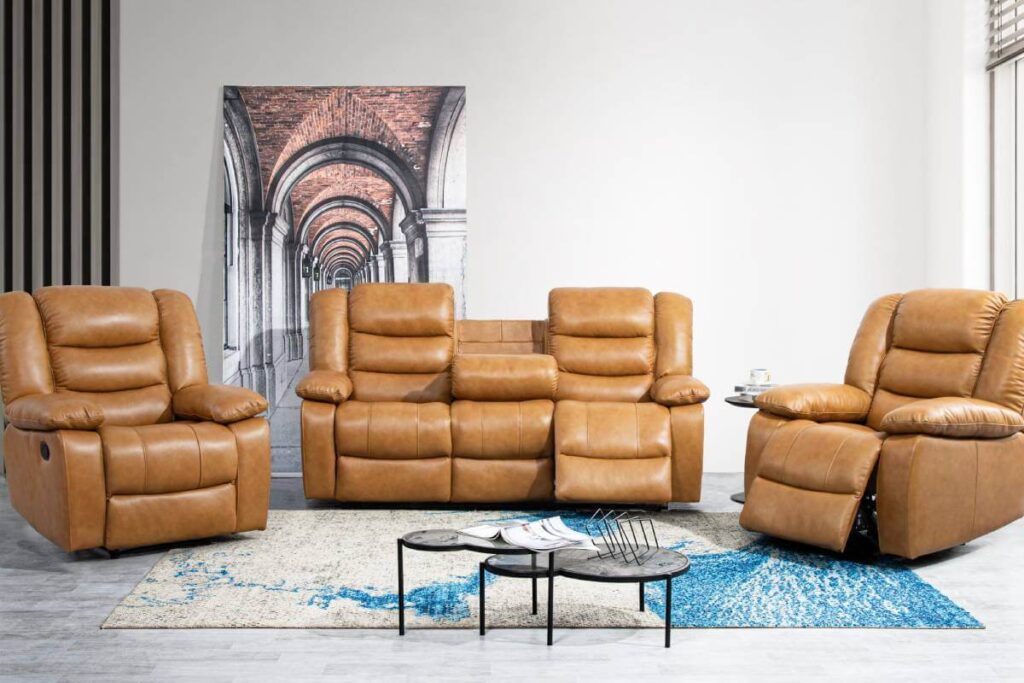
Step-by-Step Instructions for Measuring
- Seat Height: Have the senior sit upright with feet flat on the floor. Measure from the floor to the crease at the back of the knee. This ensures the seat is not too high (which can cut off circulation) or too low (which can make standing difficult).
- Seat Depth: With the person sitting back in the chair, measure from the back of the buttocks to the back of the knee. Subtract about 1–2 inches to avoid pressure at the knee.
- Seat Width: Measure the widest part of the hips or thighs while seated. Add a little extra space for comfort, but avoid excess width that could reduce support.
- Back Height: Measure from the seat to the top of the shoulders or head, depending on whether head support is needed.
- Armrest Height: Measure from the seat to the forearm when the arm is relaxed at the side. The armrest should support the arm without raising the shoulder.
Write down each measurement and bring them when shopping or ordering online. Many retailers provide sizing charts that can help match these numbers to the right model.
Key Features to Consider Beyond Size
While measurements are fundamental, other features can greatly enhance comfort and usability for seniors:
- Reclining Mechanism: Manual or power recliners offer different levels of ease. Power models are often easier for those with limited strength.
- Lift Function: Some chairs gently raise to help users stand up safely. Learn more about these options in our article on what is a lift chair recliner.
- Lumbar Support: Built-in lumbar support helps maintain healthy posture and can reduce back pain.
- Seat Cushioning: Look for high-density foam or memory foam that provides both comfort and support.
- Fabric and Cleaning: Choose easy-to-clean, durable fabrics, especially if incontinence or spills are a concern.
- Mobility Aids: Some recliners include side pockets, cup holders, or remote controls for added convenience.
For a broader look at the advantages of these chairs, the benefits of reclining chairs for the elderly are well-documented.

Tips for a Safe and Comfortable Recliner Experience
- Test Before Buying: If possible, have the senior try out the chair in person. Sit, recline, and stand up several times to ensure ease of use.
- Check for Sturdy Construction: The frame should feel solid, and the base should not wobble.
- Consider Future Needs: If mobility is likely to change, look for features such as lift assistance or adjustable positions.
- Review Return Policies: Make sure the retailer allows returns or exchanges in case the chair isn’t a good fit.
- Consult Healthcare Providers: Occupational therapists or physiotherapists can offer personalized advice based on specific health needs.
For more ways to improve daily routines for older adults, see our guide on elderly routine optimization.
Frequently Asked Questions
What is the most important measurement when choosing a recliner for an older adult?
The seat height is often the most critical, as it determines whether the user can sit and stand safely. However, seat depth and width are also essential for comfort and support.
How much extra space should be allowed in the seat width?
Add about 1–2 inches to the user’s hip or thigh measurement. This provides enough room for comfort without making the chair feel too loose or unsupportive.
Are power recliners better for seniors than manual ones?
Power recliners are generally easier to operate, especially for those with limited strength or arthritis. They allow for smooth transitions between positions with minimal effort.
Can a recliner help with back pain?
Yes, a well-fitted recliner with proper lumbar support can help alleviate back pain by promoting healthy posture and reducing pressure on the spine. Learn more about the importance of lumbar support in senior chairs.
Conclusion
Taking the time to measure carefully ensures a recliner will provide lasting comfort and safety for seniors. By following these steps and considering additional features, you can select a chair that truly meets the needs of its user. Remember to keep your notes handy when shopping, and don’t hesitate to consult with healthcare professionals for personalized recommendations.