

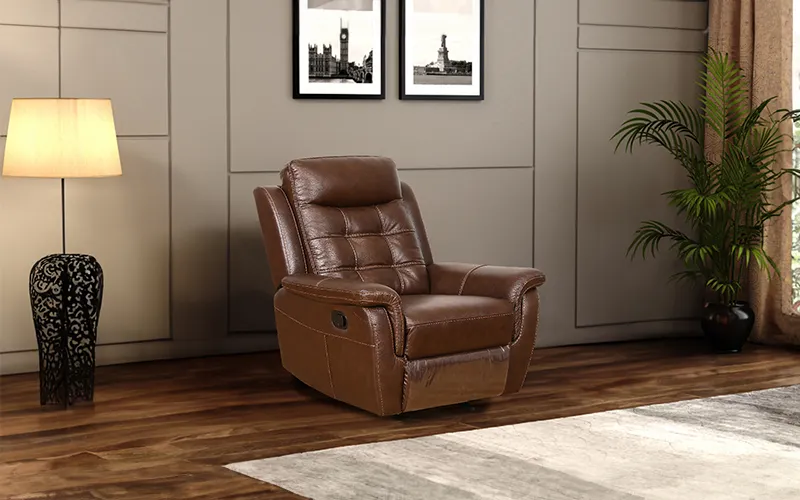
Recliner chairs offer comfort and support for older adults, but they can also present unique fall risks if not used or maintained properly. For seniors and caregivers, understanding how to prevent falls from recliner chairs is essential to maintaining safety and independence at home. This guide covers practical strategies, chair features to look for, and habits that reduce the risk of accidents, helping you create a safer living environment.
Along the way, you’ll find expert-backed advice, product recommendations, and links to related resources—such as this article on the importance of lumbar support in senior chairs—to help you make informed decisions about senior seating.
Understanding Fall Risks Associated With Recliners
Recliner chairs are designed for relaxation, but several factors can increase the likelihood of falls for older adults. Common risks include:
- Unstable chair placement on uneven or slippery floors
- Poor fit—chairs that are too high, too low, or lack proper support
- Improper use of reclining mechanisms or footrests
- Weakness or limited mobility when standing up or sitting down
- Clutter or obstacles around the chair
Recognizing these hazards is the first step in reducing the chance of falls. By addressing each risk with targeted solutions, you can make recliner use much safer for seniors.
Choosing the Right Recliner for Senior Safety
Selecting a chair with senior-friendly features is crucial. When shopping, consider the following:
- Sturdy construction—Look for a wide base and non-slip feet to prevent tipping.
- Easy-to-use controls—Manual or powered mechanisms should be simple and within reach.
- Supportive armrests—These help users push off safely when standing.
- Lift-assist functionality—Lift chairs gently raise users to a standing position, reducing strain and fall risk. Learn more about what is a lift chair recliner and how it can benefit seniors.
- Appropriate seat height—Feet should rest flat on the floor when seated, with knees at a 90-degree angle.
For a deeper dive into the benefits of recliners for seniors, including comfort and mobility advantages, explore our related resource.
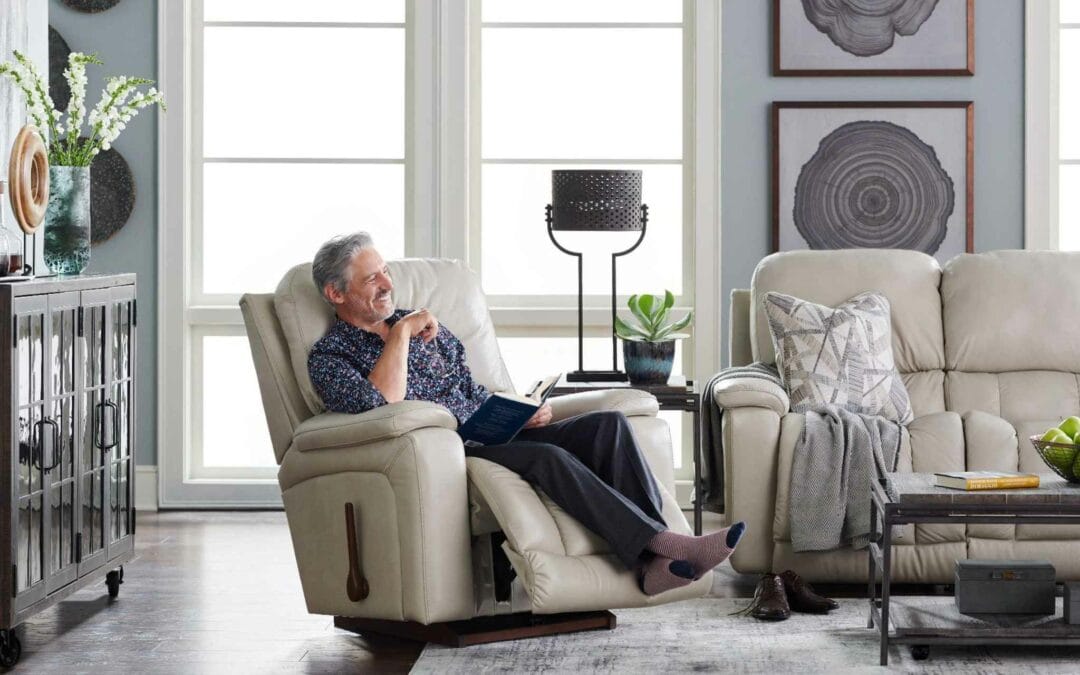
Safe Recliner Placement and Home Setup
Where and how you position a recliner can make a significant difference in fall prevention. Follow these tips for a safer environment:
- Place the chair on a flat, non-slippery surface. Use a non-slip rug pad if needed.
- Keep the area around the recliner clear of cords, rugs, and clutter.
- Ensure adequate lighting, especially for nighttime use.
- Position the chair away from doorways and high-traffic areas to prevent accidental bumps.
- Allow enough space for the footrest to extend fully without hitting objects.
Regularly check the chair’s stability and the condition of the floor beneath it. Even small changes in the environment can increase the risk of tripping or slipping.
Best Practices for Using Recliners Safely
Adopting safe habits when using a recliner is just as important as choosing the right model. Here are some essential guidelines:
- Stand up slowly—Pause after reclining to avoid dizziness before rising.
- Use both armrests for support when sitting down or getting up.
- Keep controls within reach to avoid overreaching or twisting.
- Lock the chair in position before standing, if your model allows.
- Wear supportive footwear to reduce slipping when moving to and from the chair.
- Ask for help if you feel unsteady or weak.
For those interested in additional comfort and support, see our guide on the benefits of riser recliners for seniors and mobility.

Maintaining Recliner Chairs to Reduce Fall Risk
Regular maintenance ensures your recliner remains safe and functional. Here’s what to check:
- Inspect moving parts—Look for loose screws, worn mechanisms, or faulty levers.
- Clean upholstery and surfaces to prevent slips. For microfiber models, see our step-by-step guide on how to clean microfiber recliner chairs.
- Test stability—Wobbling or uneven legs can signal a need for repair or replacement.
- Check for frayed cords or exposed wiring in powered chairs.
- Schedule professional servicing if you notice persistent issues.
Well-maintained chairs are less likely to malfunction, reducing the risk of sudden movements or instability that can cause falls.
Additional Tips for Senior Fall Prevention
Beyond the chair itself, consider these broader strategies for keeping older adults safe:
- Exercise regularly to improve strength and balance.
- Review medications with a healthcare provider to identify side effects like dizziness.
- Install grab bars or rails near seating areas for extra support.
- Schedule vision checks—clear eyesight helps avoid missteps.
- Educate caregivers and family members about safe transfer techniques.
For more on the advantages of specialized seating, see the benefits of lift chairs and recliners for seniors and people with disabilities.
Frequently Asked Questions
What features should I look for in a recliner to minimize fall risk?
Choose a chair with a wide, stable base, non-slip feet, supportive armrests, and easy-to-use controls. Lift-assist features and appropriate seat height also make a big difference in safety.
How can caregivers help seniors use recliners more safely?
Caregivers should ensure the chair is placed on a stable surface, keep the area free of obstacles, and assist with standing or sitting if needed. Encouraging slow, steady movements and regular maintenance also helps.
Are powered recliners safer than manual ones for seniors?
Powered recliners, especially those with lift-assist, can be safer for individuals with limited strength or mobility. They reduce the effort required to stand up and often have smoother, more controlled movements.
Conclusion
Preventing falls from recliner chairs involves a combination of choosing the right chair, maintaining it properly, setting up a safe environment, and adopting smart habits. By following these practical tips, seniors and their families can enjoy greater comfort and peace of mind at home.