

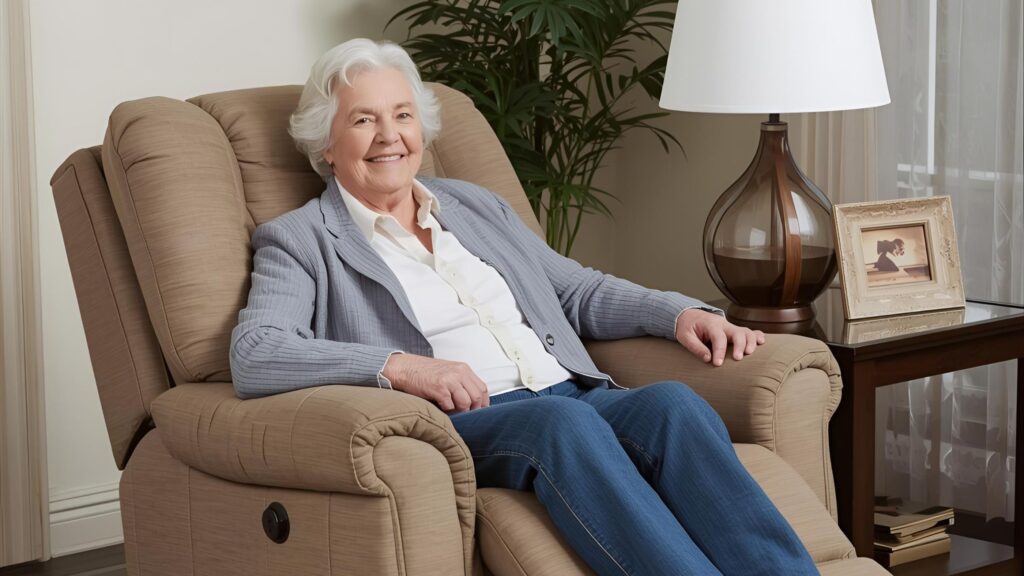
Choosing the right recliner for older adults involves more than just comfort and aesthetics. One of the most critical aspects is the importance of stable bases in senior recliners. A well-designed, sturdy base is essential for minimizing the risk of tipping, sliding, or instability, which can lead to dangerous falls or injuries. As mobility and balance naturally decrease with age, the foundation of a recliner becomes a key safety feature that should never be overlooked.
Many families and caregivers focus on features like lift mechanisms, plush cushioning, or easy-to-use controls. However, the base of the chair is what ultimately determines whether these features can be used safely and confidently. Understanding the role of stability in recliner design helps ensure that seniors can enjoy independence and relaxation without unnecessary hazards.
For those also interested in enhancing safety and accessibility in other areas, exploring phones with emergency SOS button can provide additional peace of mind for seniors and their families.
Why Stability Matters in Recliner Design
The foundation of any recliner directly impacts its safety, especially for older adults. A stable base prevents the chair from wobbling, sliding, or tipping over during use. This is particularly important when seniors are getting in or out of the chair, shifting positions, or using powered lift features. Even a minor imbalance can cause a recliner to become a fall hazard.
Stability is influenced by several factors:
- Base width and footprint: A wider base distributes weight more evenly and resists tipping.
- Material strength: High-quality metals or reinforced woods provide better support and longevity.
- Non-slip feet: Rubberized or textured feet help keep the chair securely in place on various floor types.
- Weight capacity: A stable chair is rated for the user’s weight and any additional pressure from movement.
When these elements are prioritized, the risk of accidents is greatly reduced, making the recliner a safer option for daily use.
Common Hazards of Unstable Recliners
Overlooking the importance of stable bases in senior recliners can have serious consequences. Some of the most common hazards include:
- Tipping: Chairs with narrow or poorly balanced bases can tip forward or sideways, especially when a user leans or pushes off to stand.
- Sliding: On smooth surfaces, recliners without non-slip feet may slide unexpectedly, causing loss of balance.
- Structural failure: Weak or poorly constructed bases may crack or collapse over time, posing a sudden danger.
- Difficulty with transfers: An unstable chair makes it harder for seniors to safely transfer in and out, increasing the risk of falls.
These risks highlight why it’s essential to select recliners that are specifically engineered for stability, especially for those with limited mobility or balance challenges.
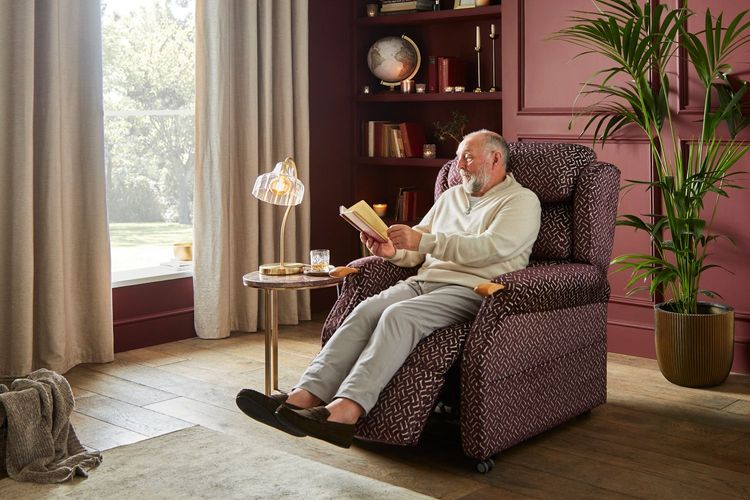
Key Features That Enhance Recliner Stability
When evaluating recliners for older adults, several features help ensure a secure and steady base:
- Wide stance: A broad, rectangular or square base provides a lower center of gravity and greater resistance to tipping.
- Heavy-duty construction: Chairs made from steel frames or reinforced hardwood are less likely to flex or break under pressure.
- Anti-tip mechanisms: Some models include built-in stabilizers or anti-tip bars for added security.
- Non-skid pads: Feet with rubber or silicone grips prevent unwanted movement on tile, wood, or laminate floors.
- Locking casters (if present): For recliners with wheels, locking mechanisms keep the chair stationary during use.
Manufacturers who prioritize these features demonstrate a commitment to user safety and long-term reliability.
How to Assess Recliner Stability Before Buying
Evaluating stability doesn’t require technical expertise. Here are practical steps to assess whether a recliner is safe for senior use:
- Check the base width: Measure the footprint and compare it to the seat size. A wider base is generally more stable.
- Test for wobble: Gently rock the chair side to side and front to back. There should be minimal movement.
- Inspect the feet: Look for non-slip pads or textured surfaces on all contact points with the floor.
- Review weight ratings: Ensure the chair is rated for the user’s weight, with a margin for safety.
- Read reviews: User feedback often highlights stability issues or praises well-designed bases.
Whenever possible, test the chair in person. If shopping online, look for detailed product descriptions and images that show the base construction.

Benefits of Stable Recliners for Older Adults
Investing in a recliner with a secure base offers several advantages for seniors and caregivers alike:
- Reduced fall risk: A steady chair minimizes the chance of accidents during sitting, standing, or reclining.
- Greater independence: Seniors can use the recliner confidently without constant supervision.
- Enhanced comfort: Knowing the chair won’t move unexpectedly allows users to relax fully.
- Long-term durability: Stable bases are less likely to wear out or break, providing years of reliable service.
- Peace of mind for families: Caregivers and loved ones can trust that the chair supports safety at home.
For those considering other technology to support safety and ease of use, guides on easy to use smartphones for seniors can be helpful resources.
What to Look for When Shopping for Senior Recliners
When searching for the right recliner, keep these tips in mind to prioritize stability and safety:
- Choose models with a proven track record for safety and positive user reviews.
- Ask about the materials used in the base and frame.
- Look for certifications or endorsements from healthcare professionals or senior organizations.
- Consider the flooring in your home—some bases work better on carpet, while others are ideal for hard surfaces.
- Test the recliner’s movement and stability before committing to a purchase, if possible.
For more insights into how recliners can benefit older adults in care settings, see this article on recliner benefits for care home residents.
Frequently Asked Questions
How can I tell if a recliner is stable enough for my elderly parent?
Look for a wide, sturdy base, high-quality construction, and non-slip feet. Test the chair for wobble and check user reviews for mentions of stability. If possible, have your parent try the chair before buying.
Are powered lift recliners safe for seniors with mobility issues?
Yes, as long as the chair has a stable base and is rated for the user’s weight. Powered lift features can assist with standing and sitting, but stability remains the top priority for safety.
What should I do if my current recliner feels unstable?
Stop using the chair immediately and inspect the base for damage or wear. Consider adding non-slip pads or replacing the recliner with a model designed for enhanced stability and senior use.