


As the population ages, families and caregivers are increasingly seeking personalized senior monitoring solutions that address the unique needs of older adults. These tailored technologies help seniors live independently while providing peace of mind to loved ones. From smart sensors to wearable devices, the landscape of senior safety has evolved rapidly, offering more options than ever before to match individual lifestyles and health requirements.
Understanding how these adaptive systems work—and how they can be customized—empowers families to make informed choices. Whether you’re exploring options for a loved one or planning for your own future, this guide covers the essentials of modern monitoring, including the benefits, features, and how to select the right approach for every situation.
For those interested in how data from these systems can improve well-being, the article on senior health insights from monitoring data provides valuable context on turning information into actionable care.
Why Customization Matters in Senior Monitoring
No two seniors have the same needs, routines, or health profiles. Off-the-shelf solutions often fall short when it comes to supporting independence and safety. Personalized monitoring systems are designed to adapt to the individual, taking into account mobility, cognitive health, medication schedules, and even personal preferences. This approach not only enhances safety but also respects dignity and autonomy.
- Mobility tracking can be adjusted for those with limited movement or fall risks.
- Medication reminders can be set for specific times and dosages.
- Environmental sensors can monitor for hazards like smoke, gas, or open doors.
- Wearable devices may track heart rate, sleep, or location, depending on health needs.
By tailoring these features, families can ensure that seniors receive the right level of oversight without unnecessary intrusion.
Key Features of Adaptive Senior Safety Systems
Modern senior monitoring solutions offer a range of features that can be mixed and matched. The most effective systems allow users to select only those functions that are relevant, reducing complexity and cost.
- Real-time alerts for falls, wandering, or unusual activity patterns.
- Remote access for caregivers to check in via smartphone or computer.
- Customizable zones within the home to monitor specific areas, such as bathrooms or exits.
- Integration with smart home devices for automated lighting, temperature control, or emergency response.
For a deeper look at how these technologies are shaping the future of independent living, see this comprehensive overview of smart technology and home devices for older adults.
How Personalized Monitoring Enhances Daily Life
Beyond basic safety, customized monitoring can improve quality of life for seniors and their families. By automating routine tasks and providing timely reminders, these systems reduce stress and promote confidence. Seniors can maintain their routines with minimal disruption, while caregivers receive only the notifications that matter most.
For example, a motion sensor in the hallway can alert a caregiver if a loved one is up at night, while ignoring normal daytime activity. Medication dispensers can remind users only when a dose is due, avoiding unnecessary alarms. This targeted approach minimizes frustration and helps build trust in the technology.
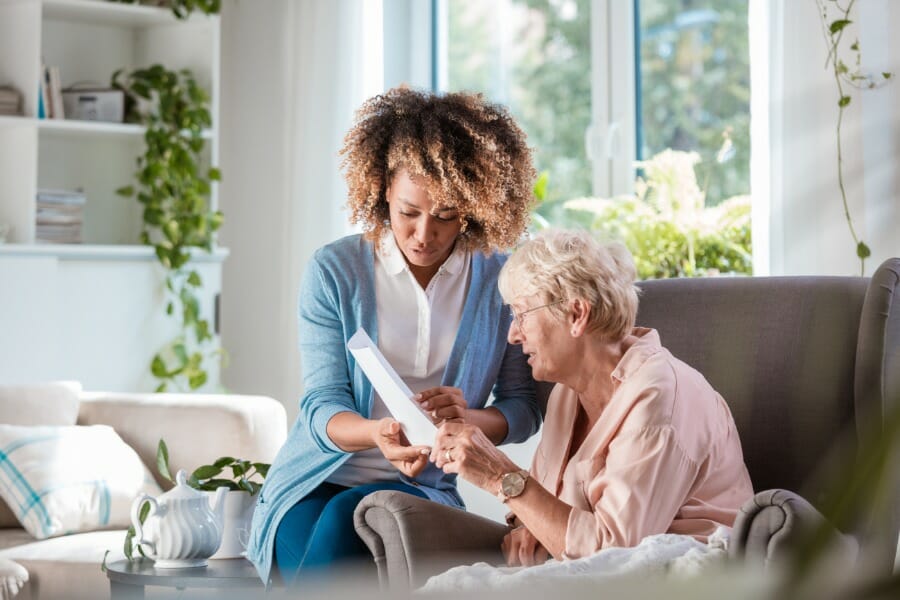
Choosing the Right Solution for Your Family
Selecting the best monitoring system starts with an honest assessment of needs and preferences. Consider the following steps:
- Identify specific risks (falls, wandering, medication errors, etc.).
- Discuss privacy and autonomy concerns with the senior involved.
- Evaluate which features are essential and which are optional.
- Test devices for ease of use and reliability.
- Plan for future changes in health or living arrangements.
It’s also helpful to consult with healthcare professionals or technology specialists who understand the unique challenges faced by older adults. For those interested in broader home automation, the guide to future smart homes for seniors explores how integrated systems can further enhance safety and comfort.
Integrating Monitoring with Everyday Technology
Today’s personalized senior monitoring solutions often work seamlessly with other smart devices. For example, motion sensors can trigger lights to turn on at night, or voice assistants can provide medication reminders. This integration not only streamlines daily routines but also ensures that safety features are unobtrusive and easy to manage.
Many systems are now designed to be compatible with smartphones and tablets, allowing family members to receive updates wherever they are. This flexibility is especially valuable for those who provide care from a distance, ensuring that help is always within reach.

Balancing Safety and Independence
One of the greatest benefits of customized monitoring is the ability to support independence while minimizing risks. Seniors can continue to enjoy their routines and privacy, knowing that help is available if needed. At the same time, families and caregivers gain reassurance that they will be notified promptly in case of emergencies or changes in behavior.
For those exploring additional gadgets and supports, the article on smart assistance for elderly independence highlights helpful tools that complement monitoring systems and further empower seniors to live life on their own terms.
Looking Ahead: The Future of Tailored Senior Safety
As technology continues to advance, personalized senior monitoring solutions will become even more adaptable and user-friendly. Artificial intelligence, predictive analytics, and seamless integration with healthcare providers are on the horizon, promising even greater support for aging in place.
Staying informed about these developments is key. For a look at what’s next in this field, check out the article on next generation elder care technology for insights into upcoming breakthroughs and trends.
Frequently Asked Questions
What are the main benefits of using tailored monitoring for seniors?
Custom-fit monitoring systems provide safety while respecting privacy and independence. They can be adjusted to match individual health needs, routines, and preferences, reducing unnecessary alerts and focusing on what matters most for each person.
How do I choose the right features for my loved one?
Start by assessing specific risks and discussing preferences with the senior. Consider mobility, cognitive health, medication needs, and daily routines. Select features that address these priorities, and test devices to ensure they are easy to use and reliable.
Can these systems be integrated with other smart home devices?
Yes, many modern monitoring solutions work with smart lights, voice assistants, and other home automation tools. This integration can enhance both safety and convenience, making it easier for seniors to manage their environment and for caregivers to stay connected.