

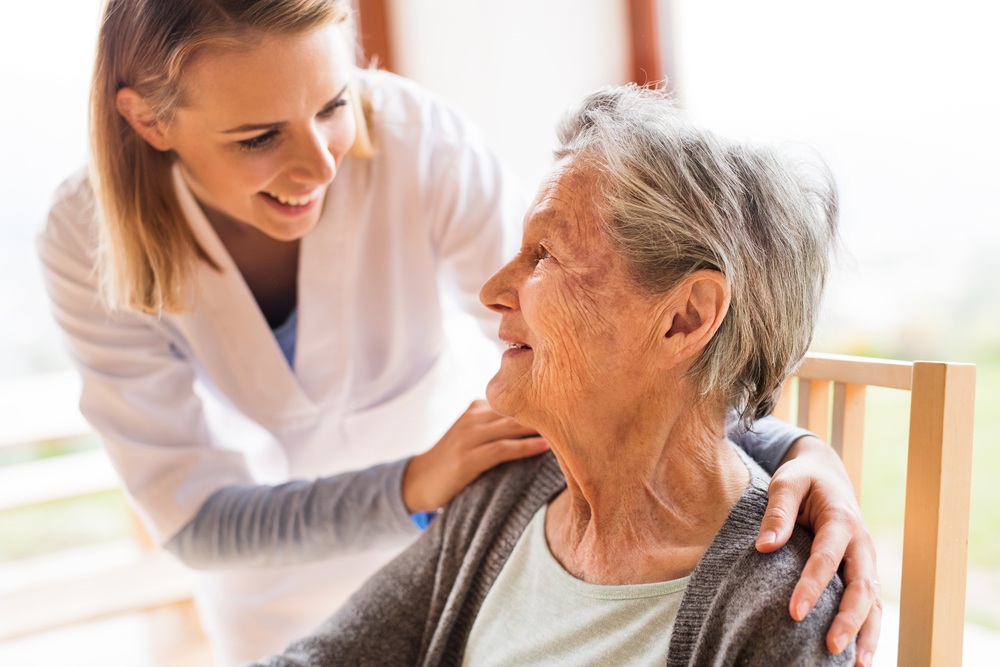
Ensuring the safety and well-being of older adults is a top priority for families, caregivers, and healthcare professionals. As people age, the risk of accidents, injuries, and health complications increases. Using risk assessment tools for elderly care helps identify potential hazards and supports proactive measures to prevent harm. These tools range from simple checklists to advanced monitoring systems, each designed to address the unique needs of seniors in various living environments.
With the growing interest in smart home technologies and personalized care, understanding how to select and implement effective assessment methods is essential. This article explores the most reliable solutions, how they work, and why they matter for anyone involved in senior care.
For those interested in leveraging technology to support older adults, exploring future smart homes for seniors can provide additional insights into how automation and monitoring systems enhance safety and independence.
Understanding the Importance of Risk Assessment in Senior Living
Older adults face a variety of risks, from falls and medication errors to wandering and environmental hazards. Conducting regular assessments helps caregivers and families:
- Identify physical and environmental dangers
- Monitor changes in health or mobility
- Develop personalized care plans
- Reduce emergency incidents
- Promote independence while maintaining safety
By using structured evaluation methods, it becomes easier to spot issues before they lead to accidents or hospitalizations. This proactive approach not only improves quality of life but also reduces stress for both seniors and their support networks.
Types of Risk Assessment Tools for Elderly Care
There are several categories of tools designed to evaluate and manage risks in senior care settings. Each serves a specific purpose and can be used alone or in combination for a comprehensive safety strategy.
1. Physical Environment Checklists
These are straightforward forms or digital lists that guide caregivers through a room-by-room inspection of a senior’s living space. They typically cover:
- Trip hazards (loose rugs, cords, clutter)
- Lighting adequacy
- Bathroom safety (grab bars, non-slip mats)
- Smoke and carbon monoxide detectors
- Accessibility of emergency exits
Regular use of these checklists ensures that the home remains safe as needs change or new risks emerge.
2. Health and Mobility Assessment Tools
These tools evaluate a senior’s physical and cognitive abilities, helping to determine their risk for falls, wandering, or other health-related incidents. Common examples include:
- Timed Up and Go (TUG) test for mobility
- Fall risk scales (e.g., Morse Fall Scale, Berg Balance Scale)
- Cognitive screening tools
- Medication management reviews
Results from these assessments inform care decisions and may prompt interventions such as physical therapy, medication adjustments, or additional supervision.
3. Technology-Driven Monitoring Solutions
Modern advancements have introduced a range of digital and smart devices that support ongoing risk detection. These include:
- Wearable fall detectors
- Bed and chair alarms
- Wireless motion sensors
- Remote health monitoring platforms
Such technologies can alert caregivers instantly if a senior leaves their bed at night, enters a restricted area, or experiences a sudden drop in activity. For a deeper look at how data from these devices can inform care, see senior health insights from monitoring data.
How to Choose the Right Assessment Tools for Seniors
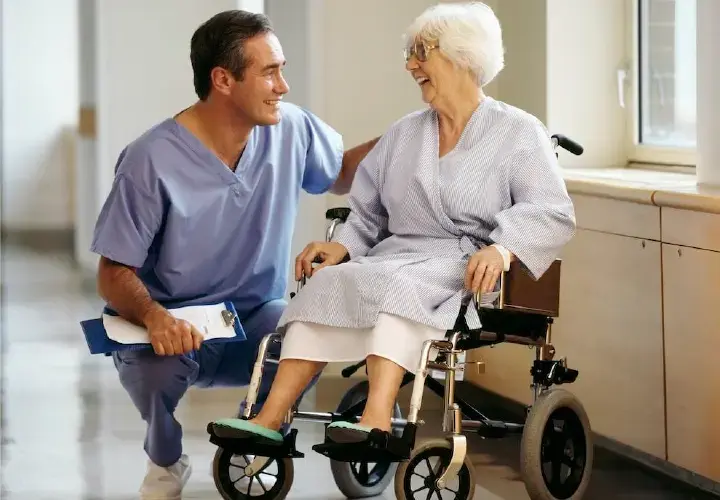
Selecting the best approach depends on several factors, including the senior’s health status, living environment, and available support. Here are some tips for making the right choice:
- Assess Individual Needs: Consider mobility, cognitive function, and medical history.
- Evaluate the Home Environment: Identify potential hazards unique to the living space.
- Balance Technology and Simplicity: While smart devices offer advanced monitoring, simple checklists remain valuable for routine checks.
- Involve Professionals: Consult with occupational therapists, nurses, or geriatric care managers for expert recommendations.
- Review and Update Regularly: Needs can change quickly, so reassess risk factors periodically.
Combining traditional assessments with modern technology creates a robust safety net that adapts as circumstances evolve.
Benefits of Using Risk Assessment Tools in Elderly Care
Implementing structured evaluation methods offers several advantages:
- Early Hazard Detection: Spotting risks before they become emergencies reduces the likelihood of injury.
- Personalized Care Planning: Tailored interventions can be developed based on specific findings.
- Peace of Mind: Families and caregivers gain confidence knowing proactive steps are in place.
- Regulatory Compliance: Many care facilities are required to document regular safety assessments.
- Enhanced Independence: Seniors can remain in their homes longer with the right supports.
For those interested in how technology is shaping the future of senior living, the article on next generation elder care technology provides a comprehensive overview of current and emerging solutions.
Integrating Smart Technologies for Enhanced Safety
Smart home devices and digital monitoring platforms are transforming how risks are managed in senior care. These systems can automatically detect unusual activity, send alerts to caregivers, and even connect with emergency services if needed. According to a scoping review of SMART technologies in older adult care, these innovations are proving effective in reducing accidents and supporting independent living.
Some examples of smart solutions include:
- Motion-activated lighting to prevent nighttime falls
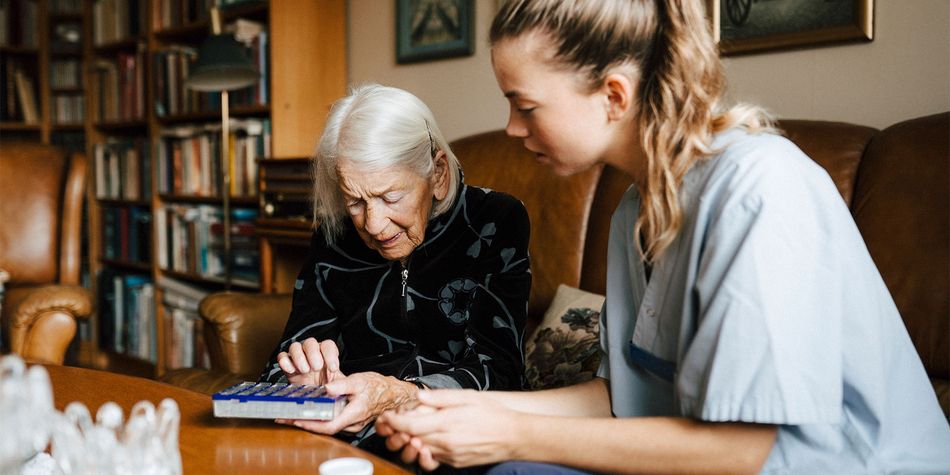
- Remote medication dispensers with reminders
- Door and window sensors for wandering prevention
- Wearable health trackers with emergency call features
For more on how these devices support daily living, see the guide to smart assistance for elderly independence.
Best Practices for Implementing Risk Assessment Strategies
To maximize the effectiveness of any assessment approach, consider the following best practices:
- Involve the Senior: Engage older adults in the process to respect their preferences and encourage cooperation.
- Train Caregivers: Ensure all staff or family members understand how to use tools and interpret results.
- Document Findings: Keep clear records to track progress and inform healthcare providers.
- Review After Incidents: If an accident occurs, update assessments to prevent recurrence.
- Stay Informed: Keep up with new products and research to continually improve safety protocols.
Combining these practices with reliable tools creates a safer, more supportive environment for seniors.
Frequently Asked Questions
What are the most common risks for seniors living at home?
The most frequent hazards include falls, medication errors, fire or carbon monoxide exposure, wandering, and social isolation. Regular assessments help identify and address these issues early.
How often should risk assessments be conducted for elderly individuals?
It’s recommended to perform a full assessment at least every six months, or immediately after any significant health change or incident. More frequent checks may be needed for those with complex needs.
Are technology-based tools better than traditional checklists?
Both have their place. Digital devices offer real-time monitoring and alerts, while traditional checklists ensure thorough, hands-on inspections. The best approach often combines both methods for comprehensive coverage.
Conclusion
Using risk assessment tools for elderly care is essential for preventing hazards and supporting safe, independent living. By combining environmental checklists, health evaluations, and smart technology, caregivers can create a proactive safety plan tailored to each individual. Staying informed about new solutions and best practices ensures that seniors receive the highest standard of care in every setting.