

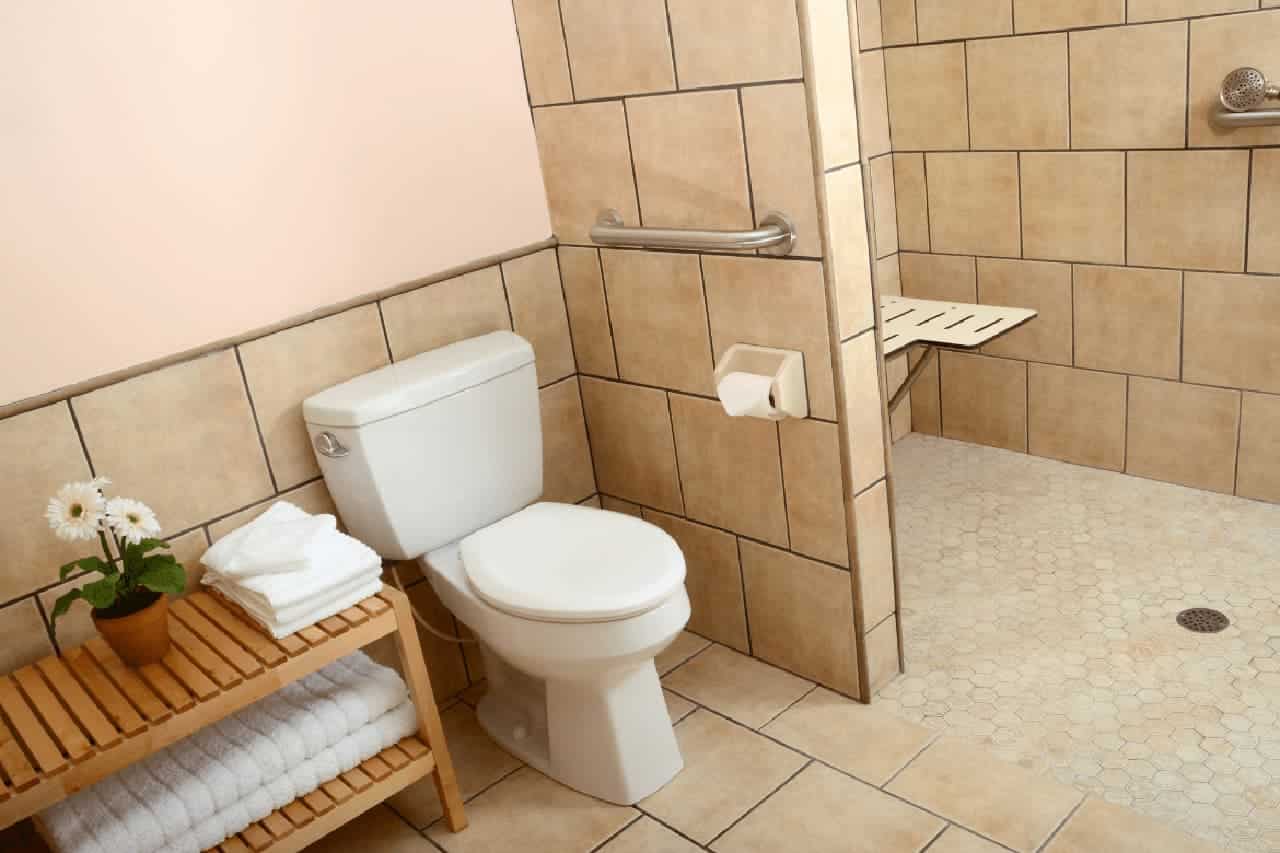
In recent years, the importance of safety mats for bathroom use has become increasingly recognized, especially among senior consumers. These essential tools are not just for aesthetics; they play a crucial role in preventing mishaps and ensuring the safety of our loved ones.
Bathrooms can be hazardous, especially for seniors. Slippery surfaces, sharp edges, and the necessity of standing for prolonged periods can lead to accidents. That’s where safety mats for bathroom use come into play. These mats can significantly reduce the risk of falls and provide much-needed stability.
Why Choose Safety Mats for Your Bathroom?
Bathrooms are known for being wet and slippery, making them one of the most dangerous places in the home. Safety mats are designed to provide traction and reduce the risk of slipping. They come with a textured surface that grips the feet and a non-slip backing that adheres to the floor, ensuring that they remain in place even when wet.
Preventing Accidents
The primary purpose of safety mats for bathroom use is to prevent accidents. According to the CDC, one out of every four seniors falls each year, making fall prevention a critical focus in senior care. By providing a stable surface, safety mats can significantly reduce the risk of falls and injuries.
Enhancing Bathroom Safety
In addition to preventing falls, safety mats can enhance overall bathroom safety. They can be placed in various locations, such as the shower, bathtub, or near the sink, to provide stability wherever it’s needed most.
Types of Safety Mats
There are several types of safety mats available, each designed to cater to different needs and preferences. Here are some of the most common types:
Non-Slip Bath Mats
These mats are designed for use inside the bathtub or shower. They typically feature suction cups on the bottom to hold them securely in place and a textured surface to prevent slipping.
Memory Foam Mats
Memory foam mats are ideal for areas outside the shower or bathtub. They provide a soft, cushioned surface that feels great underfoot and can absorb water effectively.
Rubber Mats
Rubber mats are one of the most popular choices for safety mats for bathroom use. They are durable, water-resistant, and offer excellent traction.
Choosing the Right Safety Mat
When selecting a safety mat, it’s essential to consider the specific needs of the user and the bathroom layout. Here are some factors to consider:
Size and Shape
Ensure the mat is the right size for the intended area. It should cover enough space to provide adequate protection without being too large, which could create a tripping hazard.
Material
Choose a material that suits the bathroom’s conditions. Rubber and PVC are excellent for wet areas, while memory foam is better suited for dry areas.
Ease of Cleaning
Opt for a mat that is easy to clean and maintain. Some mats are machine washable, while others require hand washing. Regular cleaning is essential to prevent mold and mildew buildup.
Installation and Maintenance
Installing a safety mat is usually straightforward, but it’s important to follow the manufacturer’s instructions to ensure proper placement. Regular maintenance, such as cleaning and checking for wear and tear, will help prolong the mat’s lifespan and ensure it continues to provide protection.
Proper Placement
Place mats in areas where water is likely to collect, such as in front of the bathtub or shower, near the sink, and around the toilet. This will help prevent slips and falls in high-risk areas.
Regular Cleaning
Clean the mats regularly to prevent the growth of mold and mildew. This is especially important for mats that are frequently exposed to moisture. Use a mild detergent and warm water for cleaning, and allow the mats to air dry completely before placing them back in the bathroom.
Integrating Other Bathroom Safety Aids
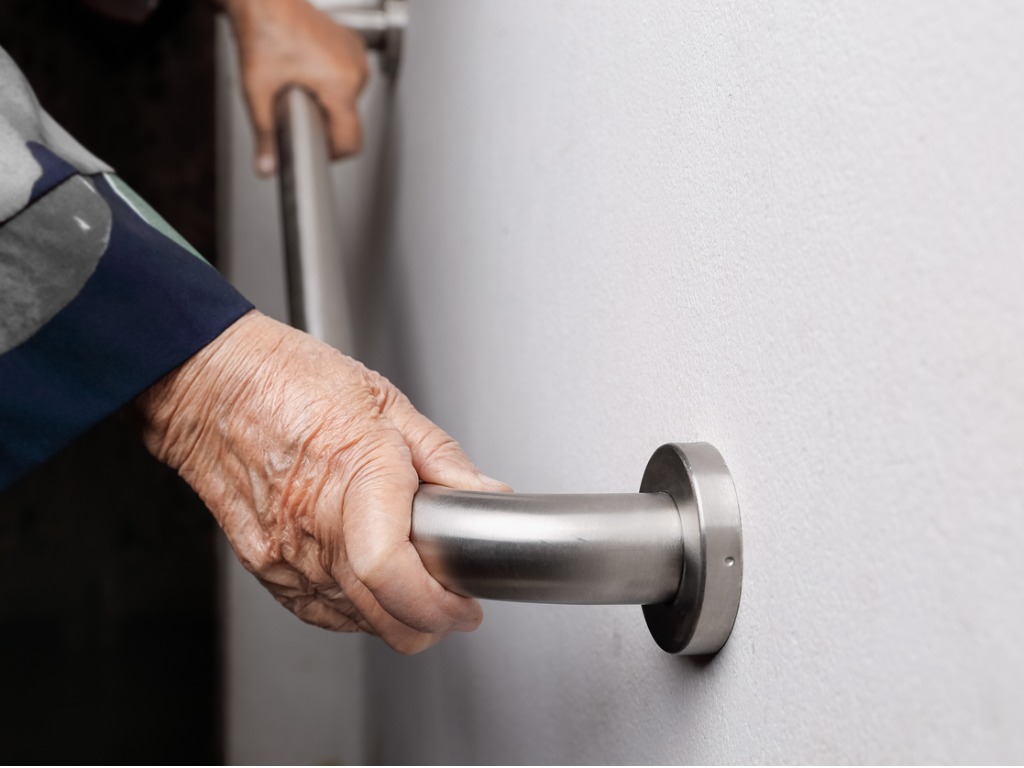
While safety mats for bathroom use are essential, they are most effective when used in conjunction with other safety aids. Consider installing wall-mounted bars for additional support and stability.
Another helpful addition is handheld showerheads, which allow for greater control and flexibility while bathing.
Consider using commodes for elderly to provide added stability and comfort.
Conclusion
In conclusion, safety mats for bathroom use are an invaluable addition to any home, particularly for seniors. They provide stability, reduce the risk of falls, and enhance overall bathroom safety. By selecting the right mat and integrating other safety aids, you can create a safe and comfortable environment for yourself and your loved ones.

FAQ
What are the best materials for safety mats?
Rubber and PVC are excellent materials for wet areas due to their durability and water resistance. Memory foam is suitable for dry areas, offering a soft, cushioned feel.
How often should safety mats be cleaned?
Safety mats should be cleaned regularly, at least once a week, to prevent the growth of mold and mildew. This ensures they remain hygienic and effective.
Where should safety mats be placed?
Safety mats should be placed in areas where water is likely to collect, such as in front of the bathtub or shower, near the sink, and around the toilet. This helps prevent slips and falls in high-risk areas.
This article contains affiliate links. We may earn a commission at no extra cost to you.